Ethiopia Completes 5-Year Plan to Protect Wildlife and Farms
After five years of bringing farmers, governments, and conservationists together, Ethiopia just completed a groundbreaking project that shows how to protect biodiversity while growing food. The results are now being adopted across the country's key wildlife landscapes.
Ethiopia just proved that protecting nature and feeding people don't have to be opposing goals.
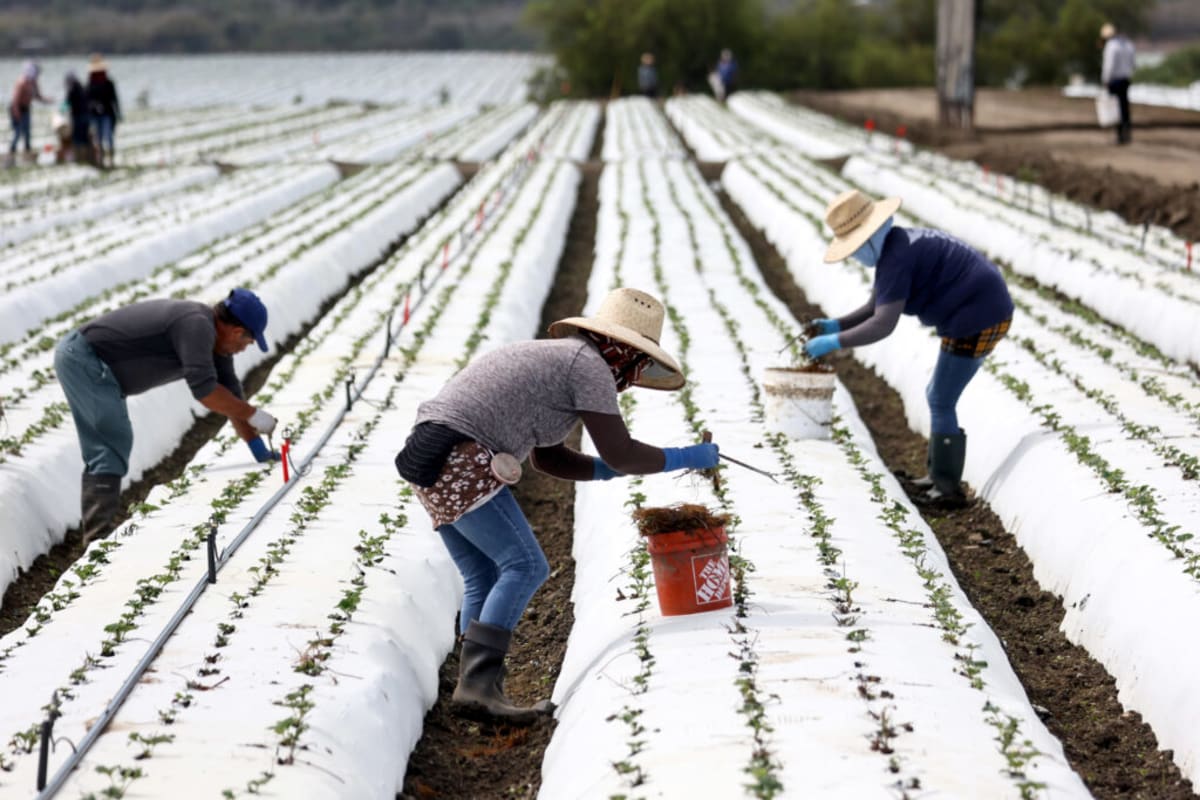
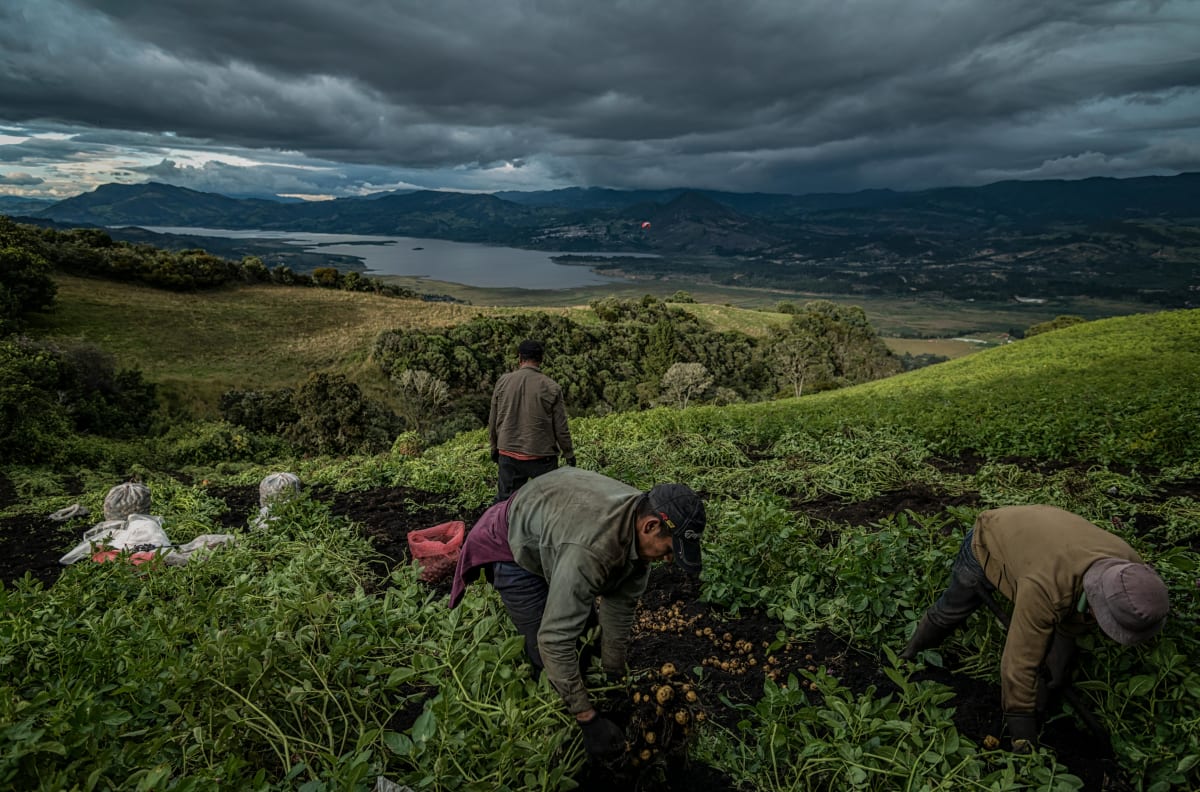
The country wrapped up BIODEV2030, a five-year initiative that successfully integrated biodiversity conservation into agriculture, livestock, and forestry sectors. The project brought together an unlikely coalition of government agencies, farmers, NGOs, and international partners to find practical solutions that work for both wildlife and rural communities.
The results speak for themselves. Teams created detailed threat assessments, reviewed existing policies, and built platforms where different groups could actually talk to each other about conservation challenges. They developed concrete plans for protecting the Bale and Kaffa landscapes, two critical ecosystems, while helping local farmers adopt production methods that don't harm wildlife.
Kumera Wakjira, who leads Ethiopia's Wildlife Conservation Authority, praised the project's inclusive approach. "It is now time for us to act and intensify biodiversity mainstreaming in our development planning," he told workshop participants gathered to mark the project's completion.
The timing couldn't be more urgent. Dr. Samson Shimelse from the Ethiopian Biodiversity Institute reminded everyone that biodiversity loss, climate change, and unsustainable land use continue threatening both Ethiopia and the planet. The solutions developed under BIODEV2030 offer a tested roadmap forward.
International partners are taking notice. France's development agency, which funded the initiative, called it "a new model worth adopting broadly" and signaled interest in supporting follow-up work. The Netherlands and European Union representatives praised the multistakeholder approach and want to replicate it in their own programs.
Germany's development agency proposed collaborating on rehabilitating natural resources in conflict-affected areas, including Awash National Park and Desa'a Forest. They also emphasized bringing private companies into future conservation efforts.
The Ripple Effect
What makes this story remarkable isn't just what Ethiopia accomplished, but how they did it. By insisting that farmers, herders, government officials, and conservationists work together from the start, BIODEV2030 created solutions people will actually use.
The project's tools, frameworks, and action plans have been officially handed over to Ethiopia's Ministry of Agriculture and key conservation agencies. That means the knowledge stays in the country, embedded in institutions that will keep using and improving these approaches for years to come.
Other nations watching Ethiopia's success now have a proven model for protecting nature without sacrificing economic development.
Ethiopia's five-year experiment shows the world that conservation works best when everyone has a seat at the table.
More Images
Based on reporting by Regional: ethiopia development (ET)
This story was written by BrightWire based on verified news reports.
Spread the positivity!
Share this good news with someone who needs it