Ethiopia Gets First Private Wind Farm With $110M Backing
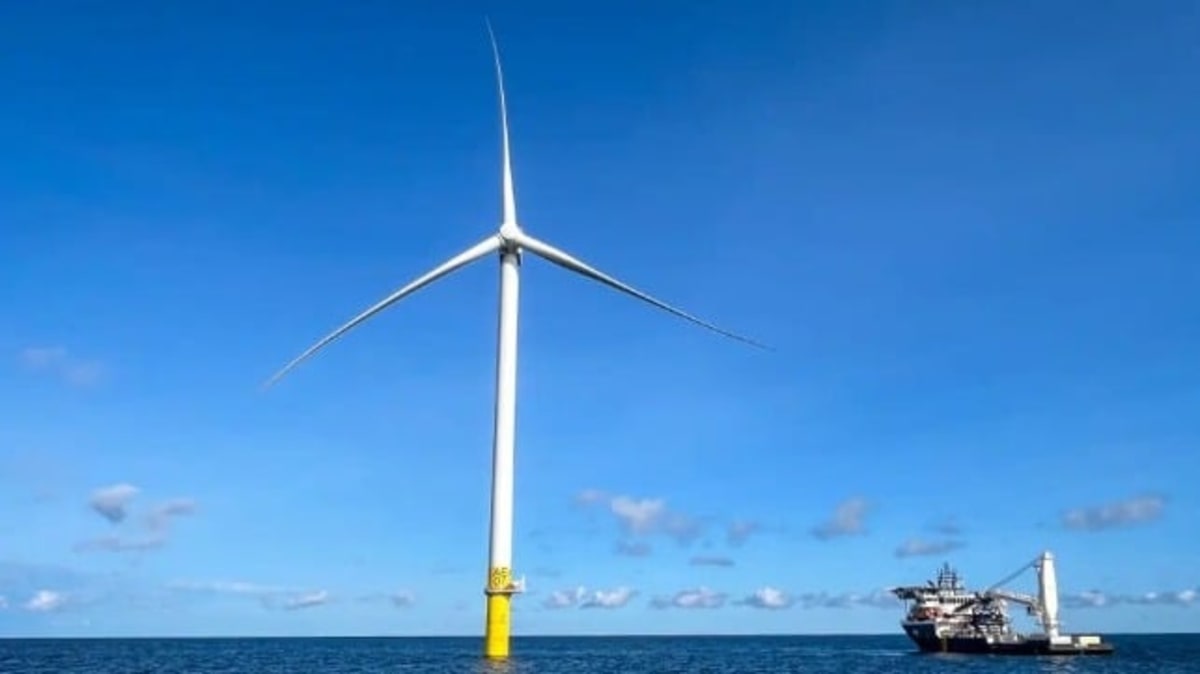
Ethiopia just secured $110 million from the African Development Bank for its first privately developed wind farm, marking a historic shift in how Africa's second-most populous nation powers its future. The 300-megawatt Aysha Wind Project breaks decades of state-only control and opens the door for more private investment in clean energy.
Ethiopia is betting big on wind power, and private investors are finally invited to the table.
The African Development Bank approved $110 million in financing for the Aysha Wind Project, Ethiopia's first privately built and operated wind farm. It's a milestone for a country that has relied almost entirely on government-funded power plants since independence.
UAE-based AMEA Power will develop, own, and operate the 300-megawatt wind farm under a 25-year agreement with Ethiopian Electric Power. Instead of building the facility itself, the government will simply buy the electricity, shifting construction risks and upfront costs to private hands.
The project's total price tag reaches $508 million, with the AfDB helping mobilize an additional $381 million from other development banks. It's one of the largest renewable energy financing packages ever assembled for Ethiopia.
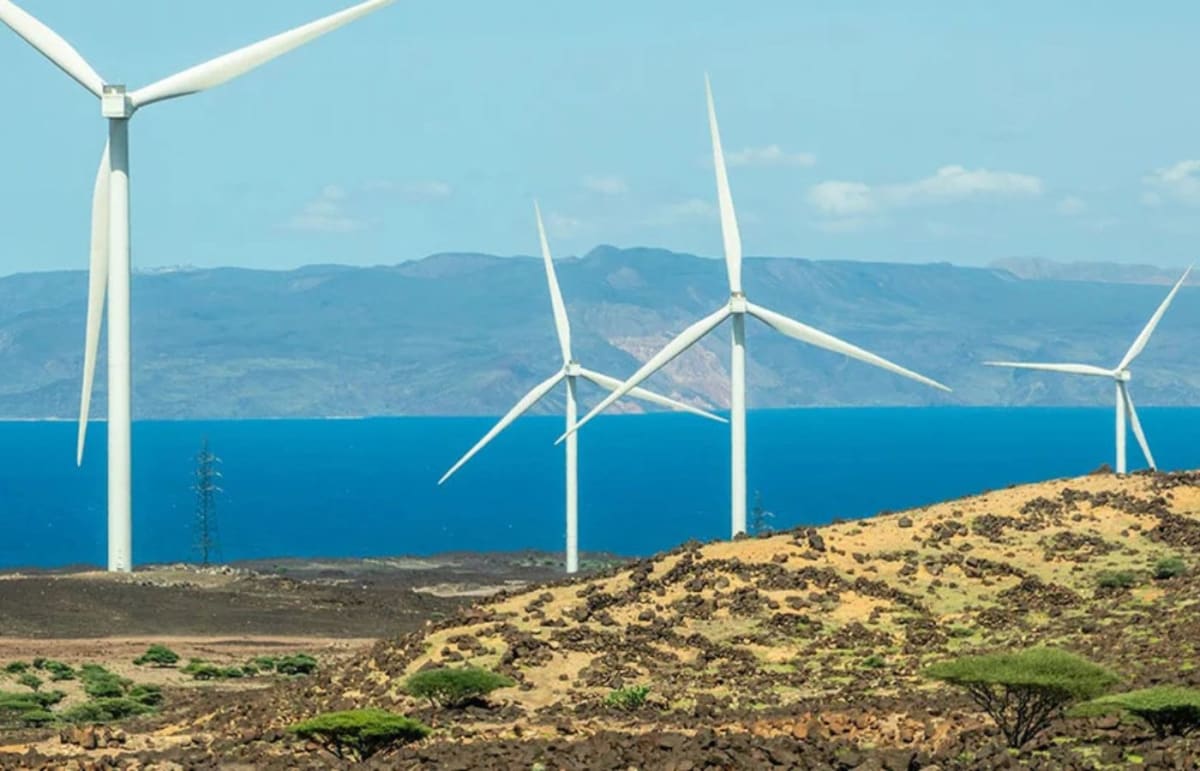
Location matters here. The project sits in Ethiopia's Somali Region near Aysha, where some of the country's strongest and most reliable winds blow year-round. Existing transmission infrastructure nearby means lower costs and faster connection to the national grid.
The timing couldn't be more critical. Ethiopia generates 96 percent of its electricity from hydropower, leaving the nation vulnerable when droughts strike. Climate change has made rainfall increasingly unpredictable, and the country's growing cities and industries need reliable power.
Once operational, Aysha will generate about 1,189 gigawatt hours annually, enough to meaningfully strengthen grid stability. The government hopes this kind of diversification will help achieve universal electricity access by 2030, a goal that currently seems out of reach.
The Ripple Effect
Beyond powering homes and businesses, Aysha represents something bigger: proof that Ethiopia's economic reforms can attract serious private capital into sectors the state once monopolized.
Construction alone will create 1,525 direct jobs, with another 35,000 jobs expected indirectly through supply chains and the broader economy. For a country where youth unemployment remains stubbornly high, those numbers matter.
The project will prevent approximately 1.39 million tonnes of carbon dioxide over 25 years, the equivalent of taking hundreds of thousands of cars off the road. But the real environmental win is the blueprint it creates for future clean energy projects across the Horn of Africa.
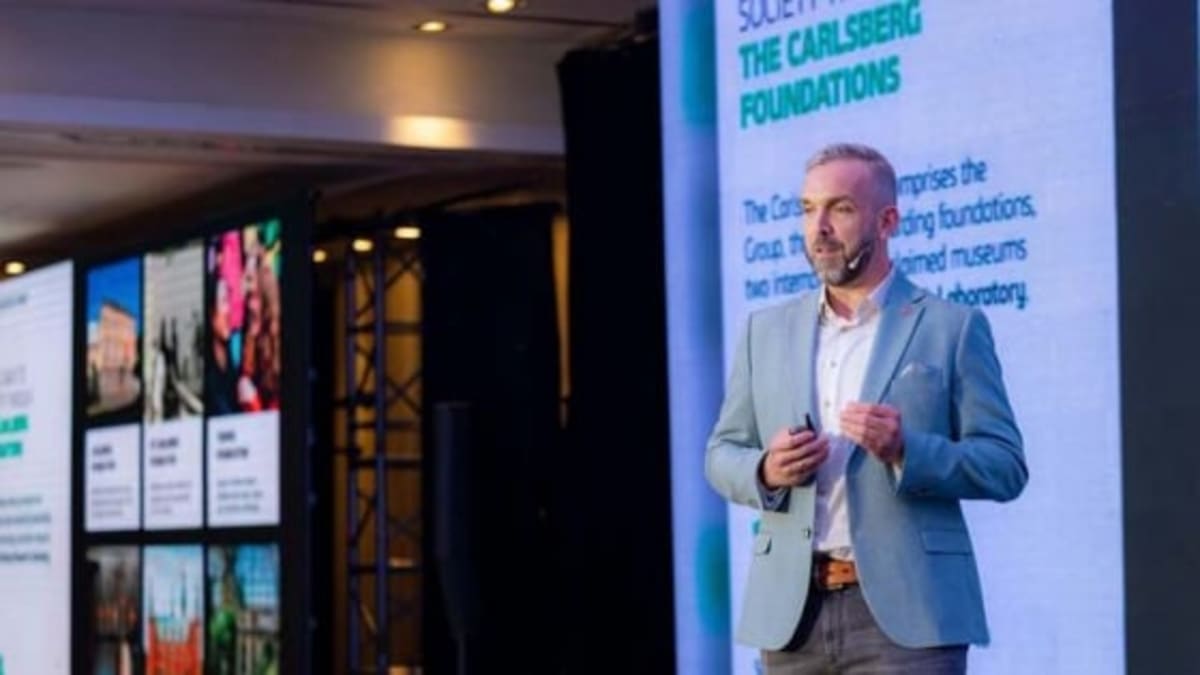
International financiers are watching closely. Wale Shonibare, the AfDB's Director for Energy Financial Solutions, called the financing package "a replicable template for future power sector investments." If Aysha succeeds, it could unlock billions more in private renewable energy investment across Ethiopia and neighboring countries.
AMEA Power secured the deal in December 2023 and signed agreements with the government in August 2024. The fast timeline from selection to financing shows how serious Ethiopia has become about transforming its energy sector through public-private partnerships.
Ethiopia is proving that big change doesn't require choosing between public good and private innovation.
Based on reporting by Regional: ethiopia development (ET)
This story was written by BrightWire based on verified news reports.
Spread the positivity!
Share this good news with someone who needs it