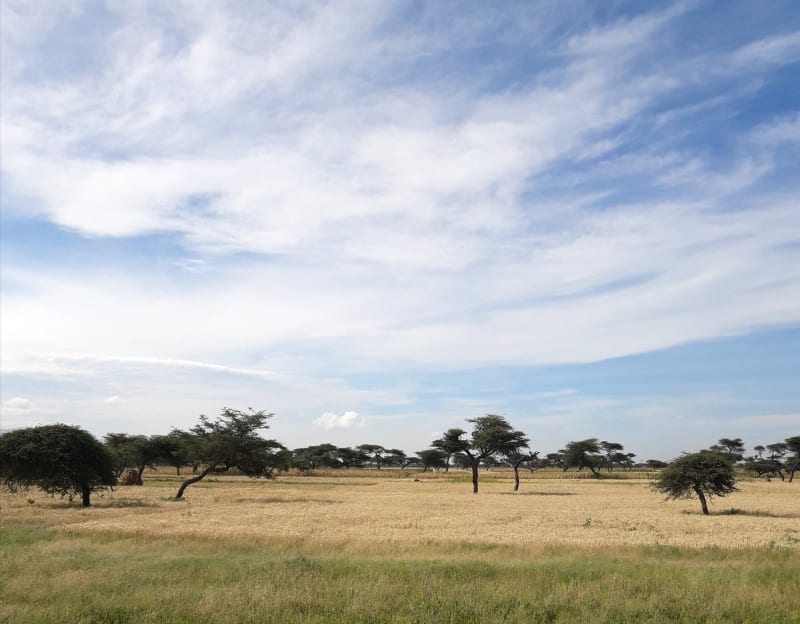
Ethiopia Launches 10-Year Plan to Scale Agroforestry
Ethiopia just turned years of planning into action with a new national strategy to expand tree-based farming across the country. The 10-year roadmap aims to fight land degradation and boost food security through coordinated agroforestry efforts.
Ethiopia has officially launched a nationwide plan to transform how farmers grow food, combining trees with crops in a way that could help millions while healing degraded land.
The National Agroforestry Development Strategy covers 2026 to 2035 and marks the country's shift from planning to doing. Launched in late December in Addis Ababa, the strategy brings together government agencies, researchers, and development partners under one coordinated framework.
The approach builds on something Ethiopians already know well. "Agroforestry is deeply rooted in Ethiopia's traditional farming systems and has long contributed to food security, livelihoods, and sustainable natural resource management," said Dr. Endalkachew Wolde-Meskel, a senior scientist who helped prepare the strategy.
But tradition alone won't solve today's mounting challenges. Land degradation, climate change, and a growing population mean Ethiopia needs a more systematic approach to scale up what works.
The country started developing this strategy back in 2019 under the Ministry of Agriculture's leadership. After years of stakeholder consultations and validation in early 2025, the framework is finally ready for implementation.
Dr. Chala Hordofa from the Ministry of Agriculture called the launch a turning point. "The task ahead of us is to ensure that agroforestry is mainstreamed into planning, budgeting, extension and investment systems at all levels," he said at the event.
The Ripple Effect
The strategy doesn't exist in isolation. Ethiopia has already created a National Watershed and Agroforestry Multistakeholder Platform that reaches from federal offices down to kebele, the country's smallest administrative units.
That structure means coordination can happen at every level of governance. In southwest Ethiopia's Oromia Region, a pilot project engaging rural youth in tree-based businesses has already shown what's possible when platforms work effectively.
Sustainable financing will be critical, including public resources, climate finance, and partnerships with development organizations and private companies. The World Bank, GIZ, and multiple international funders supported the strategy's development through projects led by organizations like the Center for International Forestry Research and World Agroforestry.
The strategy positions agroforestry as central to Ethiopia's goals for sustainable land management, climate resilience, and rural development. Success will require clear leadership, cross-sector coordination, and long-term commitment to monitoring and evaluation.
Ethiopia is betting that combining traditional knowledge with modern coordination can create lasting change for both people and landscapes.
More Images


Based on reporting by Regional: ethiopia development (ET)
This story was written by BrightWire based on verified news reports.
Spread the positivity!
Share this good news with someone who needs it