Ethiopia Leads Africa's Electric Vehicle Surge
Ethiopia banned gas car imports and now has over 115,000 electric vehicles on its roads, transforming how Africa thinks about clean transport. Fuel shortages and skyrocketing prices are pushing the continent toward a cleaner, cheaper future.
Ethiopia just became Africa's unlikely electric vehicle champion, and it's changing the game for an entire continent.
The country now has more than 115,000 electric vehicles cruising its streets, making up 8% of its national fleet. That's after Ethiopia took a bold step in 2024, becoming the first African nation to ban all new gas and diesel vehicle imports.
The timing couldn't be better. Ethiopia spends a staggering $4.2 billion annually on fuel imports, money that drains its reserves while shipments fall short by over 180,000 metric tons. The ongoing Iran conflict has disrupted critical shipping routes, leaving fuel pumps dry and prices soaring.
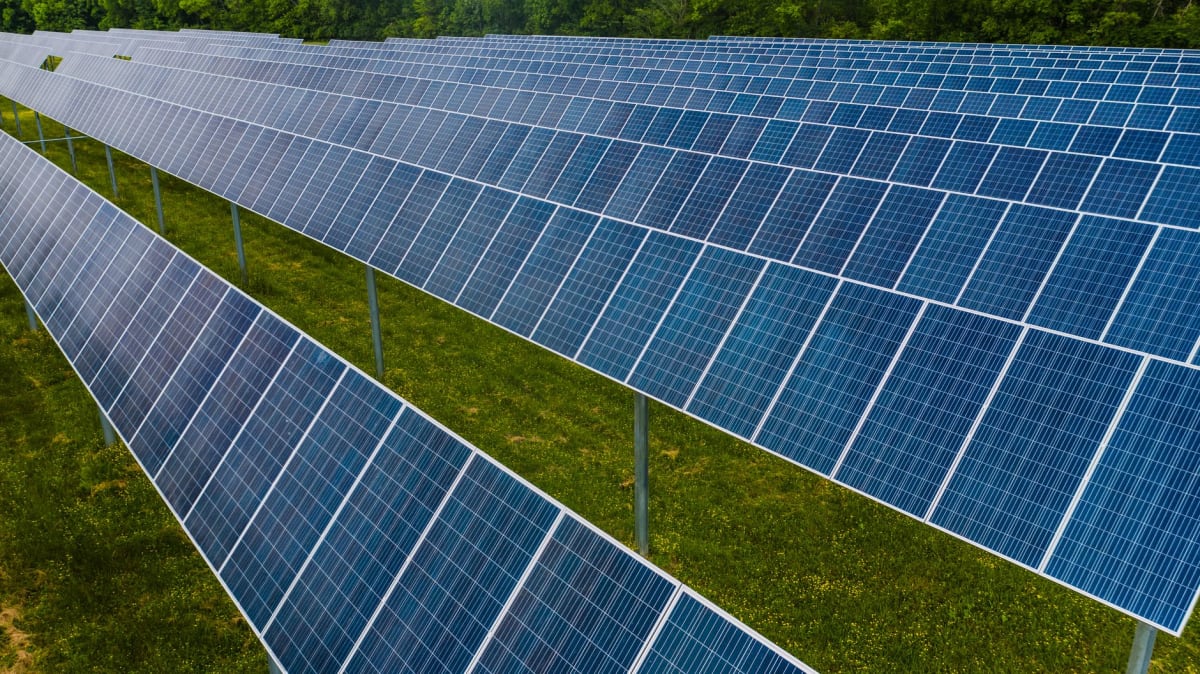
But Ethiopia has a secret weapon. More than 90% of its electricity comes from renewable sources like hydro and solar power. The Grand Ethiopian Renaissance Dam, Africa's largest hydroelectric project, is set to double the country's power generation.
That means Ethiopian drivers can charge their cars with clean, locally produced energy instead of expensive imported fuel. One private EV owner now spends just $4 monthly on charging compared to $27 previously spent on fuel. For taxi and bus operators, the savings are even more dramatic.
The shift is catching on fast across Africa. The continent imported 44,358 electric vehicles from China in 2025, up from 19,386 in 2024. Egypt, South Africa, Morocco, and Nigeria are all racing to join the movement with their own policy incentives and infrastructure investments.
The Ripple Effect
Over 100,000 African vehicle owners are now shielded from global oil price shocks. That stability doesn't just help individual wallets. Lower transport costs mean cheaper goods, better access to jobs, and money redirected toward healthcare, education, and development instead of foreign fuel bills.
Ethiopia plans to build 60 EV assembly plants by 2030, creating jobs while making electric vehicles more affordable for everyday people. Seventeen plants are already in the pipeline.
Challenges remain real. Charging stations cluster mainly in the capital Addis Ababa, leaving rural areas underserved. Frequent blackouts slow infrastructure buildout even as demand accelerates. The upfront cost of EVs still stretches beyond many families' budgets.
But experts see the path forward clearly. Countries like China and Norway proved that smart policies, infrastructure investment, and consumer incentives can drive rapid adoption. Ethiopia is taking notes and writing its own playbook for the rest of Africa.
The transformation reaches beyond just swapping one type of car for another. It's about reshaping how nations use energy, who controls that power, and who benefits from the transition to a cleaner future.
Africa is driving toward that future one electric mile at a time.
More Images

Based on reporting by Google News - Electric Vehicle
This story was written by BrightWire based on verified news reports.
Spread the positivity!
Share this good news with someone who needs it