Ethiopia Lets Local Researchers Lead Poverty Solutions
Ethiopian researchers are now designing their own studies to fight poverty, asking questions about local crops and drought patterns instead of following outsider agendas. The approach is already producing evidence that policymakers actually use.
Ethiopia just flipped the script on development research, and the results show why listening matters more than assuming.
For decades, researchers from wealthy countries decided what questions to ask about poverty in Africa. Now Ethiopia is proving there's a better way: let local experts lead from the start.
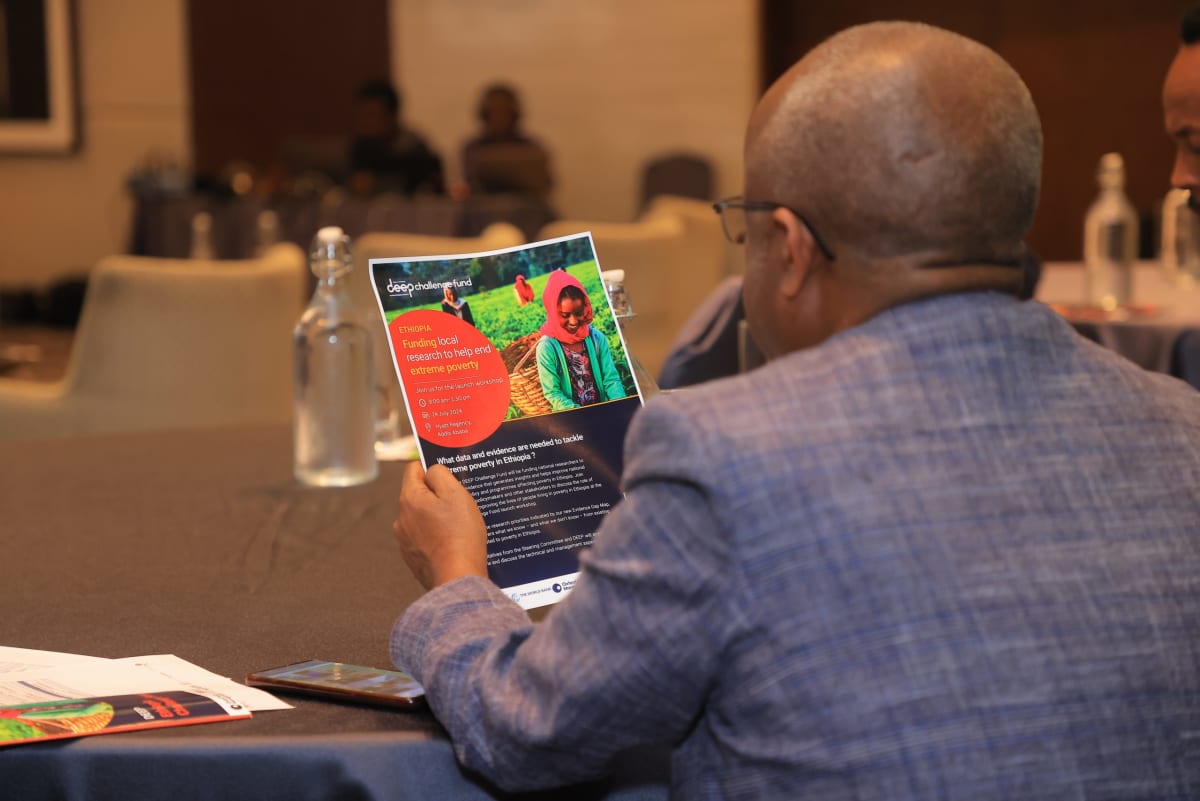
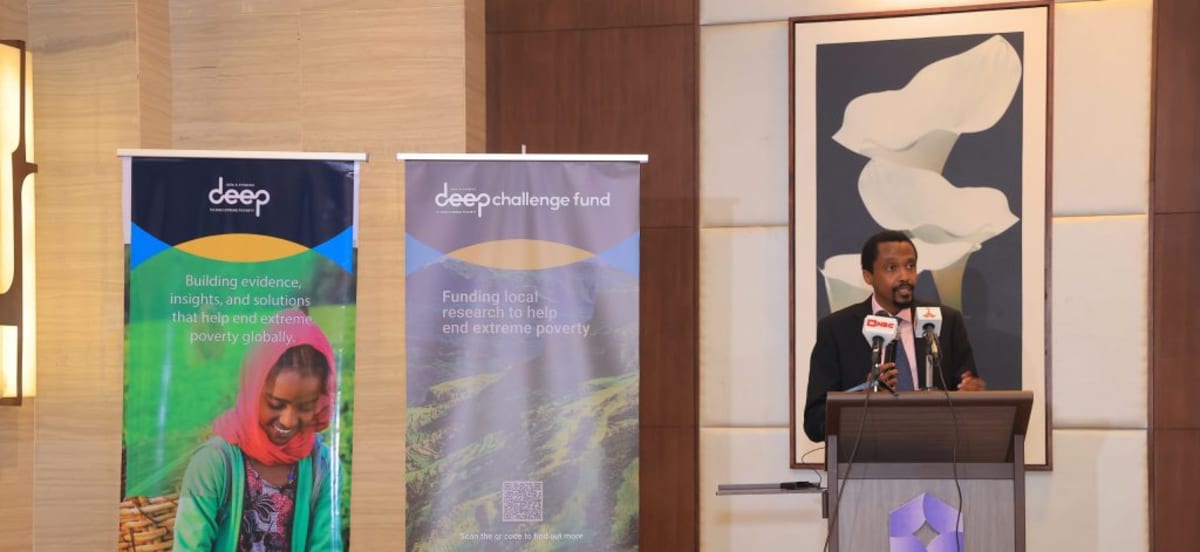
The Ethiopia Challenge Fund launched in 2024 after asking 250 Ethiopian voices what their country needed to know. Government officials, academics, and community leaders shaped the research agenda before a single dollar got spent. That simple shift changed everything.
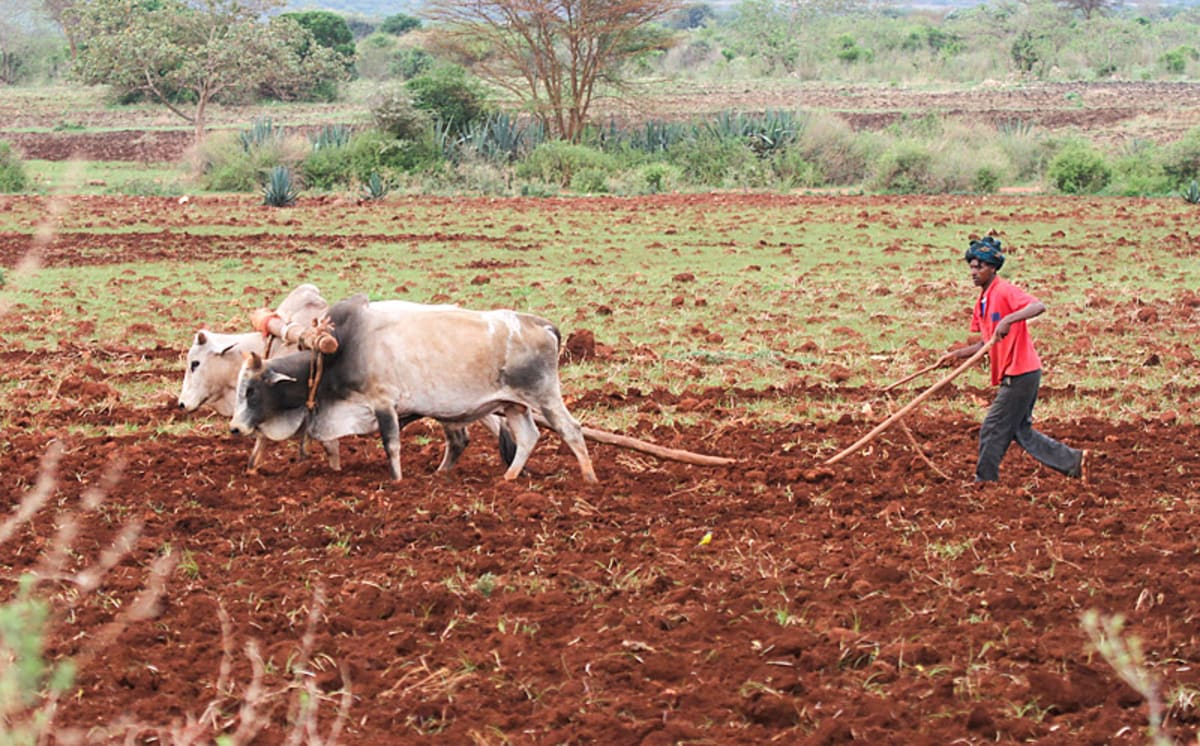
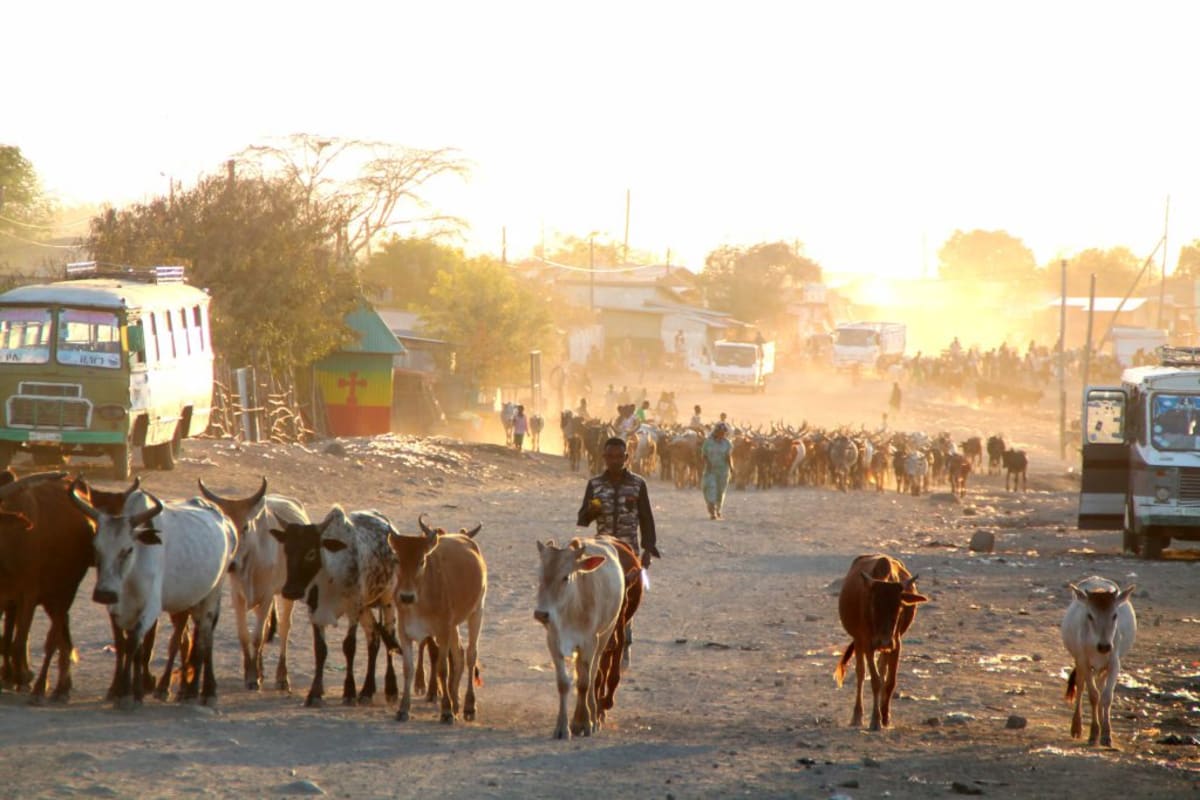
The resulting studies don't look like typical development research. Ethiopian researchers are investigating enset, a local crop that feeds millions but rarely appears in international agriculture reports. They're studying drought prediction systems tailored to pastoral communities in Afar and Somali regions, not generic climate models.
Other projects examine waste management in Addis Ababa, how energy poverty affects children's schooling, and poverty patterns in Tigray. Each study reflects challenges Ethiopians actually face, not what outsiders think they should prioritize.
The enset research shows why specificity matters. This crop isn't just food, it's a complete resilience system supporting income, nutrition, and climate adaptation across southern Ethiopia. An outside agenda might ask broad questions about farm productivity, but Ethiopian researchers know to ask how enset technology affects gender roles, commercialization, and poverty reduction simultaneously.
A steering committee of Ethiopian experts guides each project toward policy impact. They're not just producing reports that gather dust, they're building evidence that government ministries can use to make faster, smarter decisions.
The drought prediction project demonstrates this practical approach. By focusing on Ethiopia's arid eastern regions, researchers are developing early warning systems that help institutions act before crisis hits, not after.
The Ripple Effect
This model is spreading beyond Ethiopia's borders. When researchers study problems they understand deeply, using questions their communities actually ask, the evidence becomes more relevant and more likely to drive change.
The fund also strengthens Ethiopia's research infrastructure. Local universities gain capacity, young Ethiopian researchers build expertise, and knowledge stays in the country where it's needed most.
Development agencies worldwide are watching. The old model of flying in experts for short studies is giving way to partnerships where local researchers set priorities and control funding decisions.
Ethiopia's diversity makes it the perfect testing ground. A farmer in the highlands faces completely different challenges than a youth entrepreneur in Addis Ababa or a pastoralist in drought-prone lowlands. Only local researchers can capture that complexity.
The shift from "research for Ethiopia" to "research by Ethiopia" might sound small, but it's transforming how evidence gets created and used. When you ask the right people the right questions, solutions follow naturally.
More Images
Based on reporting by Google News - Poverty Reduction
This story was written by BrightWire based on verified news reports.
Spread the positivity!
Share this good news with someone who needs it