Ethiopia Opens 120MW Wind Farm to Power Regional Growth
Ethiopia just flipped the switch on a massive wind farm that will light up homes and strengthen ties with neighboring countries. Prime Minister Abiy Ahmed says clean energy is the key to lifting the entire region.
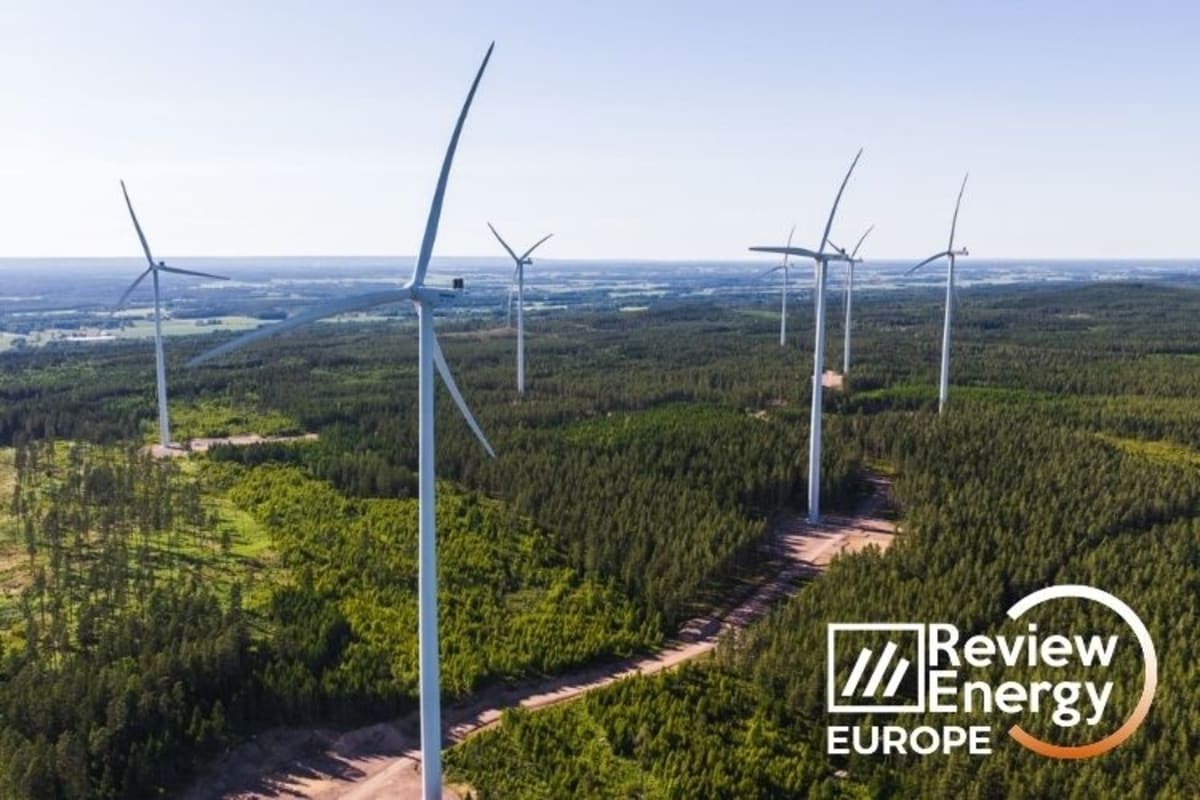
Wind turbines are now spinning across Ethiopia's Somali Region, bringing 120 megawatts of clean power to the national grid and marking a major win for East African cooperation.
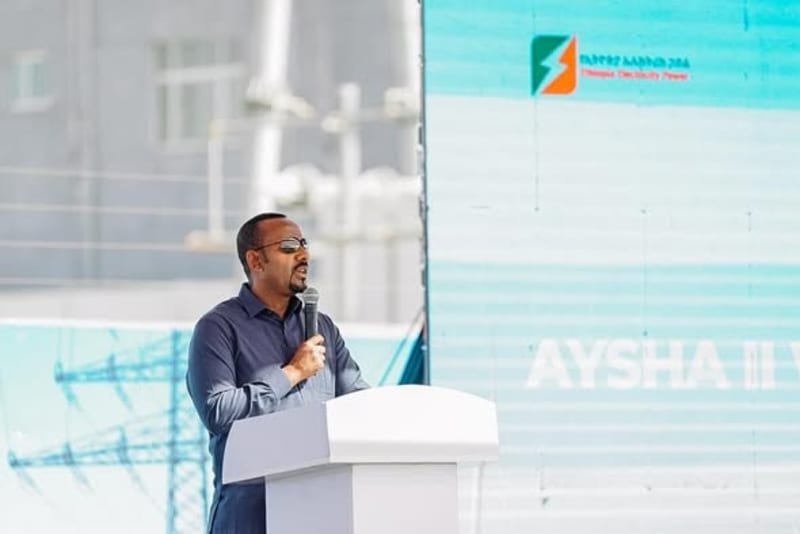
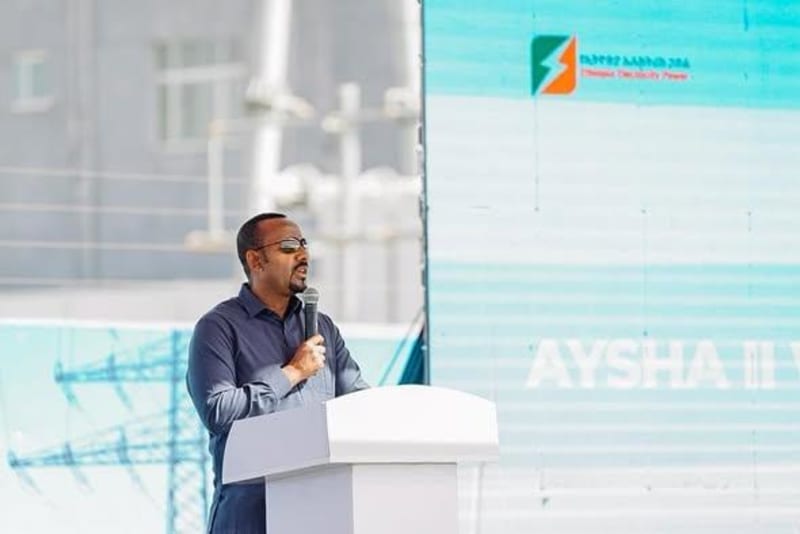
Prime Minister Abiy Ahmed inaugurated the Aysha II Wind Power Project on Saturday alongside the presidents of Djibouti and Somalia. The first phase already delivers 80 megawatts of electricity to homes and businesses across the country.
"By expanding our renewable energy sources, we are lighting up every corner of the country—not just its streets, but also the hopes and prosperity of our people," Abiy told the crowd at the ceremony.
The project represents more than just new power capacity. Ethiopia built the wind farm using domestic resources and local expertise, proving the country can drive its own clean energy future without waiting for outside help.
Ethiopia isn't stopping at its borders. The nation is actively working with Djibouti on shared energy and water projects, while building new power and transport connections with Somalia and South Sudan.
The Prime Minister pointed to the Grand Ethiopian Renaissance Dam as proof that African nations can tackle massive infrastructure projects on their own terms. That dam, built entirely with domestic funding, now stands as a symbol of what regional cooperation can achieve.
The Ripple Effect
Ethiopia's clean energy push is creating waves far beyond its own power grid. The country will host the COP-32 climate summit, giving Africa a global platform to showcase homegrown solutions to climate change.
Energy connectivity between Ethiopia and its neighbors means more reliable electricity for millions of people across East Africa. When countries share power resources, they build economic ties that make the entire region stronger and more stable.
The wind farm also demonstrates how climate action and economic development can move forward together. Clean energy creates jobs during construction, reduces air pollution, and cuts the carbon emissions driving global warming.
Prime Minister Abiy emphasized that East Africa's potential remains largely untapped. Coordinated action on renewable energy could secure reliable power for individual nations while delivering broad benefits across borders.
The Aysha II project shows what happens when countries choose cooperation over competition. As those wind turbines spin in Ethiopia's Somali Region, they're generating more than electricity—they're powering a vision of regional prosperity built on clean, sustainable energy.
More Images
.jpg)
Based on reporting by Regional: ethiopia development (ET)
This story was written by BrightWire based on verified news reports.
Spread the positivity!
Share this good news with someone who needs it