Ethiopia Plants 48 Billion Trees in Climate Comeback
Ethiopia's Green Legacy Initiative has planted 48 billion trees since 2019, boosting forest cover from 17% to 23% and creating a blueprint for climate action that unites governments, scientists, and communities. The ambitious program is now recognized as one of the world's most successful reforestation efforts.
Ethiopia just proved that fighting climate change works better when everyone gets involved.
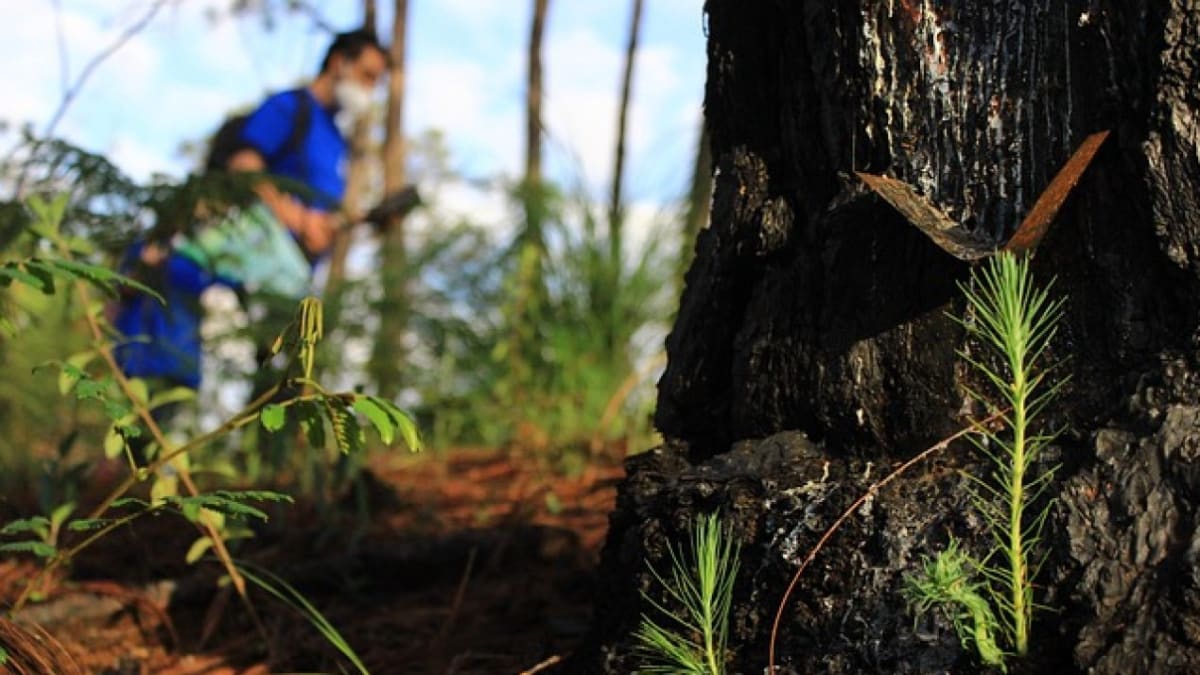
Since launching its Green Legacy Initiative in 2019, the East African nation has planted more than 48 billion tree seedlings across the country. That massive effort has already pushed Ethiopia's forest cover from about 17 percent to 23 percent in just four years.
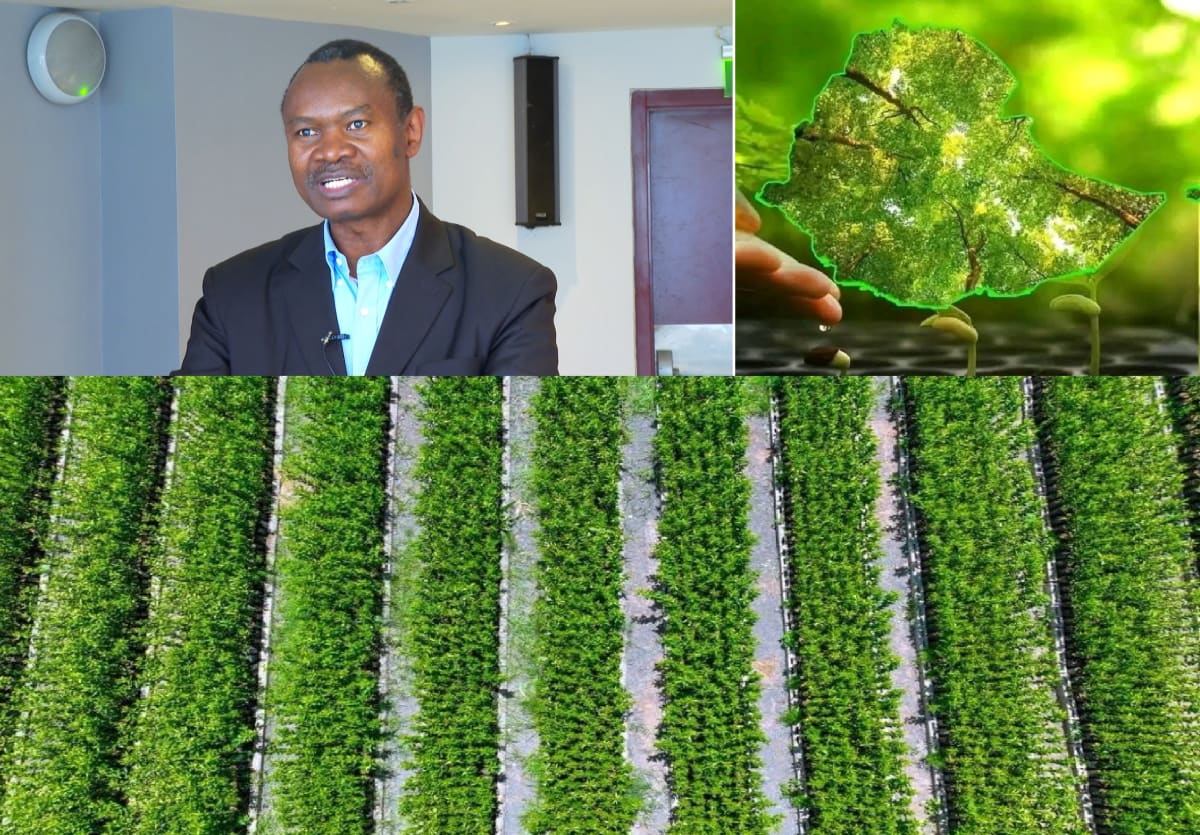
Dr. John Recha, a climate scientist at the International Livestock Research Institute, says the secret to Ethiopia's success is simple. The program brings together government officials, researchers, businesses, and local communities to work toward the same goal.
"Ethiopia's climate resilience program is unique because it brings together stakeholders from agriculture, energy, economics, research and the private sector," Recha explained. These diverse groups jointly design and implement projects that reduce greenhouse gas emissions while delivering real economic benefits to communities.
The initiative goes far beyond just planting trees. It aims to restore degraded landscapes, enhance biodiversity, and strengthen food security across the nation. Ethiopia has already launched its 2026 campaign to plant an additional 8 billion seedlings this rainy season.
The Ripple Effect
Other African nations are taking notice and following Ethiopia's lead. Kenya established a Climate Change Directorate, while Uganda created a Climate Change Department to coordinate similar efforts.
The coordinated approach makes climate action more effective by connecting scientific expertise with financing and private sector innovation. When technical experts, planners, and business leaders work together under one framework, countries can mobilize funding faster and implement solutions that actually stick.
Recha emphasized that this institutional coordination is what turns ambitious climate commitments into measurable outcomes. Countries that align their scientific knowledge, policy planning, and private investment toward shared goals see faster progress and longer lasting environmental benefits.
The measurable gains from Ethiopia's program offer compelling evidence that large scale climate action is possible. The restored forests are sequestering carbon, providing habitats for wildlife, and creating economic opportunities for communities involved in the planting and maintenance efforts.
As the global climate crisis intensifies, Ethiopia's inclusive model demonstrates what happens when nations stop treating environmental restoration as someone else's problem. The initiative proves that governments, scientists, businesses, and ordinary citizens can work together to reverse environmental damage at a massive scale.
More Images
.jpg)
Based on reporting by Regional: ethiopia development (ET)
This story was written by BrightWire based on verified news reports.
Spread the positivity!
Share this good news with someone who needs it