Ethiopia Powers East Africa With Renewable Energy Trade
Ethiopia is transforming the Horn of Africa by exporting clean electricity to five countries, turning renewable power into both economic fuel and diplomatic bridge. The country already generates 95% of its electricity from renewables and aims for universal energy access by 2030.
While much of the world debates climate action, Ethiopia is already living it by powering its neighbors with clean energy and building peace through shared prosperity.
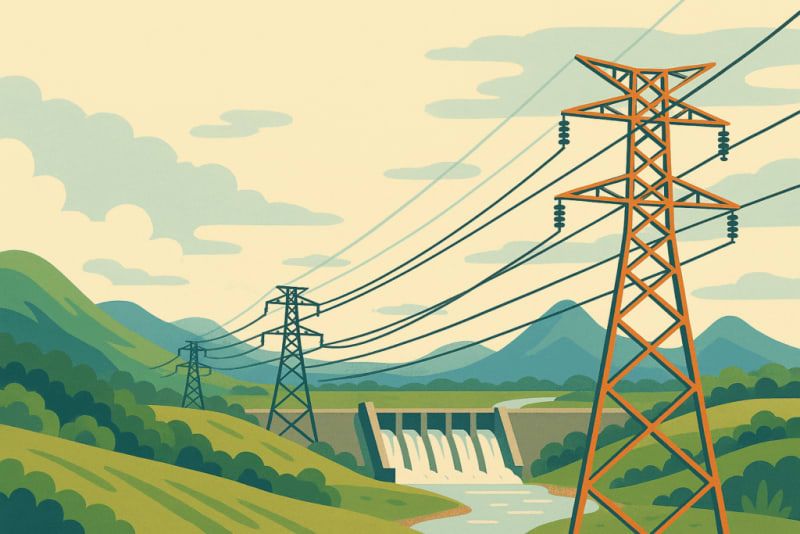
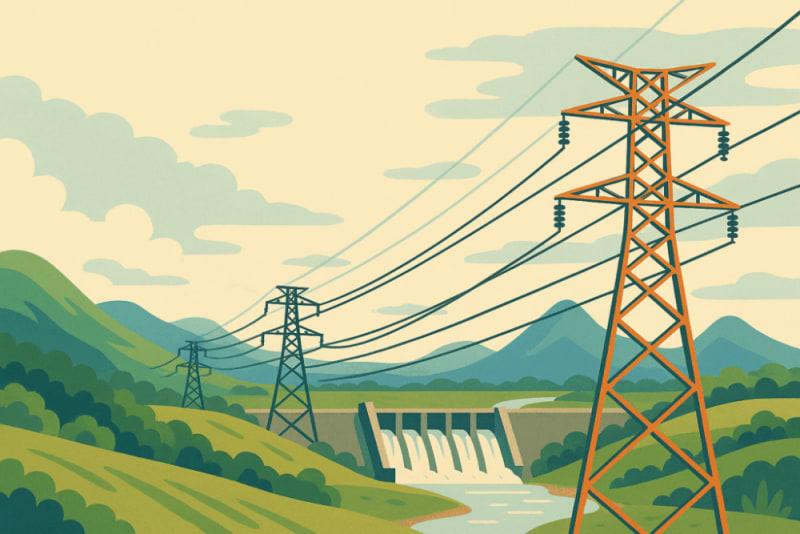
The East African nation now exports electricity to Kenya, Djibouti, Tanzania, Somalia, and South Sudan through expanding high-voltage transmission lines. Kenya alone imports 200 megawatts and plans to double that within five years, while Djibouti relies on Ethiopian power to run its busy ports and logistics hubs.
At the heart of this transformation stands the Grand Ethiopian Renaissance Dam, a 5,150-megawatt hydropower giant funded entirely by Ethiopians without any external financing. Prime Minister Abiy Ahmed calls it proof that "development should not be a zero-sum game, especially when it comes to shared natural resources."
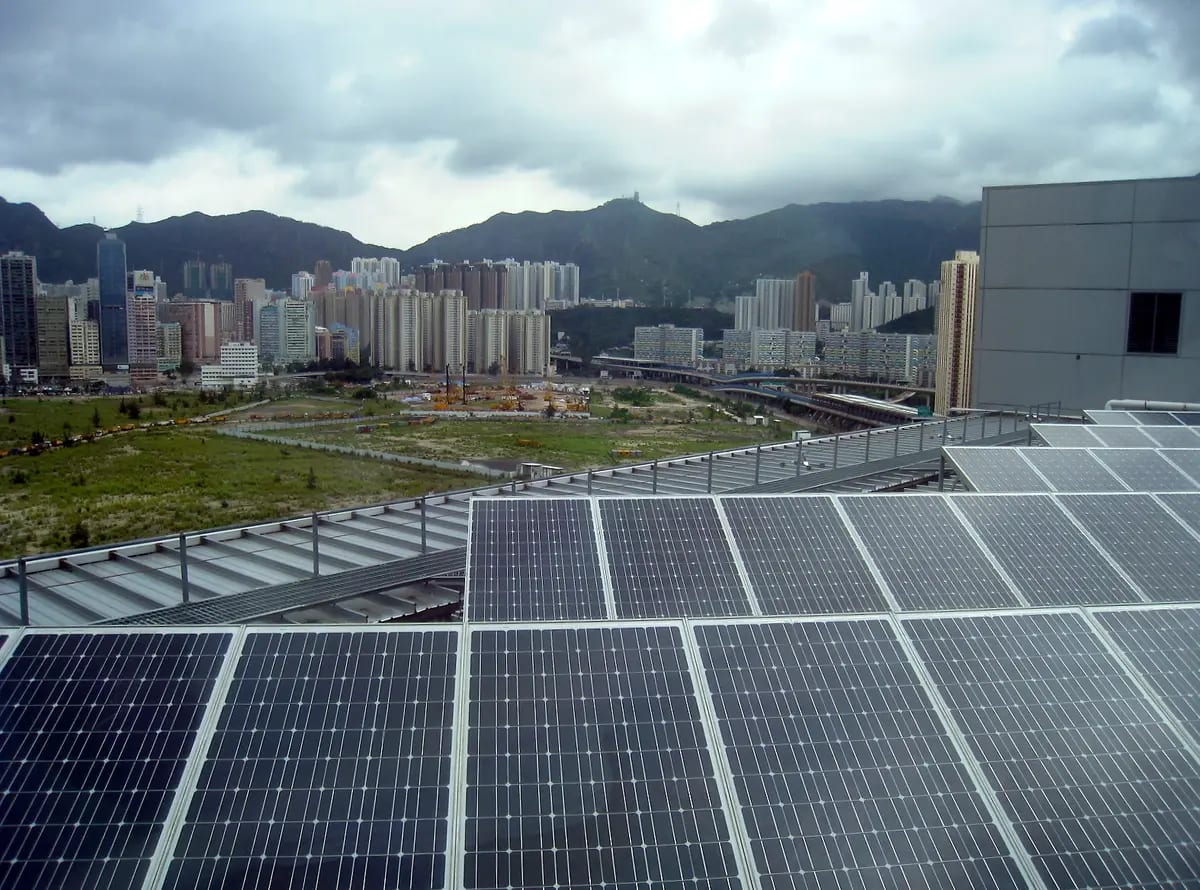
But Ethiopia isn't putting all its energy eggs in one basket. The country just inaugurated the 120-megawatt Aysha II Wind Project near the Djibouti border, with solar expansion also accelerating. Prime Minister Ahmed described the wind farm as "a symbol of our commitment to a diversified and climate resilient energy future."
The numbers tell an impressive story. Ethiopia already generates more than 95% of its power from renewables. In just the first half of 2025, electricity exports contributed over $5.1 billion to the national economy.
At home, the government is racing toward ambitious goals. The National Energy Compact targets 75% household electricity access and nearly 58% clean cooking access by 2030. Minister of Water and Energy Habtamu Itefa announced over 320,000 new connections in just six months.
The Ripple Effect
This isn't just about keeping the lights on. Finance Minister Ahmed Shide called energy integration "the cornerstone of stability in the Horn," recognizing that shared power grids create shared incentives for peace.
The strategy is replacing expensive diesel generators across the region with clean electricity, reducing costs while cutting carbon emissions. Policy analyst Hana Bekele notes that diversifying into wind and solar is "a risk management strategy that will determine the resilience of the entire regional grid."
Ethiopia is even launching a Made in Ethiopia initiative to manufacture wind and solar components locally, strengthening energy security while creating jobs. The plan aims to mobilize over $3 billion in private investment and raise generation capacity to 14,000 megawatts by 2030.
Current challenges remain real. Only 44% of Ethiopian households enjoy basic electricity service, and more than 92% still rely on traditional biomass for cooking. But the trajectory points upward.
As Ethiopia prepares to host COP32 in 2027, it's demonstrating that renewable energy can power both prosperity and diplomacy across an entire region.
More Images
Based on reporting by Regional: ethiopia development (ET)
This story was written by BrightWire based on verified news reports.
Spread the positivity!
Share this good news with someone who needs it