Ethiopia Powers Up With 5,000 MW Dam and Clean Energy Push
Ethiopia has transformed its energy sector over eight years, moving from chronic shortages to becoming a clean energy leader with over 90% renewable electricity. The country now exports power to neighbors while building Africa's largest hydroelectric dam.
A country once defined by energy shortages is now exporting clean electricity to its neighbors. Ethiopia's transformation over the past eight years shows how strategic investment in renewable power can reshape an entire economy.
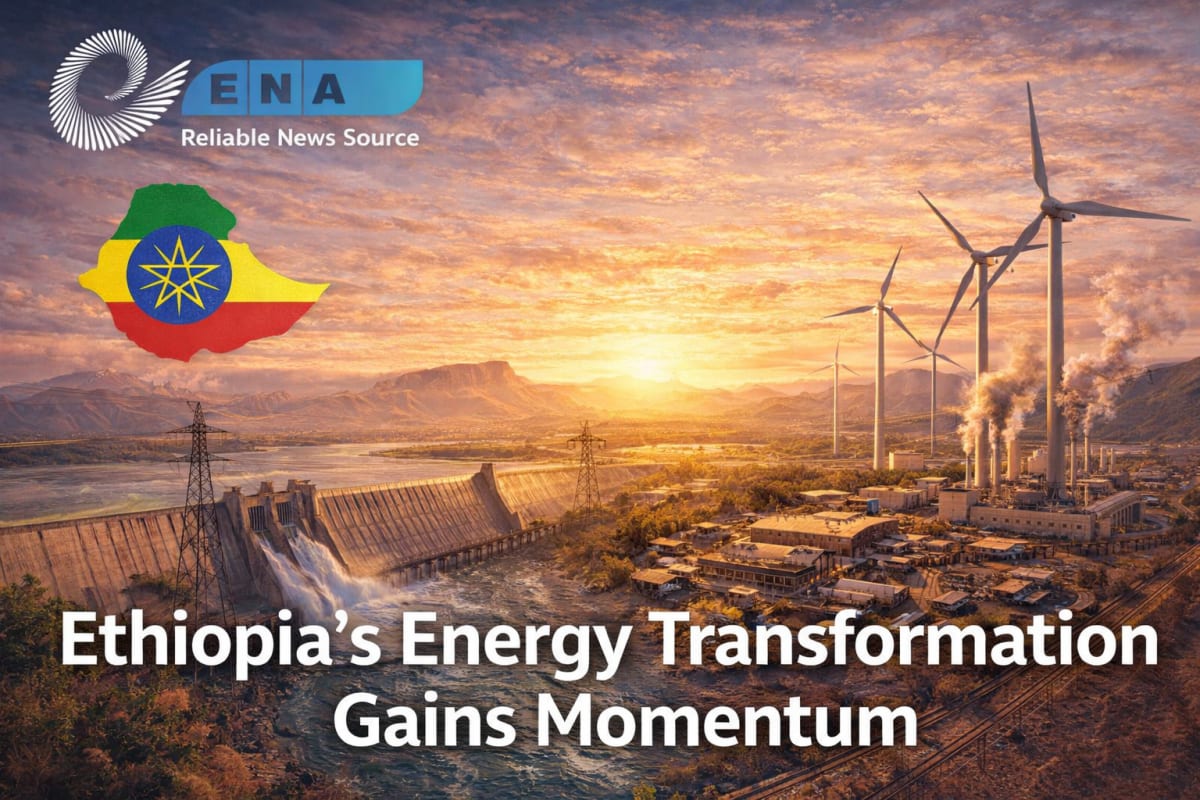
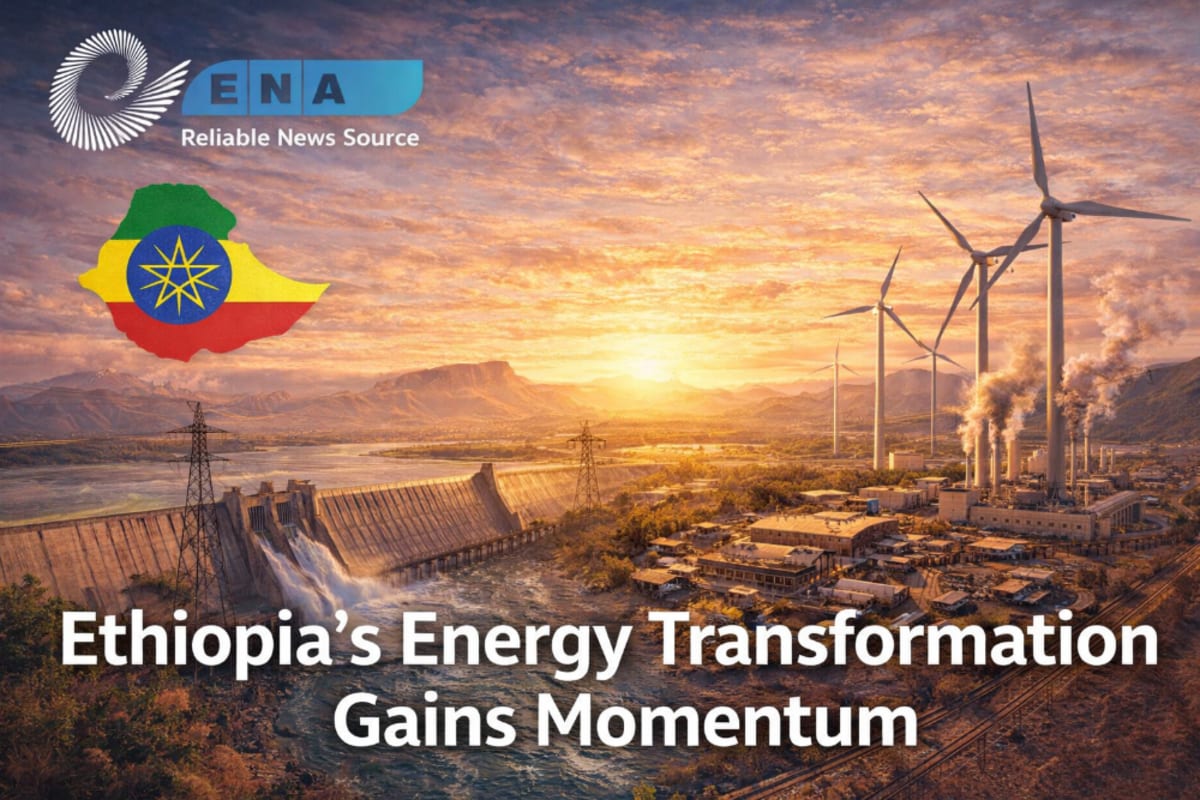
At the center of this shift stands the Grand Ethiopian Renaissance Dam, generating over 5,000 megawatts of hydroelectric power. The project represents more than impressive engineering. It signals Ethiopia's commitment to energy security and regional leadership in Africa.
But the real story goes beyond one dam. Ethiopia has deliberately diversified its energy sources, recognizing that true resilience comes from variety. The Koysha Hydroelectric Power Station adds another 2,000 megawatts to the national grid, tapping into the country's vast river systems.
Wind power has proven equally promising. The Ashegoda and Adama wind farms, along with the 300-megawatt Aysha project in the Somali Region, now feed hundreds of megawatts into the system. These installations reduce vulnerability to seasonal rainfall variations while aligning with global renewable trends.
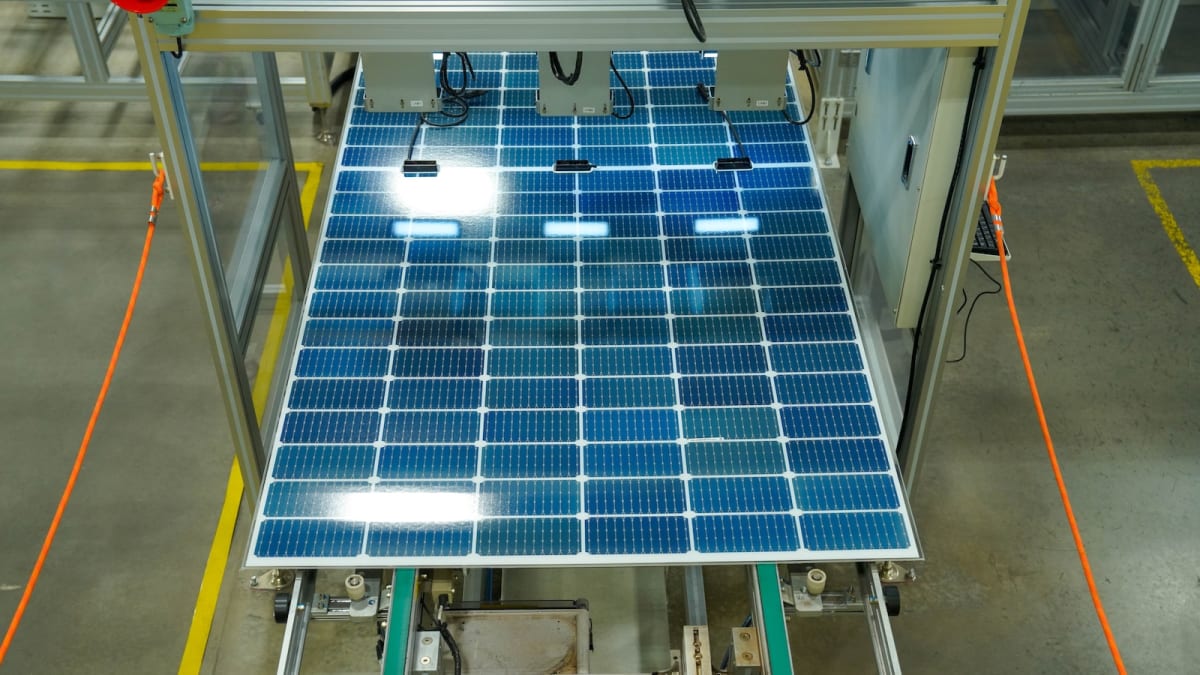
Solar energy is emerging as the next frontier. International partnerships are translating Ethiopia's enormous solar potential into utility-scale projects across the country. The Ministry of Finance reports these collaborations are accelerating the transition to clean energy while attracting foreign investment.
Ethiopia is even exploring nuclear power for peaceful purposes, working with international partners on early-stage development. Officials view nuclear as part of a long-term energy mix that extends beyond conventional renewables.
Natural gas development in the Somali region, particularly the Kalub Gas Field, provides another piece of the puzzle. Gas-fired power generation offers stable, flexible energy that complements intermittent solar and wind while supporting industrial growth.
The Ripple Effect spreads far beyond Ethiopia's borders. The country now exports clean electricity to neighboring nations, positioning itself as a regional energy hub. With over 90% of electricity generated from renewable sources, Ethiopia ranks among the world's leaders in clean energy utilization.
This achievement enhances the country's standing in international climate frameworks while attracting green investment. More importantly, expanding access brings power to previously underserved rural areas, enabling digital connectivity, supporting irrigation, and powering new industries.
Energy has become an instrument of transformation, unlocking potential that has always existed in Ethiopia's rivers, sun, wind, and land. The past eight years have demonstrated the capacity to translate natural resources into economic reality.
Challenges remain in financing and ensuring equitable access across all regions. But from the towering turbines of the Renaissance Dam to the windswept plains of Ashegoda, Ethiopia is building an energy future as diverse as it is ambitious, lighting the way for sustainable development across Africa.
More Images
Based on reporting by Regional: ethiopia development (ET)
This story was written by BrightWire based on verified news reports.
Spread the positivity!
Share this good news with someone who needs it