Ethiopia Startup Raises $13M for Electric Bike Revolution
A young Ethiopian company is turning the country's bold electric vehicle policies into reality with battery-swapping motorbikes that never need charging at home. Dodai just landed $13 million to blanket Addis Ababa with swap stations, proving Africa's clean transport future is closer than many think.
When your government bans gas-powered vehicles overnight, you need solutions that actually work for everyday people. That's exactly what Dodai is building in Ethiopia, and investors just bet $13 million they can pull it off.
The electric mobility startup closed its Series A funding round this month with support from British International Investment, Value Chain Innovation Fund, and several Japanese investors. The money combines $8 million in equity and $5 million in debt to scale a deceptively simple idea: electric motorbikes you never have to charge.
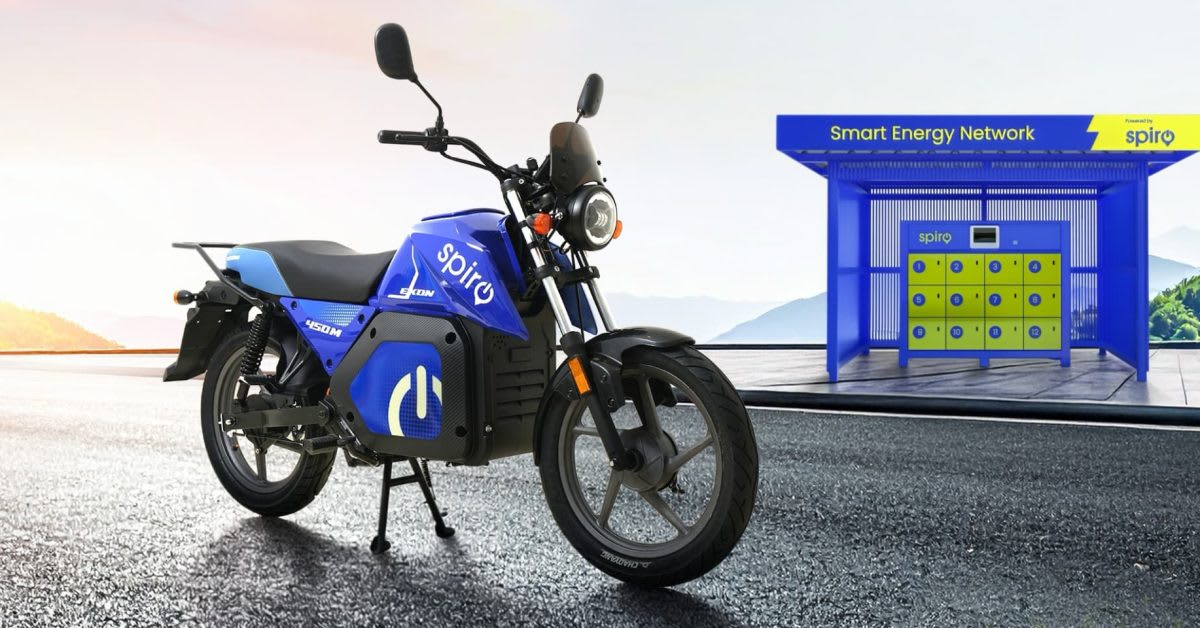
Instead of plugging in for hours, Dodai riders swap depleted batteries for fresh ones at stations across Addis Ababa. The whole process takes minutes, just like filling up at a gas station but cleaner and cheaper.
Founded just two years ago by Yuma Sasaki, Dodai has already assembled and deployed over 2,000 electric motorbikes locally. That matters in a country where import bans on gas-powered vehicles turned electric transportation from a nice idea into an urgent necessity. Ethiopia now has roughly 100,000 electric vehicles on its roads, more aggressive adoption than anywhere else in Africa.
The timing couldn't be better. Ethiopia banned private gas-powered car imports in 2024, then extended that ban to trucks in 2025. Suddenly, the entire country needs electric alternatives that work in real life, not just on paper.
Over the next year, Dodai plans to open 30 battery-swapping stations and reach 3,000 users across the capital. Within three years, they're aiming for 30,000 users and 1,000 stations before expanding to cities like Accra, Kinshasa, and Cairo starting in 2028.
The Ripple Effect: Dodai's model solves one of electric transportation's biggest headaches in developing markets: unreliable electricity grids. By centralizing charging at swap stations, the company sidesteps the need for every rider to have stable home power. That opens electric mobility to millions who'd otherwise be left behind.
The approach is attracting serious competition from local manufacturers like Belayneh Kinde Group and Chinese companies like Yadea. But Dodai is betting its integrated approach of local assembly plus swapping infrastructure creates advantages pure manufacturers can't match.
"We chose Ethiopia because that's where the opportunity to build from first principles really exists," Sasaki said. "This raise allows us to double down on that bet and show what the future of mobility in African cities can look like."
Leslie Maasdorp, CEO of British International Investment, called Ethiopia "one of Africa's most compelling frontier markets for the clean mobility transition." His fund's backing suggests international investors see what's happening in Addis Ababa as a template, not an exception.
In a world hungry for climate solutions that actually scale, watching a two-year-old startup turn bold policy into rideable reality feels like progress you can see.
Based on reporting by TechCabal
This story was written by BrightWire based on verified news reports.
Spread the positivity!
Share this good news with someone who needs it