Ethiopia Takes Control of National Data for Independence
Ethiopia is building its own data infrastructure to guide national policy without external dependence. The country has digitized its statistical systems and connected 26 branches nationwide with AI-powered tools.
Ethiopia is proving that taking control of your own data isn't just about technology. It's about charting your own course.
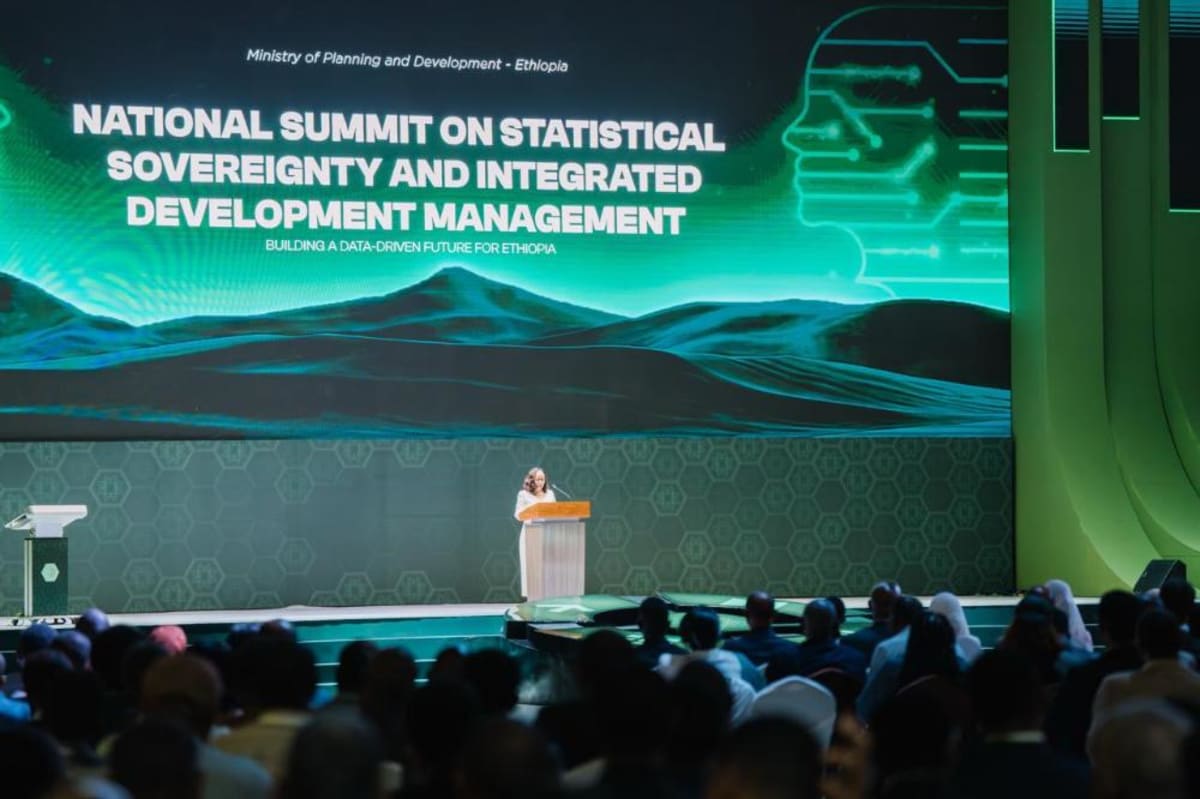
The East African nation announced major progress in building a self-reliant data ecosystem at a national conference in Addis Ababa. After years of relying on fragmented systems and external support, Ethiopia now manages how its national data is collected, stored, and used to shape policy decisions.
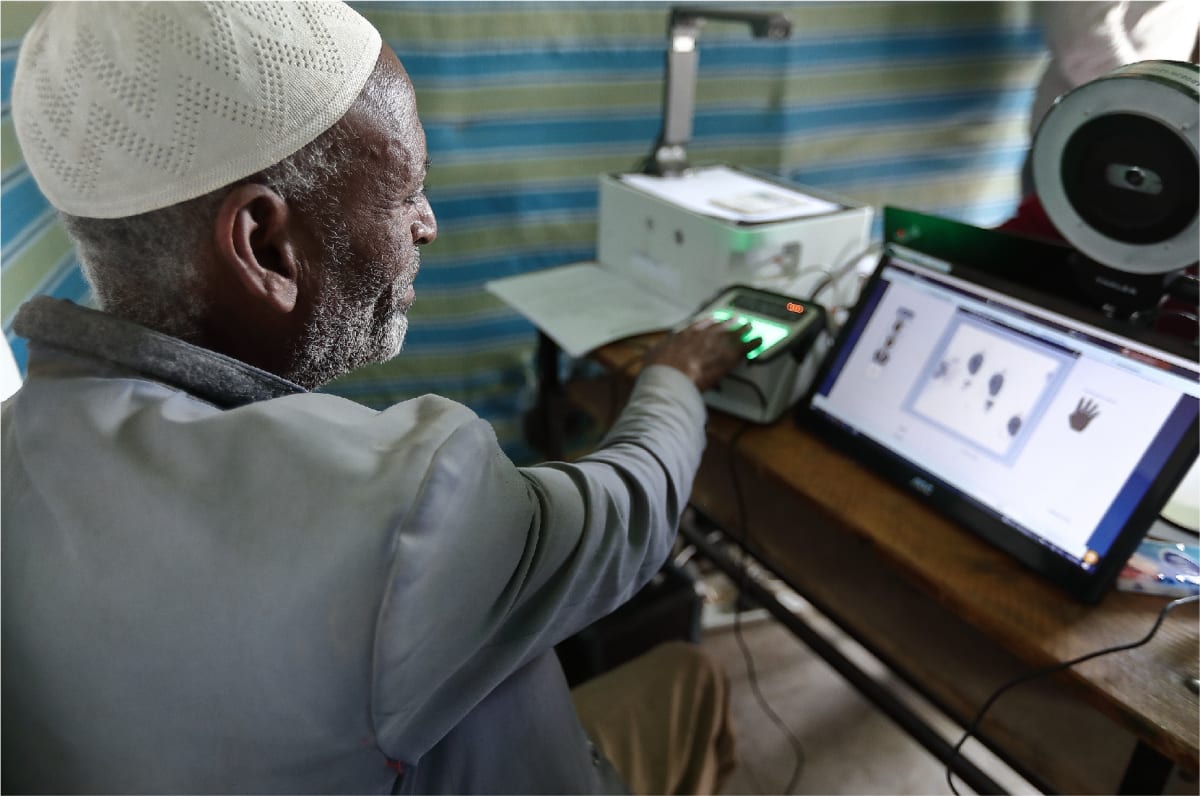
The shift is already paying dividends. The country has moved from paper-based surveys to fully digitized operations using real-time technology, connecting 26 statistical branches across the nation.
Minister of Planning and Development Fitsum Assefa explained that new household, tourism, and business surveys are directly shaping economic reforms and the country's Ten-Year Development Plan. These aren't just numbers on spreadsheets. They're helping leaders understand what citizens actually need.
Dr. Meron Kifelew from the Ethiopian Statistical Service described the technical leap. The country now uses computer-assisted interviewing, geographic information systems, cloud infrastructure, and an AI-powered survey dashboard. An enumerator tracking platform was developed domestically with the Information Network Security Administration.
More than 113 public institutions now use a unified digital platform for real-time performance monitoring. The "One Plan, One Report" framework means government agencies can see what's working and adjust quickly instead of waiting months for reports.
Ethiopia is also building sovereign cloud infrastructure and a national data lakehouse under its Digital Ethiopia 2030 plan. Worku Gachena, Director General of the Ethiopian Artificial Intelligence Institute, highlighted plans for indigenous multilingual AI models that support local languages and create economic opportunities.
The Ripple Effect
When countries control their own data infrastructure, they gain more than technical capability. They gain the power to set priorities based on local realities rather than external assumptions.
Ethiopia's agricultural census systems and demographic surveys now align with both continental goals under Agenda 2063 and United Nations frameworks. The difference is that Ethiopian professionals are leading the work, ensuring the data reflects what matters most to Ethiopian communities.
State Minister Bereket Feshatsion noted that development management reforms are modernizing planning and service delivery by replacing fragmented systems with integrated ones. Real accountability becomes possible when you can track performance as it happens, not months later.
The broader push toward data sovereignty positions Ethiopia as an emerging regional leader in digital governance. Other nations watching the transformation may see a blueprint for building their own independent statistical capabilities.
Ethiopia's journey from paper surveys to AI-powered dashboards shows what's possible when a country commits to self-reliance in the digital age.
More Images
Based on reporting by Regional: ethiopia development (ET)
This story was written by BrightWire based on verified news reports.
Spread the positivity!
Share this good news with someone who needs it