Ethiopia Turns Debt Crisis Into Strategic Opportunity
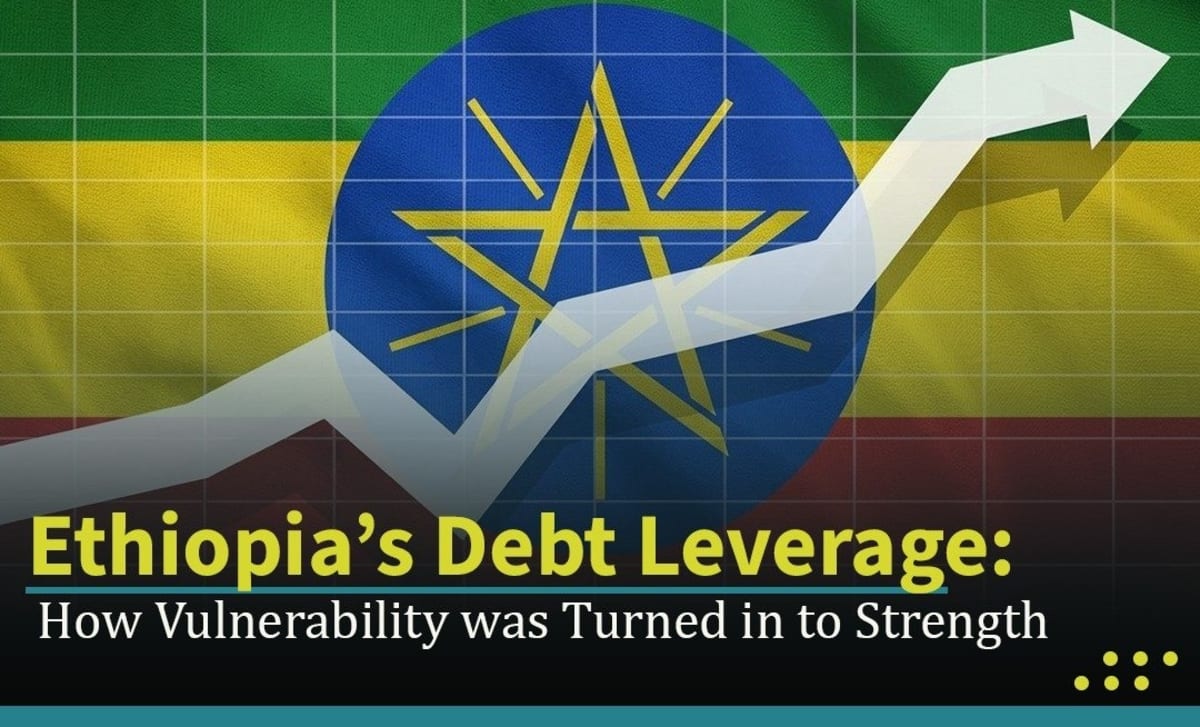
Ethiopia transformed its crushing debt burden into diplomatic leverage, securing major restructuring deals while pushing through economic reforms. The Horn of Africa nation proved that financial distress doesn't have to mean powerlessness.
A country drowning in debt isn't supposed to have negotiating power, but Ethiopia just rewrote the playbook.
In April, Ethiopia reached a groundbreaking debt restructuring agreement with China under the G20 Common Framework. But this wasn't just about getting relief from billions in crushing obligations. It was about proving that a distressed borrower could turn vulnerability into strength.
Ethiopia pulled off something remarkable. While most countries in debt crisis beg for mercy, Ethiopia approached restructuring as a strategic negotiation about its future value, not just its past mistakes.
The country had three critical advantages. First, Ethiopia matters too much to fail. As a central power in the Horn of Africa, its stability affects regional security, migration patterns, and Red Sea politics.
Second, Ethiopia owes money to many players, not just one. China, the IMF, bondholders, and development banks all have stakes. That competition gave Ethiopia room to maneuver and play different creditors against each other.
Third, and most impressive, Ethiopia kept reforming even under extreme pressure. The IMF's January 2026 review praised "better-than-anticipated macroeconomic outcomes," citing strong growth, rising exports, and easing inflation.
That combination let Ethiopia make a powerful argument: we're not asking to be rescued from failure, we're demanding that debt terms reflect our progress.
The strategy came at brutal cost. Poverty still sits at 43 percent. Inflation eroded wages so badly that the government had to delay public sector raises twice. Hard-currency shortages crushed imports and household purchasing power.
But instead of freezing under that pressure, Ethiopia's government pushed harder. It reformed exchange rates, rebuilt reserves, and engaged creditors simultaneously. The approach was harsh but coherent.
The Ripple Effect
Ethiopia's success could reshape how developing nations approach debt crises across Africa and beyond. UN Secretary-General António Guterres has called the global debt system "unsustainable, unfair and unaffordable," demanding lower borrowing costs and fairer treatment for struggling countries.
Ethiopia didn't wait for the system to become fair. It maneuvered inside an unfair system to extract better terms. The country showed that strategic thinking and continued reform can create leverage even in the depths of crisis.
The deal with China matters because it sits at the intersection of finance and geopolitics. Ethiopia proved it wasn't just a debtor seeking mercy but a strategic partner worth investing in for the future.
Other debt-distressed nations are watching closely. Ethiopia demonstrated that vulnerability doesn't have to mean surrender, and that reform under pressure can create unexpected diplomatic strength.
Ethiopia's path forward remains difficult, but it's walking that path with more power than anyone expected.
Based on reporting by Regional: ethiopia development (ET)
This story was written by BrightWire based on verified news reports.
Spread the positivity!
Share this good news with someone who needs it