Ethiopia Unveils Hamasa Village, A Rural Transformation
Ethiopia just launched Hamasa Model Village, a 79-hectare community combining modern infrastructure, climate-smart farming, and renewable energy to transform rural life. Prime Minister Abiy Ahmed says it's a blueprint for building prosperous, self-reliant farming communities across the nation.
Ethiopia is showing the world what modern rural development can look like, and it starts with a brand new village designed from the ground up to elevate farming families.
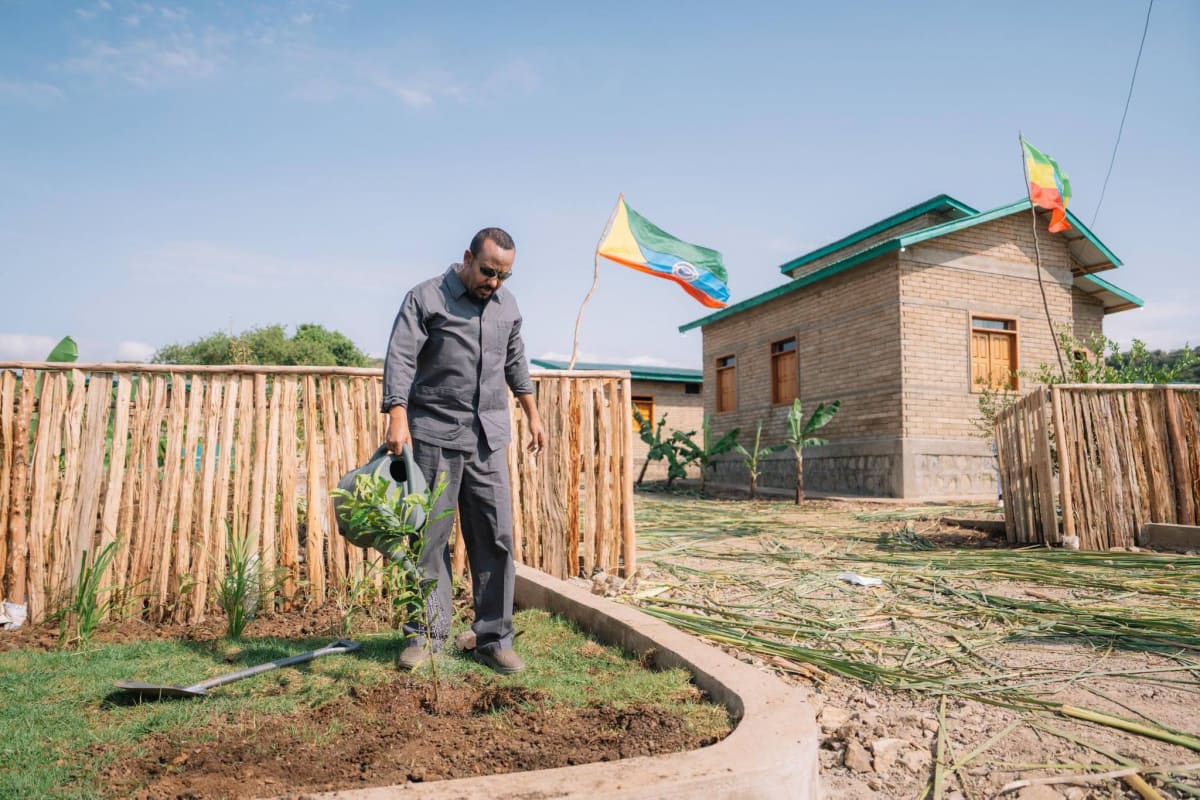
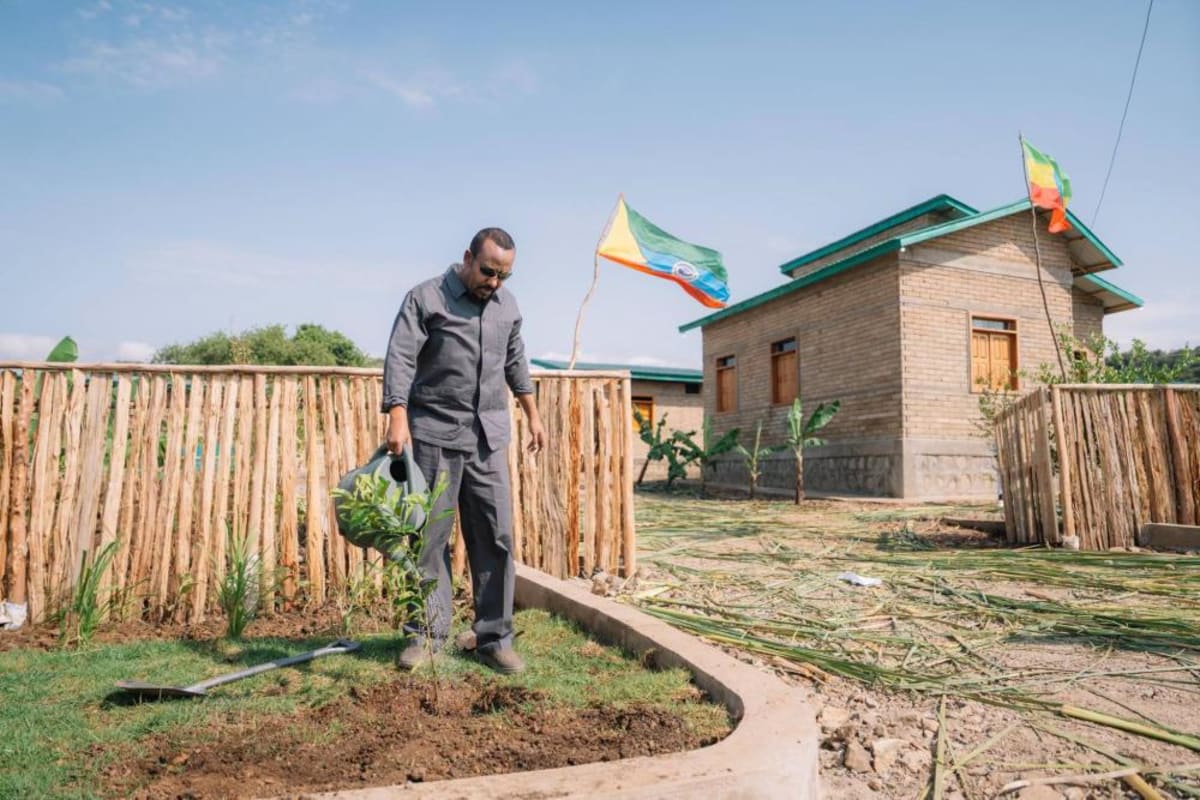
Prime Minister Abiy Ahmed recently inaugurated Hamasa Model Village, a landmark project spanning nearly 200 acres that reimagines what's possible for rural communities. Built under Ethiopia's Rural Corridor Development Program, the village integrates everything from organized livestock shelters to biogas systems in one comprehensive development.
The community features modern sanitation facilities that will improve public health outcomes for residents. Vegetable gardens and beekeeping sites provide diversified income streams beyond traditional farming. Renewable energy solutions like biogas systems reduce environmental impact while cutting household costs.
This isn't just about prettier buildings. The integrated design tackles multiple challenges rural families face simultaneously: food security, income stability, health, and environmental sustainability. By bringing these solutions together in one place, the village creates a foundation for genuinely resilient rural economies.
Prime Minister Abiy described Hamasa as proof that Ethiopia's reform agenda is delivering real results. "This model village is a tangible result of our reform efforts, elevating the dignity, comfort, and economic well-being of rural communities to a higher level," he shared on social media after the inauguration.
The project reflects a strategic government commitment to transform rural areas through infrastructure investment and sustainable agriculture. Rather than viewing farming communities as needing simple assistance, the initiative treats rural development as requiring the same comprehensive planning urban areas receive.
The Ripple Effect
Hamasa Model Village represents far more than one successful community. It serves as a living blueprint that other regions across Ethiopia can study and adapt to their own needs.
The village demonstrates that climate-smart agriculture and modern amenities aren't luxuries reserved for cities. When rural families gain access to quality housing, sanitation, and income-generating opportunities within a single framework, entire regional economies can strengthen.
As other communities observe Hamasa's integrated approach delivering results, the model could inspire similar transformations across Ethiopia's countryside. That potential for nationwide impact makes this project particularly significant for the country's development trajectory.
Ethiopia is proving that rural and modern don't have to be opposites, and hundreds of farming families now have a transformed way of life to show for it.
More Images
Based on reporting by Regional: ethiopia development (ET)
This story was written by BrightWire based on verified news reports.
Spread the positivity!
Share this good news with someone who needs it