Ethiopia: Women Rebuild Lives After Conflict and Disaster
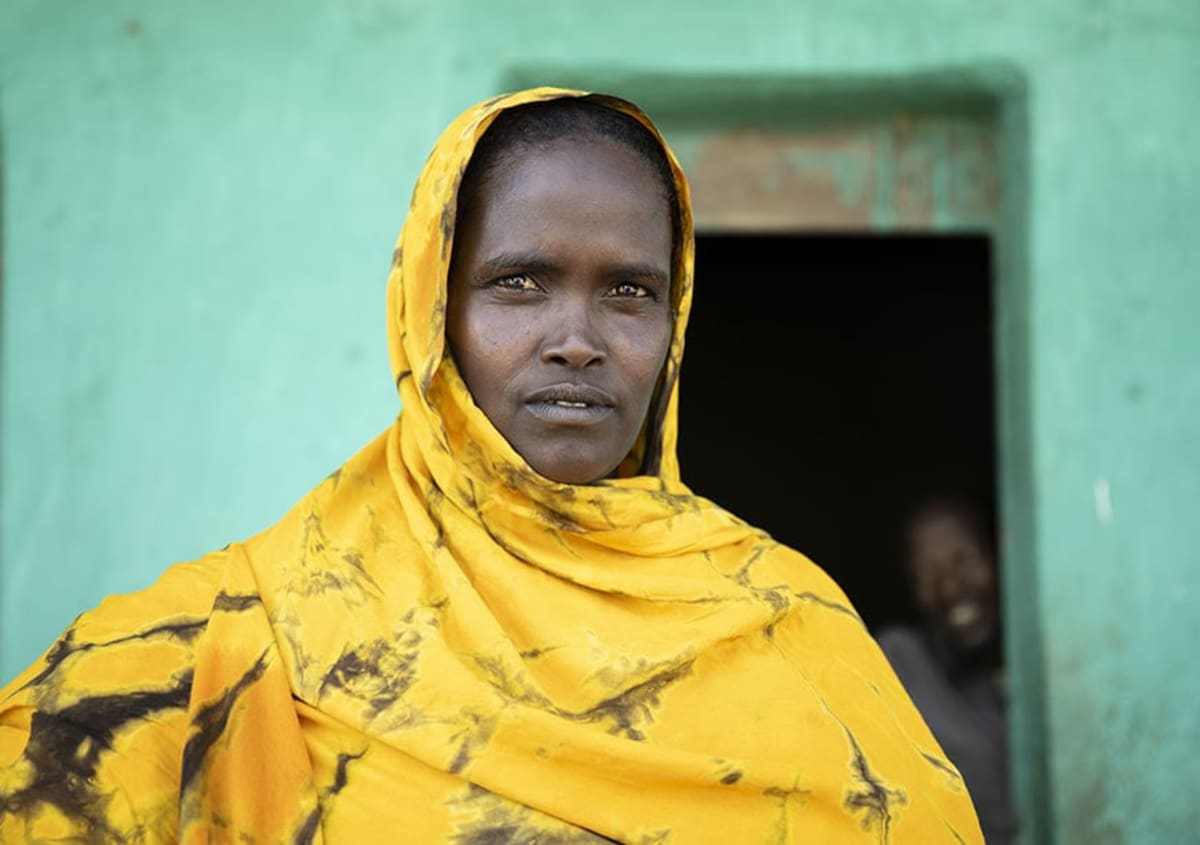
After losing everything to landslides, floods, and conflict, thousands of Ethiopian women are starting over with livestock, business grants, and renewed hope. UNDP's flexible funding is helping communities move from emergency survival to lasting recovery.
When a landslide buried her home in southern Ethiopia, 38-year-old Almaz Adala lost her two teenage children. Nearby, 80-year-old Askal Bolado lost her daughter and infant grandchild as the earth swallowed entire families.
Their tragedy reflects a broader crisis. In 2024, Ethiopia recorded 2.4 million internally displaced people, with floods, droughts, and conflict forcing hundreds of thousands from their homes.
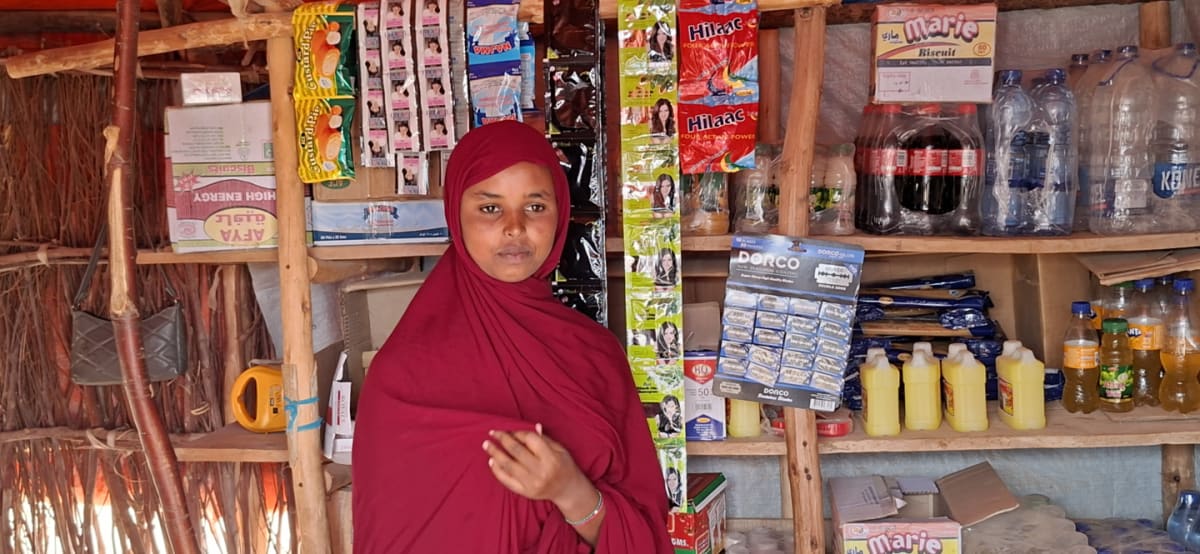
But instead of abandoning survivors to endless emergency aid, the United Nations Development Programme partnered with Ethiopia's government to help women rebuild through dignity. They provided livestock packages, business training, and start-up grants to help displaced women earn income again.
"This support gave me hope again," says Habsa Mohammed in East Imay. "With my goats and donkey, I can start over."
More than 1,000 women across Ethiopia's regions have received similar support. In Afar, women received business training and livestock. In Amhara, small business owners got cash grants for poultry farming and trade. In Tigray, women formed cooperatives focused on food processing and poultry.
The recovery extends beyond livelihoods. During Ethiopia's 2020-2022 conflict, courts shut down, leaving cases frozen. 85-year-old Kidan Weldemichael had nearly given up on her land dispute when courts finally reopened, allowing her to return home.
Dr. Tsegai, President of the Tigray Supreme Court, says his team rebuilt the judicial system from scratch. Mobile courts now bring justice to remote communities, tackling backlogged cases of gender-based violence, land disputes, and human trafficking.
In Amhara, local peace forums reduced tensions and helped communities regain normalcy. Justice and stability returned together.
The Ripple Effect
What started as emergency response transformed into lasting change. By pooling flexible funding from Denmark, Luxembourg, and South Korea, UNDP created programs that align immediate relief with long-term stability.
This approach reduces fragmentation between humanitarian aid and development work. It gives displaced families tools to rebuild while strengthening the institutions that keep communities safe and stable.
For 34-year-old Damenech Dima in Chano Dorga, who wakes before dawn to tend her family's farm, these programs represent more than charity. They represent a path forward where hard work can actually provide for her three children.
From farms to courtrooms, Ethiopia's recovery shows that rebuilding lives requires more than fixing infrastructure—it requires restoring hope, justice, and the ability to earn a living with dignity.
Based on reporting by Regional: ethiopia development (ET)
This story was written by BrightWire based on verified news reports.
Spread the positivity!
Share this good news with someone who needs it