Ethiopian Farmers Now Lead Their Own Irrigation Revolution
Ethiopia is flipping the script on drought vulnerability by putting farmers in charge of their own irrigation systems. The new program requires farmers to invest their own money alongside government support, creating ownership that past top-down efforts never achieved.
For generations, Ethiopian farmers have gambled their livelihoods on rainfall that often never comes. Now, a groundbreaking program is handing them the power to control their own water supply.
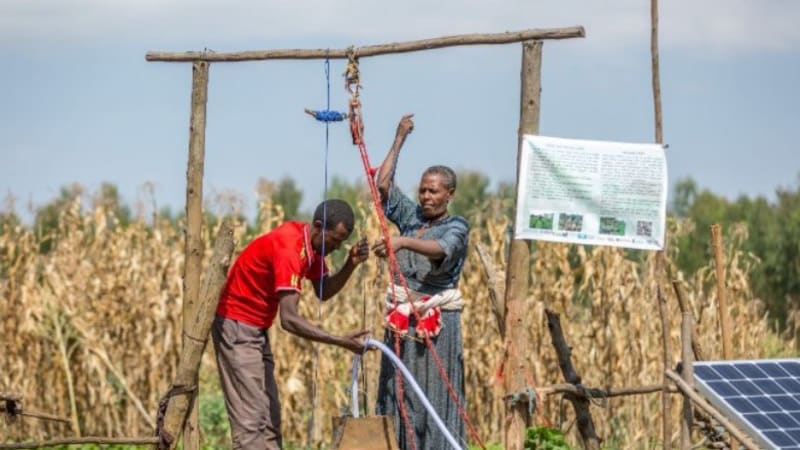
The Farmer-Led Irrigation Development Program marks a dramatic shift from failed government-run projects of the past. Instead of imposing solutions from above, Ethiopia's Ministry of Agriculture and the World Bank are letting farmers decide what irrigation systems they need and how to run them.
The secret ingredient is ownership. Farmers must invest their own money upfront, contributing 30% of the cost for solar irrigation systems or 60% for diesel ones. That financial stake ensures they're committed to making it work, not just receiving handouts that crumble within years.
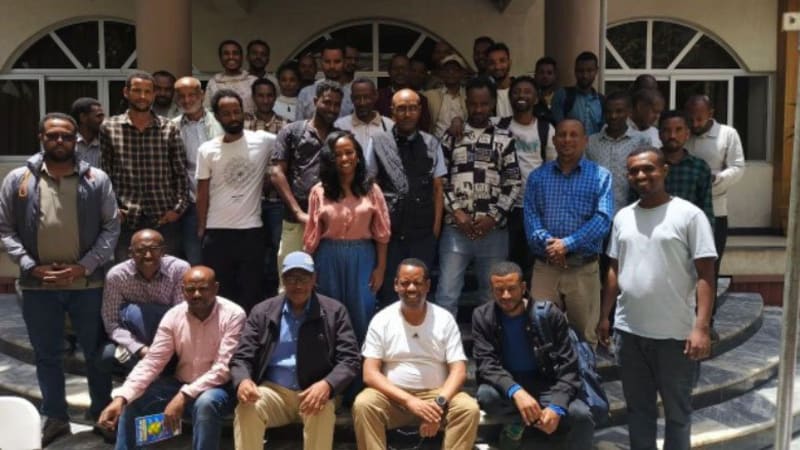
The program learned from successful pilots across Ethiopia and neighboring African countries like Uganda. Regional teams have already trained 158 staff members across 9 regions and shortlisted 16 equipment suppliers who understand farmer needs.
Right now, district workers are spreading the word in farming communities, and interest is surging. Farmers are registering on an online platform, getting unique IDs, and making their first payment of 10% to show they're serious. Teams assess each farm to ensure it's the right fit before moving forward.
The Ripple Effect
This isn't just about watering crops. When farmers control their irrigation, they escape the drought cycle that has trapped families in poverty for generations. They can plan harvests, grow more valuable crops, and build reliable income streams.
The approach transforms farmers from passive recipients into active business owners. They choose their equipment, learn to maintain it through hands-on training, and keep their systems running because they've invested real money.
By June 2026, thousands of smallholder farmers will be operating modern irrigation systems they selected and partially funded themselves. The momentum keeps building as more communities see their neighbors taking control of water that once came only from the sky.
Ethiopia is proving that the best way to help farmers isn't to do it for them, but to give them the tools and trust to lead themselves.
More Images
Based on reporting by Regional: ethiopia development (ET)
This story was written by BrightWire based on verified news reports.
Spread the positivity!
Share this good news with someone who needs it