Ethiopia's Dam Strategy Could Help All Nile Countries
A new approach to water storage in Ethiopia's highlands could reduce evaporation losses, improve flood control, and bring clean energy to millions across the Nile Basin. Former negotiators say cooperation could turn a disputed project into shared regional benefits.
What if the dam that sparked years of tension between nations could actually help everyone involved get more water, not less?
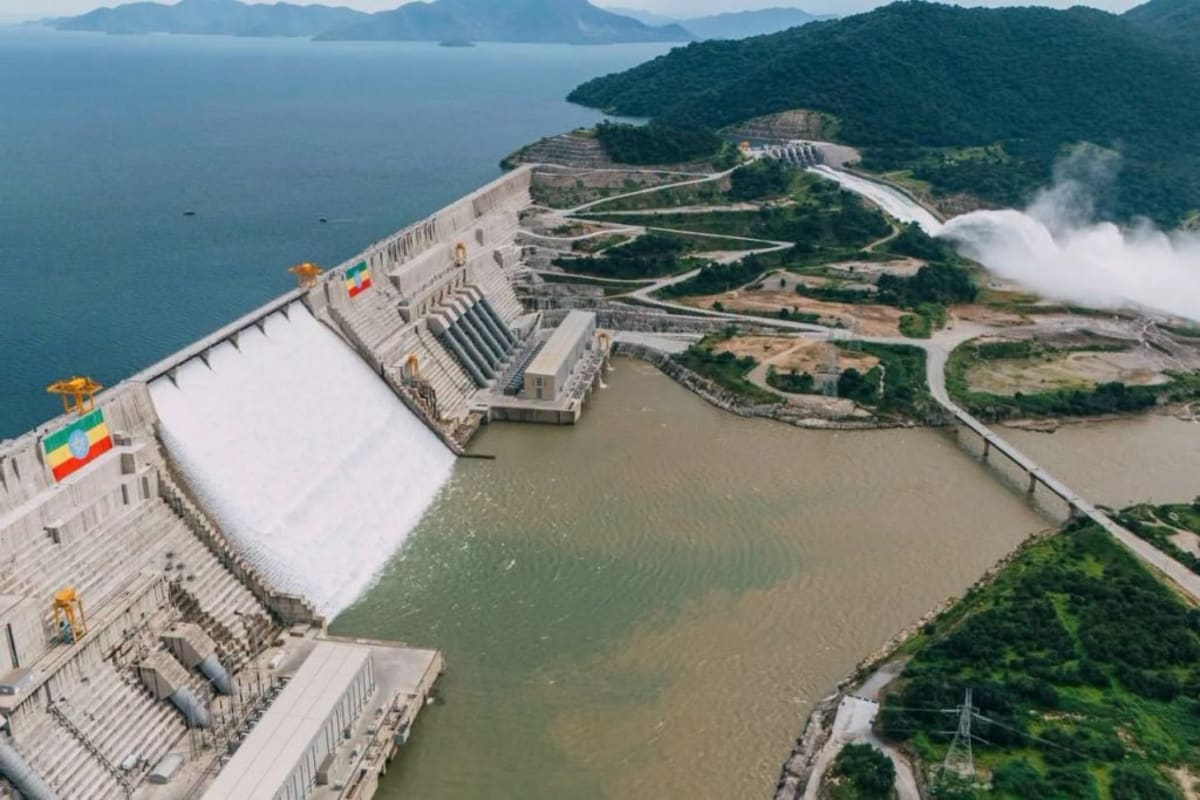
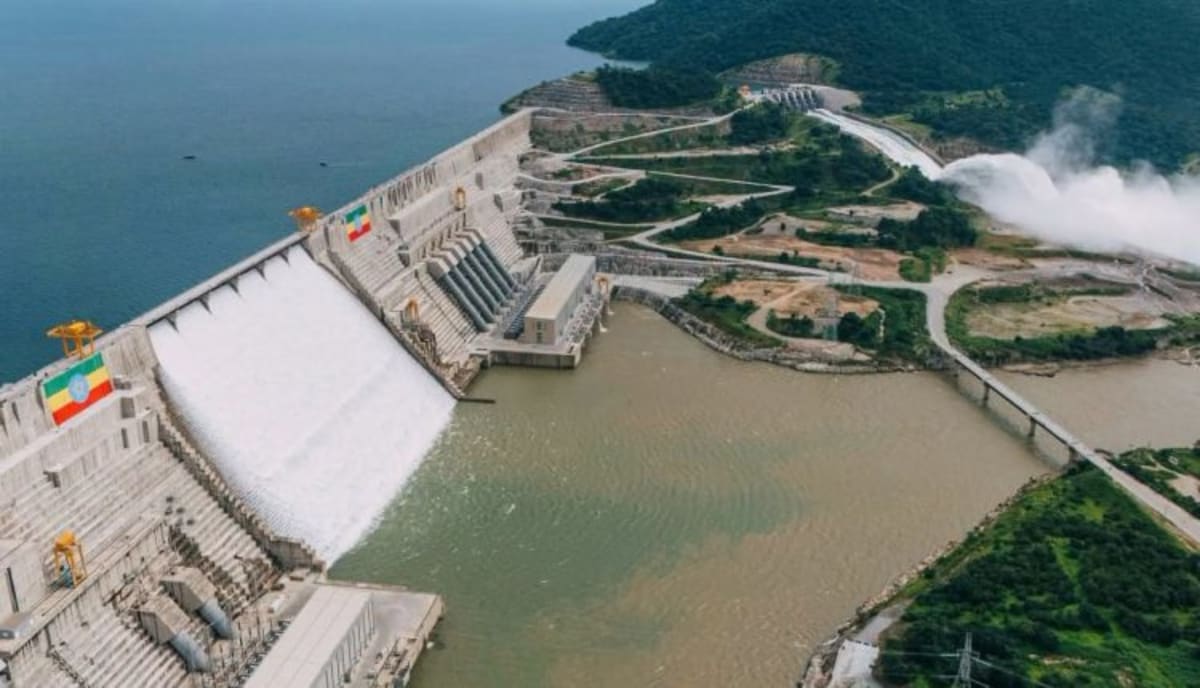
That's the case Ethiopian water experts are making for the Grand Ethiopian Renaissance Dam and future highland reservoirs. Fekahmed Negash, who chairs Ethiopia's Advisory Team on Transboundary Water and formerly negotiated the GERD deal, says storing water in Ethiopia's cool, deep gorges offers surprising advantages for downstream countries Egypt and Sudan.
The numbers tell a compelling story. Egypt's Aswan High Dam loses about 15 to 16 billion cubic meters of water every year just from evaporation in the desert heat. Together with Sudan's dams, the Nile Basin loses roughly 20 billion cubic meters annually to thin air.
Ethiopian reservoirs in cooler highland areas could conserve much of that water before it ever reaches the scorching downstream deserts. The difference in temperature and geography means more water ultimately flows to the countries that need it.
The benefits don't stop at evaporation. Sediment washing down from Ethiopia's highlands has been filling Lake Nasser behind the Aswan Dam for decades, slowly reducing how much water it can hold. Upstream dams could trap that sediment first, extending the life of Egypt's critical reservoir.
Flood control offers another win. During extreme flooding in 2005, Egypt had to divert billions of cubic meters toward the Toshka Valley just to relieve pressure on the Aswan Dam. Ethiopian storage could regulate those extreme flows before they become emergencies downstream.
The Ripple Effect
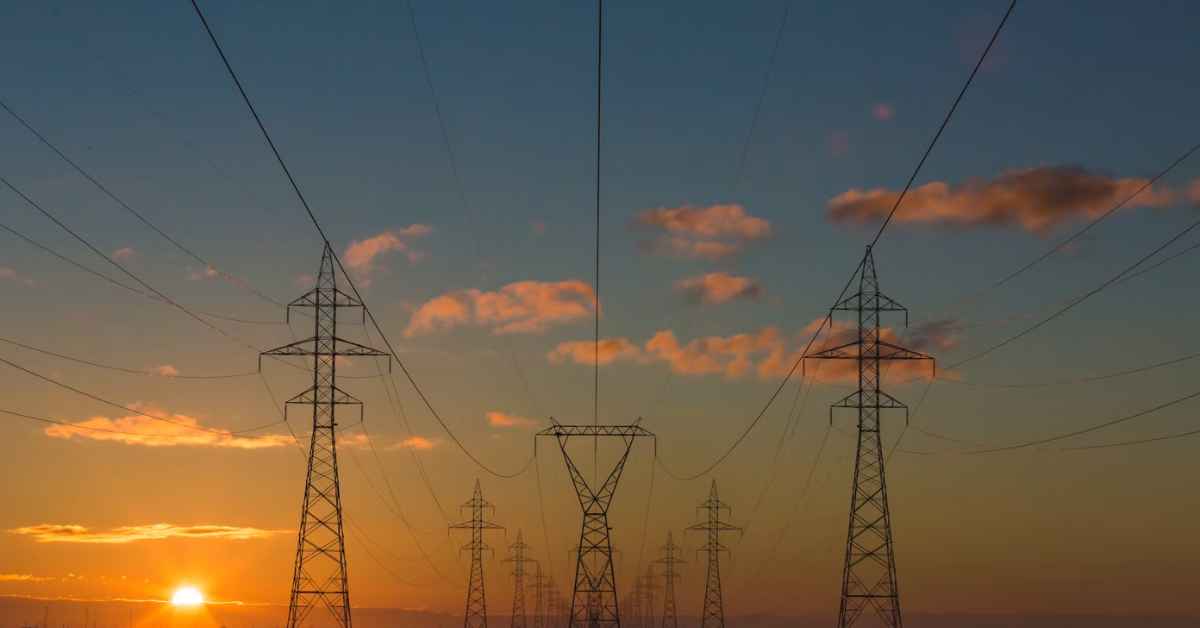
The potential reaches beyond water management into energy and climate resilience. Ethiopia's cascade of hydropower dams could generate electricity far beyond its own needs, offering downstream neighbors access to clean, affordable power to replace fossil fuels.
As climate change makes Nile River flows more unpredictable, stored water in Ethiopian highlands could be released during droughts and held back during floods. That flexibility strengthens the entire basin's ability to handle whatever weather patterns come next.
The key to unlocking these benefits, Fekahmed emphasizes, is shifting from individual country interests to basin-wide thinking. Greater cooperation and trust among Nile nations would be essential to realize the full potential of upstream storage.
His comments come as Ethiopia plans additional dams along the Blue Nile, sparking fresh discussions about how infrastructure in one country can serve regional development goals. The vision requires seeing neighbors not as competitors for a fixed amount of water, but as partners managing a shared resource more efficiently together.
Sometimes the best solutions require looking at old problems from entirely new angles.
More Images
Based on reporting by Regional: ethiopia development (ET)
This story was written by BrightWire based on verified news reports.
Spread the positivity!
Share this good news with someone who needs it