Ethiopia's GERD: Africa's Largest Dam Built Without Loans
Ethiopia completed Africa's biggest hydroelectric dam using only domestic funding, proving nations can achieve massive infrastructure projects through citizen participation and self-reliance. The Grand Ethiopian Renaissance Dam now stands as a blueprint for continental development.
When Ethiopia finished construction on Africa's largest hydroelectric power project, it did something almost unheard of in modern infrastructure: it paid for the entire thing itself.
The Grand Ethiopian Renaissance Dam (GERD), built on the Abay River since 2011, was funded entirely through domestic resources. Ethiopian citizens bought bonds, made direct contributions, and their government allocated funds without taking on major foreign debt.
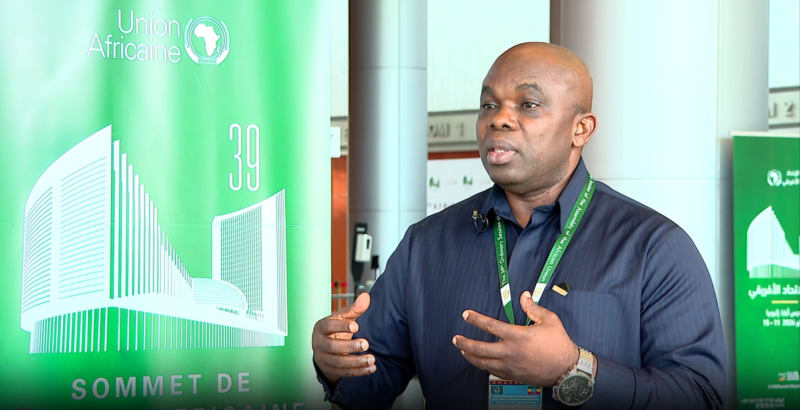
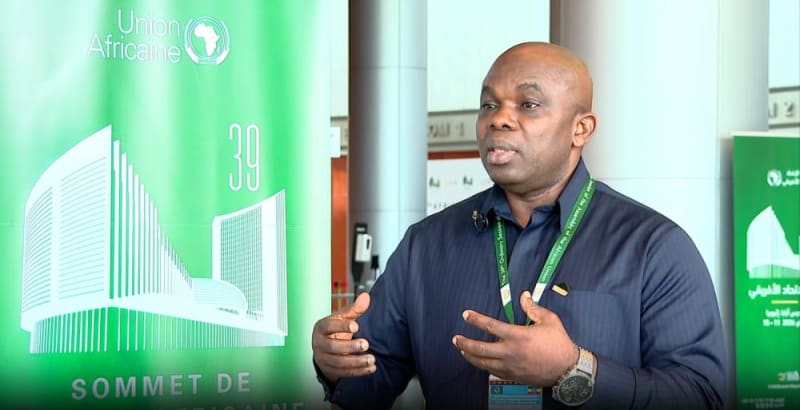
Dr. Ogho Okiti, a renowned economist and senior official at Nigeria's Federal Ministry of Finance, calls it "fantastic, unique and unprecedented." He sees the dam as living proof that African nations can accomplish extraordinary things through determination and self-reliance.
The numbers tell an impressive story. The GERD is the continent's largest hydroelectric facility, designed to generate clean energy for millions while strengthening regional power connections across East Africa.
But the real breakthrough isn't just the engineering. It's the financing model that broke with decades of dependency on foreign loans and aid for major projects.
"For the Ethiopians themselves to mobilize the resources to complete that dam was fantastic," Dr. Okiti noted. The broad participation of everyday Ethiopians buying bonds and contributing directly showed something powerful: when citizens trust their government to deliver, they'll invest in their own future.
The Ripple Effect
The GERD's success is already reshaping how Africa thinks about development. Countries across the continent are watching and asking: if Ethiopia can do this, why can't we?
Dr. Okiti believes the dam signals a shift in Africa's growth strategy. Instead of waiting for external funding that often comes with strings attached, nations can tap into domestic resources and citizen participation for transformative projects.
The model also demonstrates something deeper about trust and cooperation. When governments deliver on promises and citizens see tangible progress, it creates a virtuous cycle of engagement and investment.
Beyond Ethiopia's borders, the GERD represents a new approach to regional integration. The dam will expand electricity access across neighboring countries, promoting clean energy and economic growth through shared infrastructure rather than isolated development.
Dr. Okiti emphasized that African countries must now build on this momentum by strengthening trade partnerships and investment ties. The GERD proves that collaborative, self-financed continental projects aren't just possible; they're practical.
Ethiopia's achievement arrives at a crucial moment when many developing nations struggle with unsustainable debt from foreign-funded mega projects. The GERD offers an alternative path that preserves sovereignty while delivering results.
The dam stands as proof that Africa's greatest resource isn't underground or waiting to be discovered; it's the collective will and capability of its people working together toward shared goals.
More Images
Based on reporting by Regional: ethiopia development (ET)
This story was written by BrightWire based on verified news reports.
Spread the positivity!
Share this good news with someone who needs it