Ethiopia's Mega Dam Doubles Power Capacity to 9.6 Gigawatts
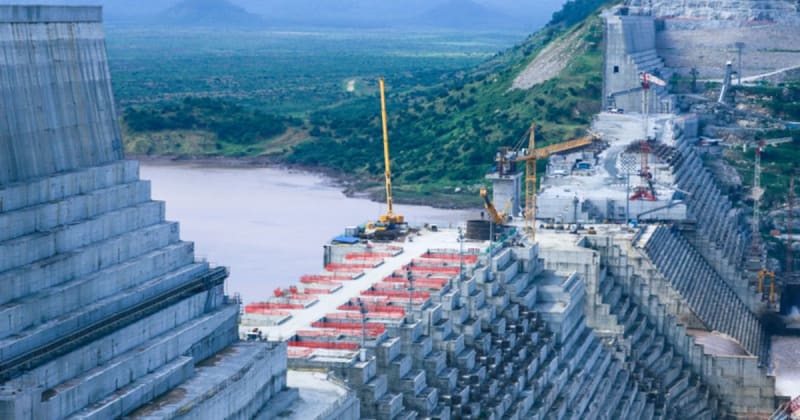
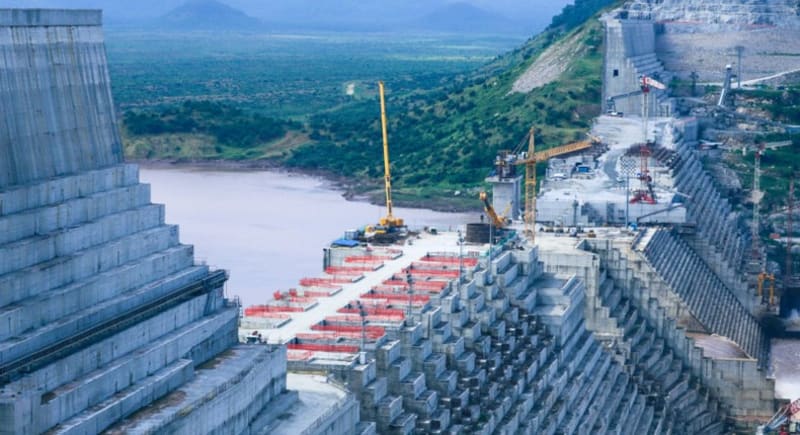
Ethiopia's Grand Ethiopian Renaissance Dam, Africa's largest hydroelectric project, has doubled the nation's power capacity and transformed it into a regional electricity hub. The domestically financed project is now powering industrial growth and supplying energy to neighboring countries.
After more than a decade of controversy, Ethiopia's massive hydroelectric dam is proving its critics wrong by delivering clean energy to millions and reshaping the country's economic future.
The Grand Ethiopian Renaissance Dam has boosted Ethiopia's power generation capacity to 9.6 gigawatts, making it Africa's largest hydroelectric facility. In just the past six months, the dam has generated 1.1 gigawatts of electricity, enough to power hundreds of thousands of homes and businesses.
Water and Energy Minister Habtamu Iteffa calls the dam a symbol of self-reliance. Ethiopia financed and built the project largely through domestic fundraising, even as neighboring countries raised concerns about water security and downstream impacts.
The results speak for themselves. Industrial output has accelerated, agricultural irrigation has expanded, and electricity access has improved across both urban and rural areas.
Ethiopia installed nearly 21,000 kilometers of transmission infrastructure to share its power surplus with neighboring countries. The country is evolving from an energy-starved nation into a regional electricity hub, with cross-border power trade now strengthening economic ties across the Horn of Africa.
For years, Egypt and Sudan worried that the dam would harm their water supply and security. Ethiopia maintained that the project would deliver shared benefits across the Nile Basin without significantly reducing downstream flows.
Now the dam is doing more than generating power. It helps regulate water flow and mitigate flooding for downstream countries, turning what was once a source of diplomatic tension into a potential model for regional cooperation.
The Ripple Effect
The power transformation extends beyond the dam itself. Ethiopia is expanding off-grid solutions using solar, wind, and biogas to reach remote communities. Reliable electricity is becoming the foundation for food security, industrialization, and economic stability across the nation.
Officials are developing an integrated master plan around Lake Nigat to create fisheries and tourism opportunities. Industrial zones in Addis Ababa are attracting new investment thanks to stable power supplies.
The dam's success is inspiring a shift in perspective across the region. What began as Africa's most controversial infrastructure project is becoming evidence that ambitious development goals are achievable through domestic determination and regional cooperation.
Ethiopia's energy minister emphasizes that cooperation delivers better outcomes than confrontation, a message gaining traction as neighboring countries see the economic benefits of shared electricity grids and regulated water management.
The Grand Ethiopian Renaissance Dam stands as proof that controversial projects can evolve into long-term economic dividends when nations commit to self-reliance and regional partnership.
More Images
Based on reporting by Regional: ethiopia development (ET)
This story was written by BrightWire based on verified news reports.
Spread the positivity!
Share this good news with someone who needs it