
Ethiopia's New Libraries and Urban Corridors Transform Cities
Prime Minister Abiy Ahmed toured eastern Ethiopia's development projects, inspecting a one-million-book library, modern service centers, and green urban corridors that are reshaping how Ethiopians live and work. These infrastructure wins show how the nation is building knowledge hubs and livable cities across the country.
Ethiopia is turning ambitious development plans into real places where people can study, work, and gather, with new infrastructure projects transforming cities across the eastern region.
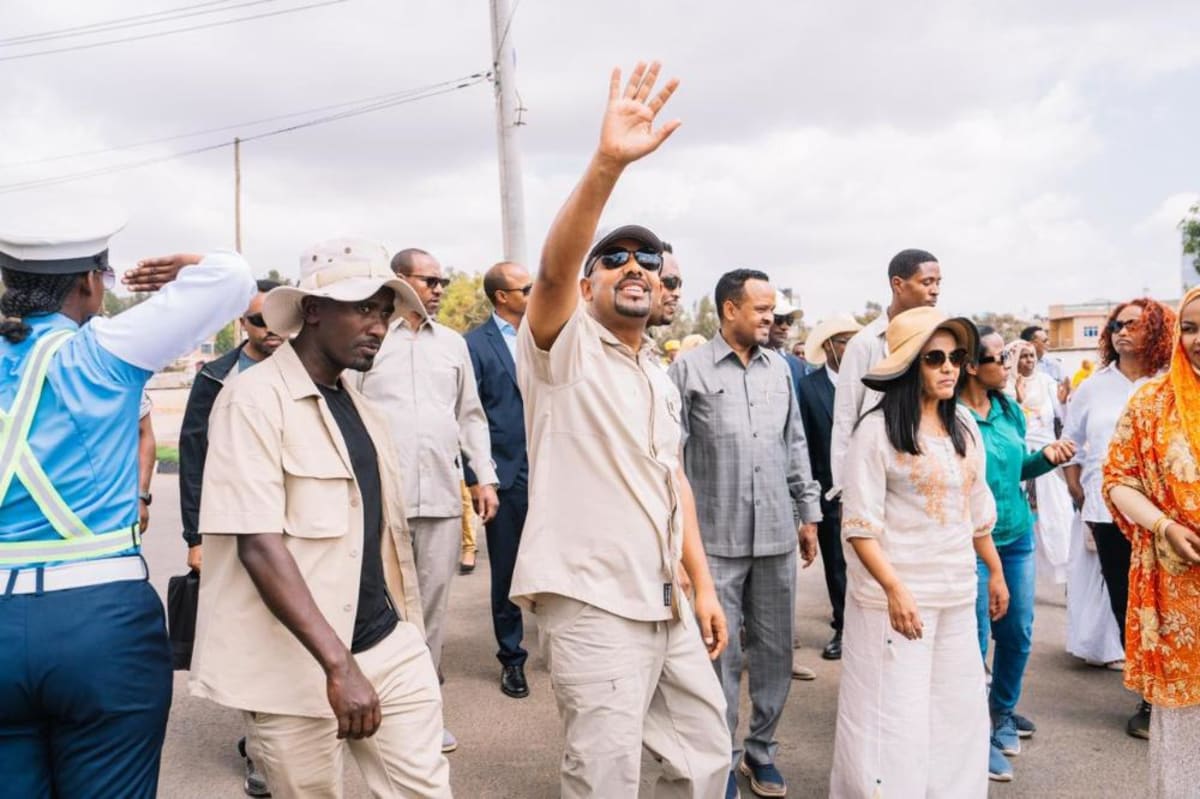
Prime Minister Abiy Ahmed recently visited Dire Dawa and Harar to inspect major projects that are changing how Ethiopians access education, government services, and public spaces. The tour highlighted visible progress on initiatives designed to improve daily life while positioning Ethiopia as a rising African hub for large-scale development.
In Dire Dawa, the newly built Emerta Library stands ready to serve 1,000 users at once, with shelf space for up to one million books. The facility represents one of the region's largest educational investments, creating a learning hub for students, researchers, and residents who previously lacked access to comprehensive research resources.
The same city now features a MESOB one-stop service center that brings dozens of government services under one roof. Citizens can complete administrative tasks quickly through digitalized processes, cutting through bureaucracy that once required multiple office visits and long waits.
Dire Dawa's corridor development project is turning key areas into organized public spaces with green corridors, pedestrian walkways, and modern amenities like electric vehicle charging stations and cafes. The initiative combines environmental improvements with economic opportunity, creating business openings for local residents while making the city more attractive to visitors and investors.
The Prime Minister also toured an Ethiopian Conformity Assessment Enterprise laboratory that tests products from edible oils to construction materials. By certifying that locally made goods meet national standards, the facility helps Ethiopian manufacturers compete in regional and global markets.
The Ripple Effect
These projects represent more than isolated improvements. They signal a nationwide effort to build the physical and institutional infrastructure that makes development sustainable.
In rural Harar's Sofi Woreda, community-led corridor development shows how local participation can transform settlements while preserving cultural identity. Residents used locally available materials and collective effort to create model villages that improve living conditions without abandoning traditional architecture.
Quality assurance labs, modern libraries, and efficient service centers create the foundation for long-term growth. When citizens can access books, complete paperwork efficiently, and trust product quality, entire communities gain capacity to participate in broader economic opportunities.
Urban green spaces and organized public areas improve quality of life in ways that attract talent and investment. Cities become places where people want to live and work, not just survive.
Over seven years, Ethiopia has pursued transformative projects in power generation, aviation, natural gas, fertilizer production, and urban development. The eastern region tour demonstrates how these plans are becoming physical realities that citizens can see and use.
Ethiopia's infrastructure push shows what's possible when nations invest in both knowledge and livable cities.
More Images
Based on reporting by Regional: ethiopia development (ET)
This story was written by BrightWire based on verified news reports.
Spread the positivity!
Share this good news with someone who needs it

%2Ffile%2Fattachments%2Forphans%2FGathering-Friends3_449358.jpg)