EU Carbon Policy Could Cut 700M Tons of CO₂ Emissions
New research shows Europe's Carbon Border Adjustment Mechanism could slash nearly 700 million tons of CO₂ emissions by encouraging global carbon pricing. Critics called it bureaucratic red tape, but the data tells a different story.
A climate policy once dismissed as bureaucratic overkill might become one of Europe's most powerful tools for cutting global emissions.
Researchers found that the European Carbon Border Adjustment Mechanism could reduce CO₂ emissions by nearly 700 million tons. That's roughly equal to the annual emissions of Germany and France combined.
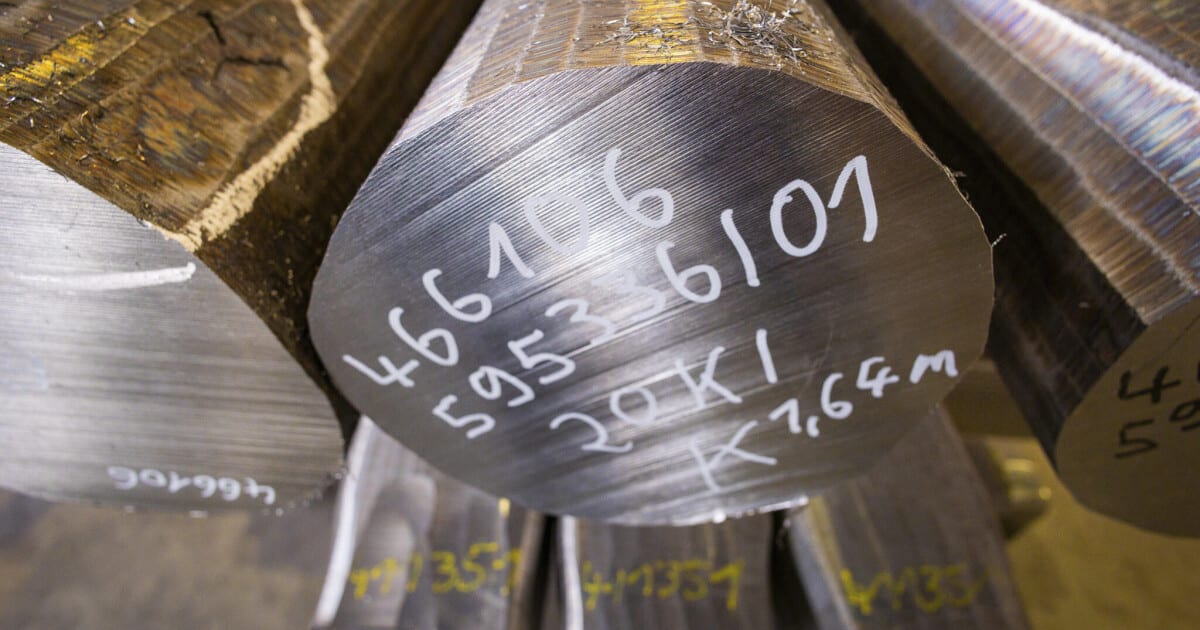
The policy, known as CBAM, started applying to steel imports into the EU at the beginning of this year. It works by charging fees on imported goods based on their carbon footprint, creating financial incentives for manufacturers worldwide to clean up their operations.
Industrial critics have called CBAM a bureaucratic monster with little real impact. The new study challenges that narrative head-on.
The mechanism's real power lies in what researchers call its ripple effect on global carbon pricing. When exporters to Europe face carbon fees, their home countries have strong motivation to implement their own carbon pricing systems.
Countries can collect that carbon revenue themselves rather than paying it to Europe. This creates a race toward climate action instead of a race to the bottom.
The Ripple Effect
The study's findings matter beyond Europe's borders. CBAM affects any country that exports carbon-intensive goods to the EU, from steel manufacturers in Asia to cement producers in the Middle East.
Early signs suggest the incentives are already working. Several major exporters have announced plans to strengthen their domestic climate policies in response to CBAM requirements.
The mechanism demonstrates how trade policy can become climate policy. By using market access as leverage, Europe is encouraging emissions reductions far beyond what its own regulations could achieve alone.
The research arrives as other major economies consider similar border adjustment mechanisms. Getting the model right matters for global climate progress.
Nearly 700 million tons of potential reductions proves that smart policy design can turn criticism into climate wins.
More Images


Based on reporting by Google News - Emissions Reduction
This story was written by BrightWire based on verified news reports.
Spread the positivity!
Share this good news with someone who needs it