EU Clean Energy Jobs Hit 1.8M as Wind and Solar Surge
Europe's renewable energy sector now employs 1.8 million people as wind and solar power officially surpass fossil fuels for electricity generation. The shift represents a major milestone in the clean energy transition, with job growth far outpacing traditional industries.
Europe just hit a clean energy milestone that's creating nearly 2 million jobs and powering homes in a whole new way.
The European Union employed 1.8 million people in renewable energy in 2024, making it the world's third-largest clean energy employer. Wind and solar now generate more electricity than fossil fuels across the EU for the first time ever, marking a historic turning point in how Europe powers itself.
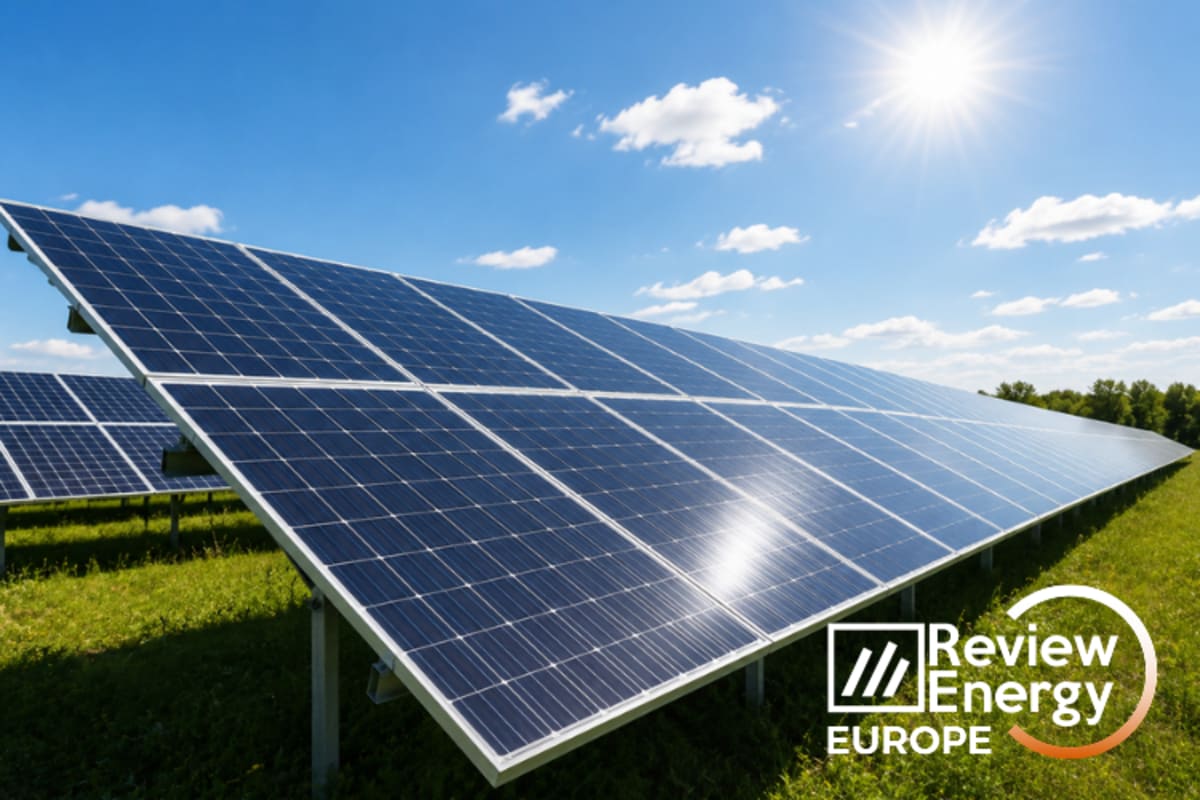
Germany leads the charge with 110,000 wind energy jobs alone, followed by Spain and Denmark. The solar sector reached a record 865,000 workers, growing at 5% annually compared to just 0.8% growth in the broader job market.
Europe stands as the world's second-largest installer and manufacturer of wind equipment. The continent's wind sector employs 279,100 people building turbines, maintaining infrastructure, and developing new projects from the North Sea to the Mediterranean.
Solar jobs have exploded across Germany, Spain, Italy, and Poland as rooftop panels and solar farms spread across the landscape. These aren't temporary positions either—they're skilled trades, engineering roles, and technical jobs that require training and offer career paths.
The Ripple Effect
China may dominate global renewable employment with 43.9% of jobs worldwide, but Europe's approach focuses on homegrown manufacturing and installation expertise. This creates local job opportunities in communities across the continent, from coastal towns building offshore wind farms to rural areas installing solar arrays.
The growth comes despite real challenges like rising costs and supply chain difficulties in offshore wind. Yet the sector keeps expanding because demand keeps climbing as countries race to meet climate goals.
Women now hold 32% of full-time renewable energy jobs, higher than the 23% in oil and gas but still below the 43% global workforce average. The industry is actively working to close this gap, particularly in senior management where women hold just 19% of positions.
The job creation happens against a backdrop of political debate, with some leaders questioning clean energy investments. But the numbers tell their own story: renewable energy is creating careers, generating power, and building a new economic foundation across Europe.
These aren't just statistics—they represent electricians learning new skills, engineers designing innovative systems, and communities hosting projects that provide local employment and clean power simultaneously.
The transition to renewable energy is proving to be not just an environmental shift but an economic one, creating opportunities for workers while reducing dependence on fossil fuels.
Based on reporting by Euronews
This story was written by BrightWire based on verified news reports.
Spread the positivity!
Share this good news with someone who needs it