EU Invests €63B to Connect Europe by Rail and Road
The European Union is spending €63.2 billion to revolutionize how people move across borders, building everything from bike paths to high-speed rail hubs. A new TV series shows how these massive infrastructure projects are making it easier for millions to travel between European cities.
Imagine hopping on a train in Paris, cycling through Warsaw, and taking a tram to Vienna—all on routes funded by your neighbors across Europe.
That's the vision behind the EU's ambitious €63.2 billion investment in transport infrastructure between 2021 and 2027. A new documentary series is taking viewers on a journey across four countries to see these connectivity projects in action.
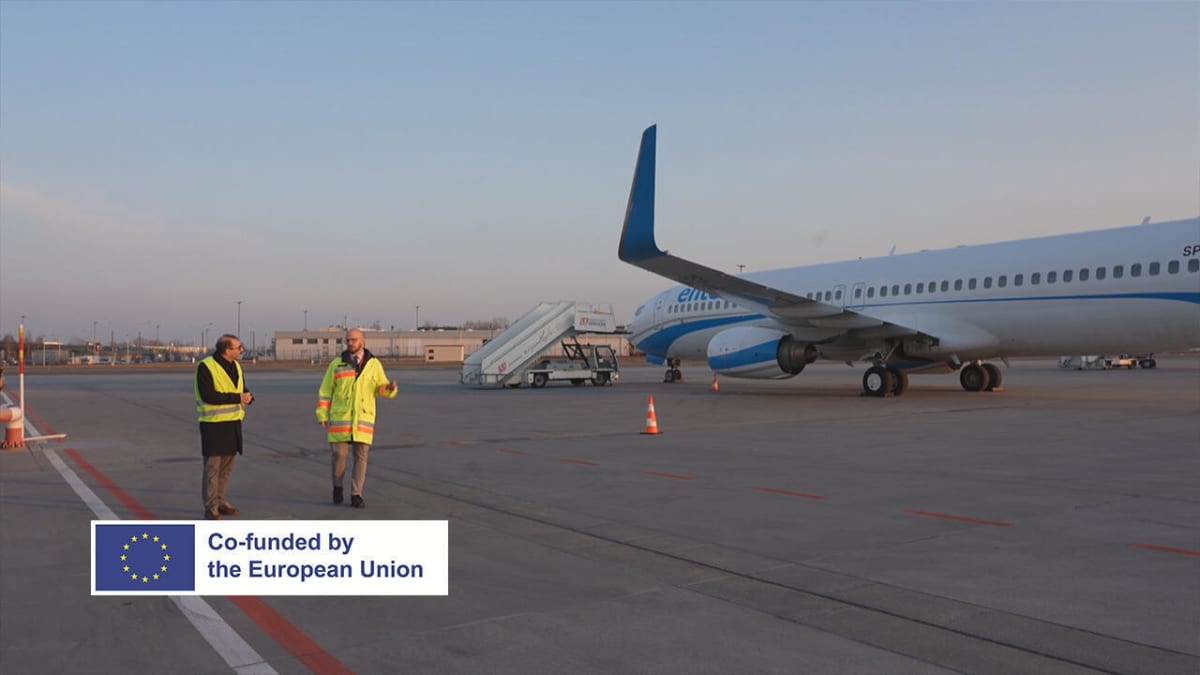
Host Armen Georgian traveled through France, Poland, Hungary, and Austria using seven different modes of transport. His trip started on an EU-funded bike path near Paris and wound through Poland, which has transformed itself into Central Europe's major transport hub.
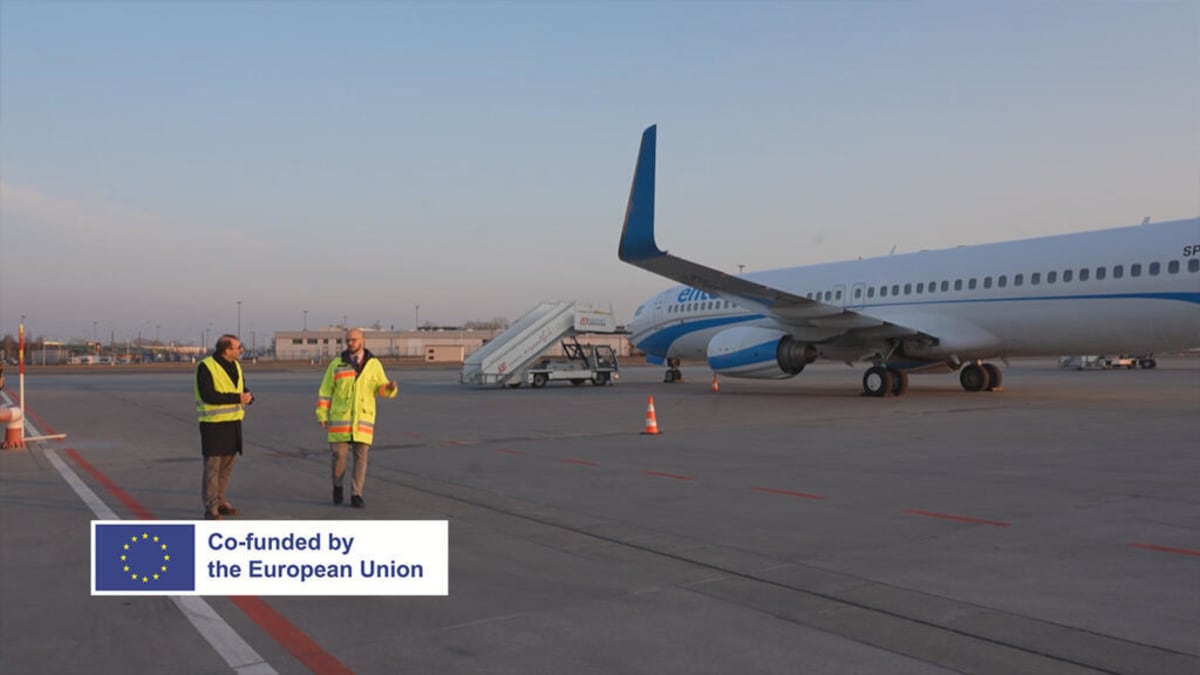
Warsaw Mayor Rafal Trzaskowski appeared on the show to explain how better transit is reshaping Poland's capital. The country is betting heavily on rail transport, with officials seeing it as the future of European mobility.
One standout project is Port Polska, a massive future transport hub currently under construction. When complete, it will strengthen connections within Poland and link the country more efficiently to its European neighbors.
The Ripple Effect
These aren't just roads and rails. They're pathways to opportunity that connect people to jobs, families, and new experiences they couldn't access before.
Poland's transformation shows what's possible when countries invest in moving people efficiently. What was once a region struggling with connectivity is now becoming the crossroads of Central Europe, creating economic opportunities for millions.
The bike paths, metro lines, and rail hubs being built today will serve communities for generations. Students can study in different cities. Workers can commute across borders. Families separated by distance can reunite more easily.
France is seeing similar benefits from its cycling infrastructure, making sustainable transport a realistic daily choice instead of just an environmental dream. When getting around becomes easier and cleaner, everyone wins.
The EU's cohesion policy recognizes that a connected Europe is a stronger Europe. These investments help bridge the gap between richer and developing regions, ensuring that economic growth spreads more evenly across the continent.
By 2027, when this budget cycle completes, the landscape of European mobility will look dramatically different from just a few years ago.
Whether you're boarding a high-speed train, unlocking a bike share, or taking a new tram line, there's a good chance European cooperation helped make that journey possible.
More Images


Based on reporting by France 24 English
This story was written by BrightWire based on verified news reports.
Spread the positivity!
Share this good news with someone who needs it