EU Plan Could Save $2 Trillion by Banning Forever Chemicals
Europe is tackling toxic "forever chemicals" found in our water, food, and blood with a bold plan that could save trillions in health costs. Phasing out these substances by 2040 would eliminate massive healthcare expenses while protecting ecosystems across the continent.
Countries across Europe are finally taking action against invisible pollutants that have been quietly contaminating our bodies for decades, and the financial case for cleaning them up is staggering.
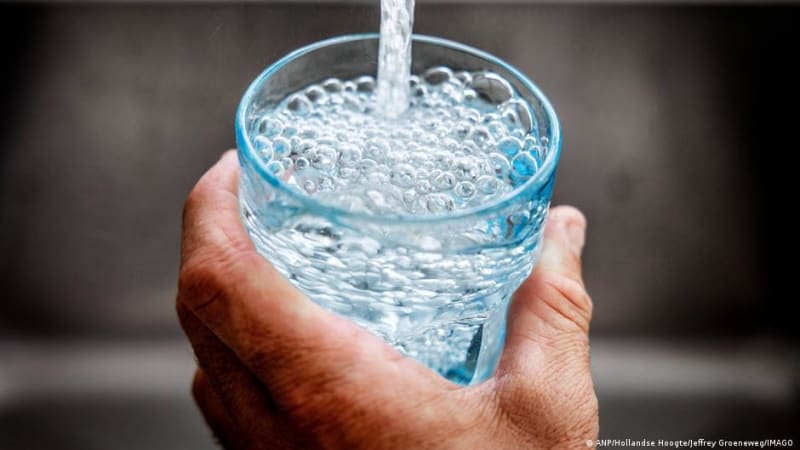
The United Kingdom announced this week it would tackle PFAS pollution with a new action plan to monitor water sources and reduce public exposure to these persistent chemicals. The European Union has gone further, introducing mandatory monitoring of drinking water and considering a sweeping ban on all PFAS proposed by five member nations.
PFAS, or "forever chemicals," are a family of more than 10,000 synthetic substances used in everything from pizza box coatings to outdoor jackets. They earned their nickname because they never break down naturally, accumulating instead in water, soil, air, food, and human blood.
Nearly everyone on Earth now carries PFAS in their bloodstream. Research links exposure to weakened immune systems, fertility problems, developmental harm in children, and increased cancer risks.
The cost of inaction is breathtaking. If Europe continues business as usual, just four common PFAS compounds will generate $47 billion annually in healthcare costs for EU citizens alone. Cleaning up contaminated soil and water from these four substances would cost a total of $2 trillion.
The alternative looks far brighter. Gradually phasing out PFAS production starting in 2030 and completely stopping it by 2040 would reduce long-term healthcare costs to zero. Total costs would drop to $330 billion, a massive savings that doesn't even account for the preserved ecosystems and biodiversity.
Recent testing reveals the scope of contamination. A study of 66 grain products across 16 European countries found that 54 contained high levels of trifluoroacetic acid, a PFAS linked to fetal development issues. Conventional grain products showed contamination levels more than twice as high as organic alternatives.
The good news is that alternatives already exist for many PFAS applications. Germany's environment agency has called for an immediate ban on PFAS-based pesticides, which break down into harmful chemicals that spread easily through rainwater into food supplies.
The Bright Side
What makes this moment hopeful isn't just the recognition of a massive problem. It's that governments are choosing prevention over endless expensive treatment. By investing in a phased elimination now, Europe could save hundreds of billions of euros while protecting future generations from contamination that would otherwise last forever.
The path forward is clear, cost-effective, and increasingly supported by evidence. Countries are finally choosing health over convenience, and the math overwhelmingly supports that decision.
More Images
Based on reporting by DW News
This story was written by BrightWire based on verified news reports.
Spread the positivity!
Share this good news with someone who needs it