EU Plan Could Save €1.7 Trillion by Banning Forever Chemicals
A gradual phase-out of toxic PFAS chemicals by 2040 could eliminate billions in annual healthcare costs while protecting water and food across Europe. New EU limits are already in force, and alternatives exist for many everyday uses.
Europe is finally taking serious action against forever chemicals, and the numbers show why waiting isn't an option.
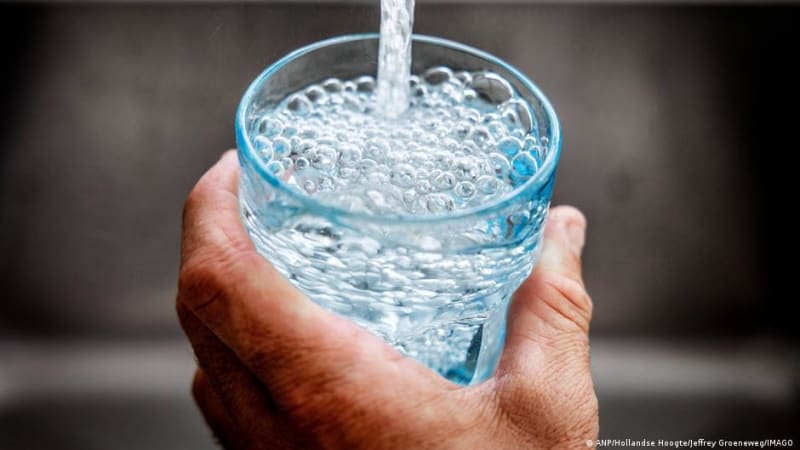
The European Union activated strict new limits for PFAS in drinking water this January, requiring all member states to monitor and report contamination levels. The UK followed with its own action plan Tuesday to track where these chemicals come from and how they spread through the environment.
PFAS are more than 10,000 synthetic chemicals used in everything from pizza boxes to outdoor clothing. They never break down naturally, earning them the "forever" label. Right now, they're in our water, soil, air, food, and blood.
The health stakes are real. Research links PFAS exposure to immune system problems, developmental harm, reduced fertility, and increased cancer risks. Almost everyone on Earth now has measurable PFAS in their bloodstream.
A recent study across 16 European countries found 54 of 66 grain products contaminated with a potentially harmful forever chemical called TFA. This included breakfast cereals, pasta, bread, and flour. Conventionally grown grain showed contamination more than twice as high as organic products.
The financial case for action is staggering. If production continues at current levels, just four PFAS substances will cost EU citizens €40 billion annually in healthcare expenses. That doesn't count the damage to ecosystems or wildlife.
Cleaning up contaminated soil and water from those same four compounds would cost €1.7 trillion total. But there's a better path forward.
The Bright Side
Phasing out PFAS production starting in 2030 and stopping completely by 2040 would drop total costs to €330 billion. Healthcare system costs would eventually fall to zero.
The best part? Alternatives already exist for many PFAS uses. Germany, the Netherlands, Denmark, Norway, and Sweden have proposed a broad EU ban that would accelerate the transition away from these chemicals.
Germany's environment agency confirmed that 27 PFAS pesticides still approved for use are contaminating food supplies. Toxicologists are calling for immediate bans to stop this source of pollution.
The UK plan has critics who say it lacks binding phase-outs and specific timelines, but monitoring systems are now in place across Europe. Every country that tracks PFAS can make smarter decisions about protecting public health.
Progress is happening, and the economic math makes the choice clear: invest in phasing out forever chemicals now, or pay exponentially more in healthcare costs and environmental cleanup for generations.
More Images
Based on reporting by DW News
This story was written by BrightWire based on verified news reports.
Spread the positivity!
Share this good news with someone who needs it