EU Project Makes Battery Breakthrough for EVs and Planes
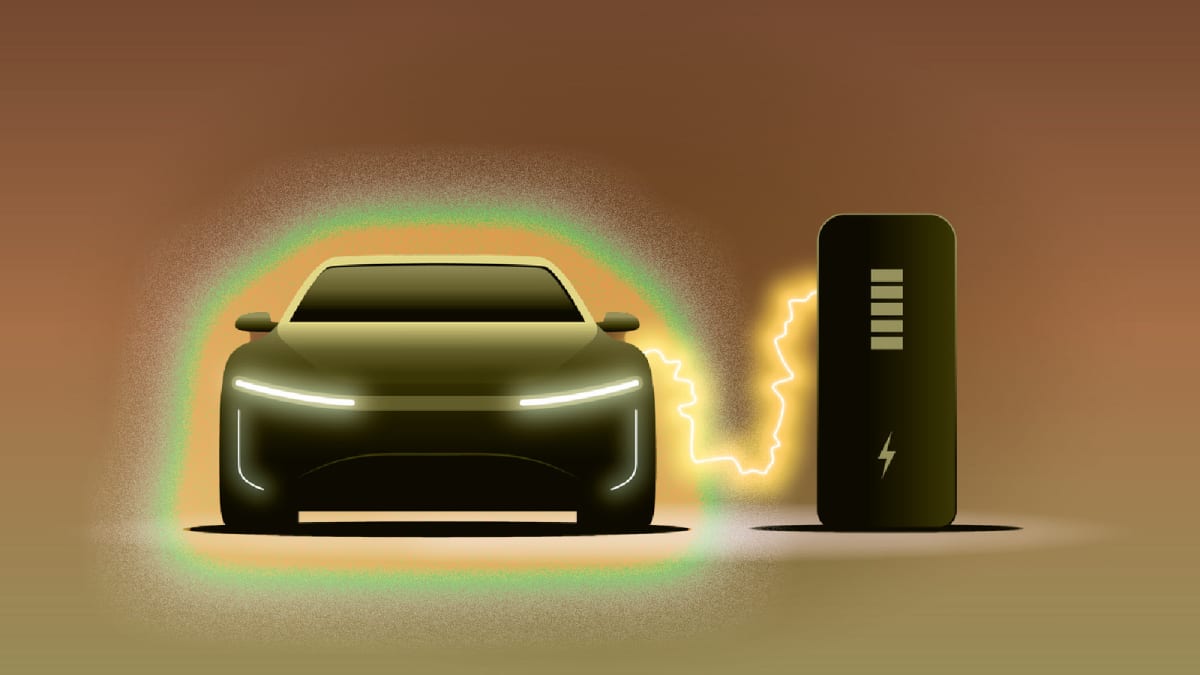
European researchers just secured critical battery samples that could transform electric vehicles and aircraft with safer, longer-lasting power. The RESiLiTE project is developing battery packs that charge faster, last longer, and work in extreme temperatures.
Scientists working on a groundbreaking European battery project just hit a milestone that could make electric vehicles and aircraft safer and more efficient than ever before.
The EU-funded RESiLiTE project recently received battery cell samples at facilities in Bonn, Germany, marking a crucial step toward creating next-generation battery packs. Launched in July 2025, the project aims to solve some of the biggest challenges holding back electric transportation today.
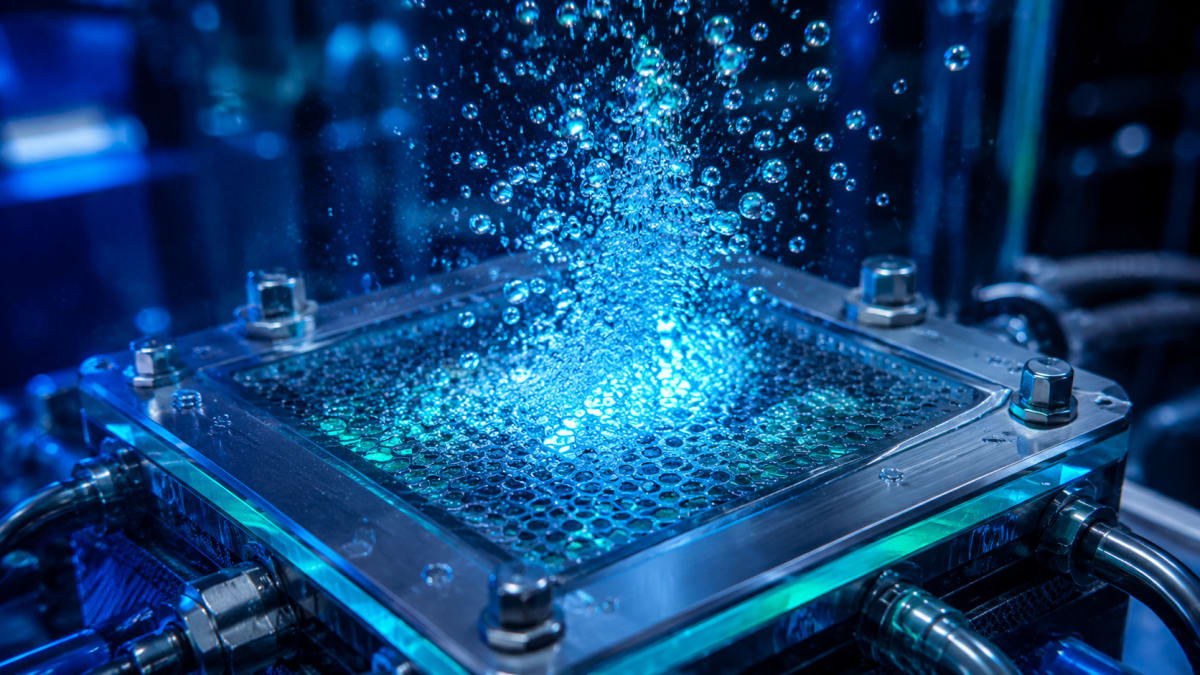
Current battery packs face real limitations. They don't hold enough energy for truly long trips, they struggle in extreme temperatures, and safety concerns remain. These new batteries are designed to change all that with higher energy density, wider temperature ranges, and improved thermal efficiency.
The samples are now being tested at RWTH Aachen University, where researchers are gathering data to fine-tune how the batteries charge and discharge. This testing is essential for ensuring the batteries can handle fast charging without degrading or becoming unsafe over time.
Since the project kicked off last year, the team has already defined technical requirements and started designing the full battery pack architecture. They're also developing advanced battery management systems that will monitor performance and protect against damage while extending the battery's lifespan.
Development engineer Stefano Piacquadio from project coordinator Kautex Textron says the project is on track to create a prototype ready for industrial production. The team is advancing packaging efficiency and diagnostic capabilities that could set new standards for the industry.
The Ripple Effect
This research goes beyond just better batteries. The RESiLiTE project supports the broader BATT4EU Partnership, which aims to build a competitive, sustainable European battery industry from the ground up. Creating this battery value chain means Europe can produce its own advanced batteries for electric vehicles and energy storage without relying on imports.
The improvements will help speed up Europe's shift toward zero-emission transportation, supporting the European Green Deal's climate goals. Longer driving ranges and faster charging could convince more people to switch to electric vehicles, reducing carbon emissions from transportation across the continent.
The technology being developed could also enable electric aircraft, opening up an entirely new frontier for clean aviation. Batteries that work efficiently at high altitudes and in extreme temperatures are essential for making electric flight practical.
The RESiLiTE project runs through mid-2028, with 2026 focused on finalizing the battery pack's design and architecture. By the time this project wraps up, the technology could be ready to roll out in real vehicles and aircraft, bringing cleaner transportation closer to reality for millions of people.
Based on reporting by Google News - Electric Vehicle
This story was written by BrightWire based on verified news reports.
Spread the positivity!
Share this good news with someone who needs it