EU Sets Ambitious 86% Emission Cut Target for 2040
Europe is charting a faster path to clean energy than expected, with scientists recommending an 86% emissions cut by 2040. The ambitious roadmap includes a seven-fold boost in wind and solar power within 16 years.
Europe is accelerating its journey to becoming the world's first climate-neutral continent, and new research shows the path forward is both ambitious and achievable.
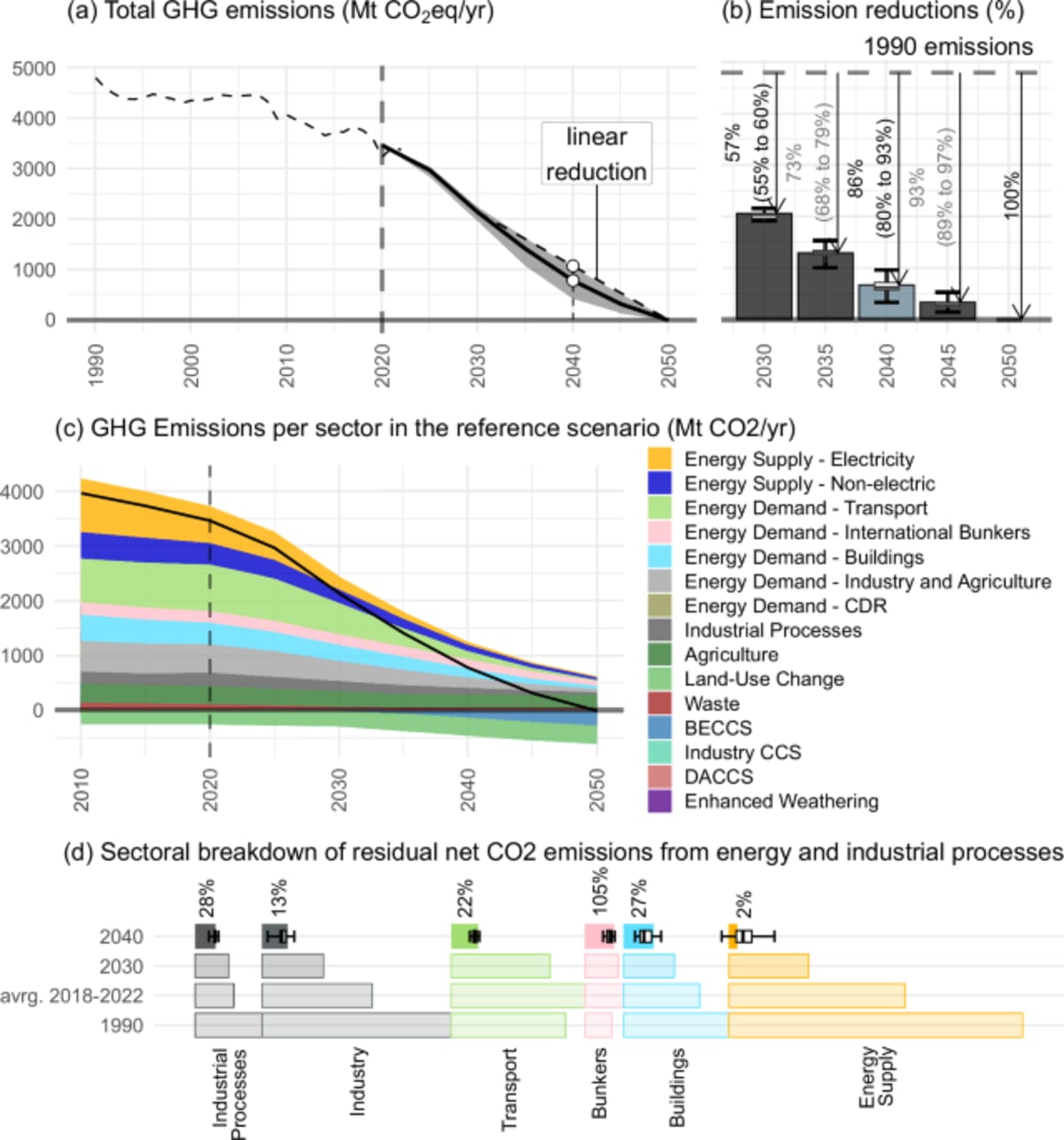
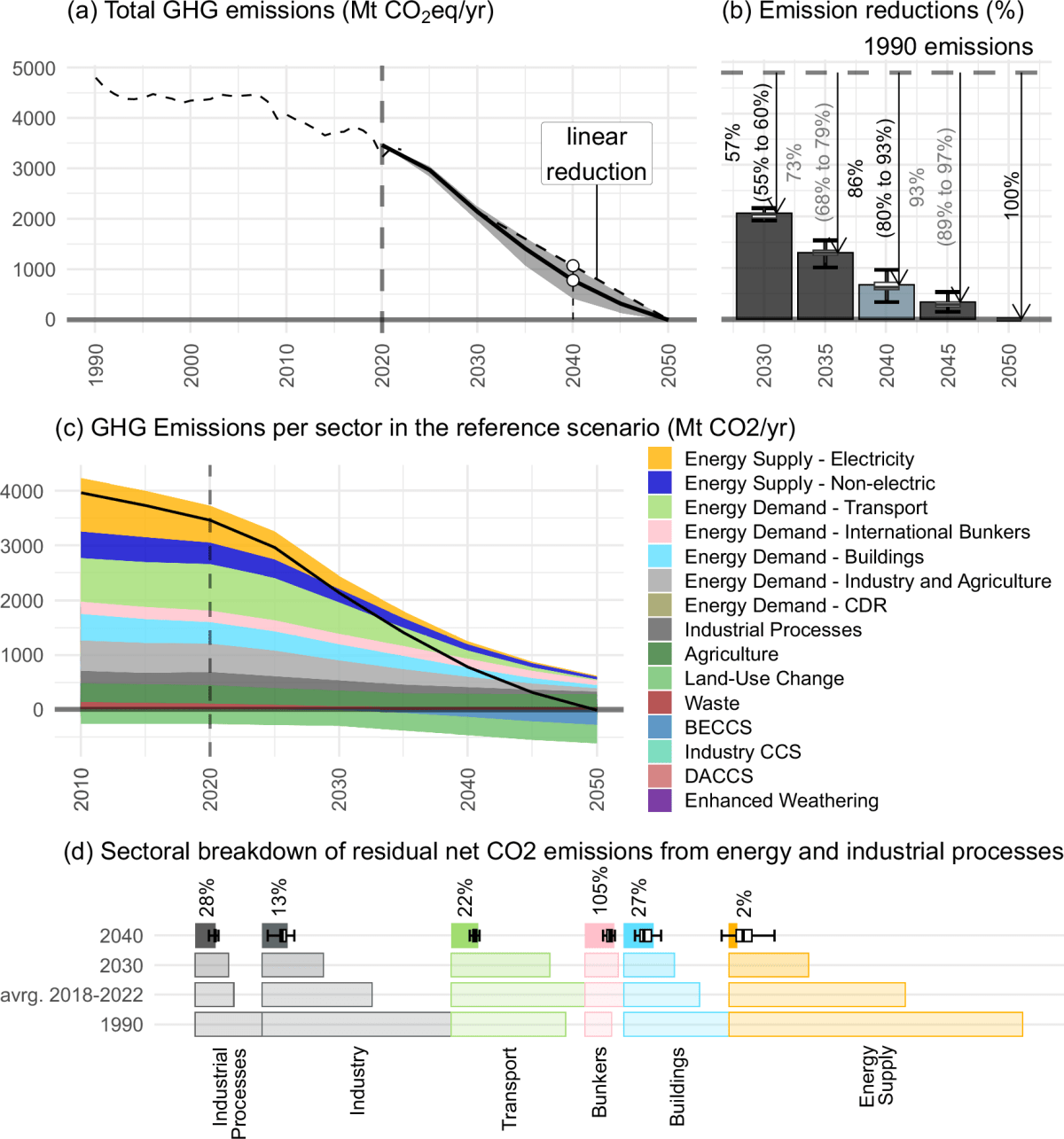
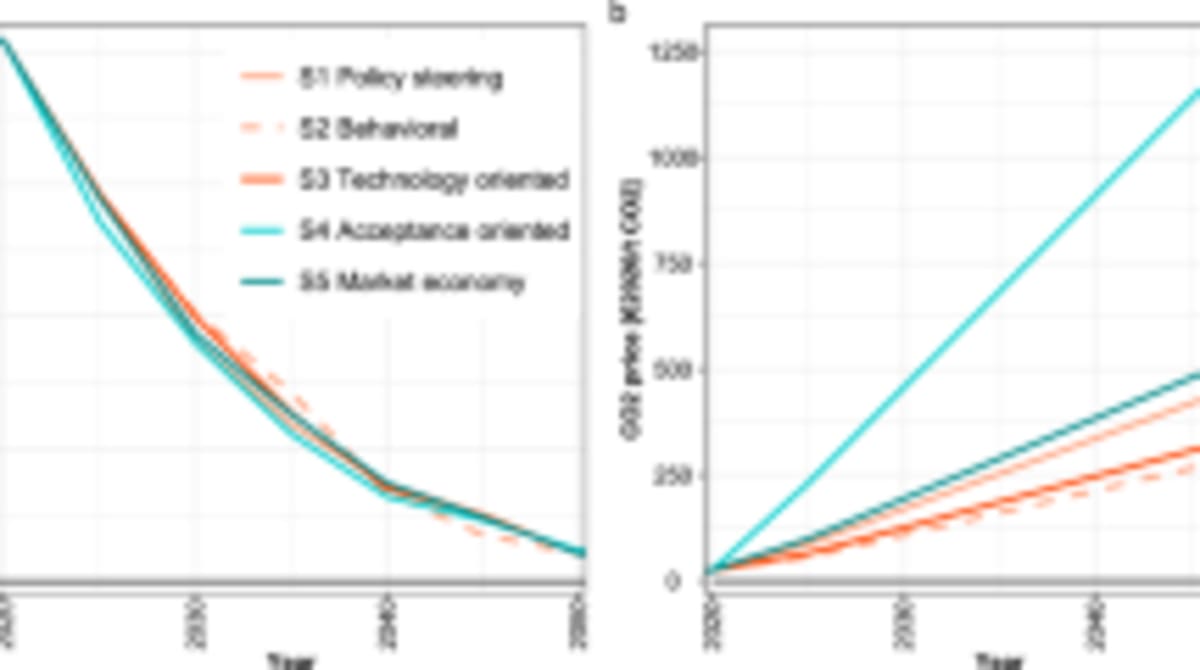
A groundbreaking study published in Nature reveals that the European Union should aim to cut greenhouse gas emissions by 86% by 2040 compared to 1990 levels. That's far more aggressive than the 78% reduction a simple timeline would suggest, but scientists say it's the most cost-efficient way to reach the EU's net-zero goal by 2050.
The research comes at a crucial moment. While Europe has set bold targets for 2030 and 2050 through its European Green Deal, the continent needed a clear milestone for 2040 to keep transformation on track and prevent costly delays.
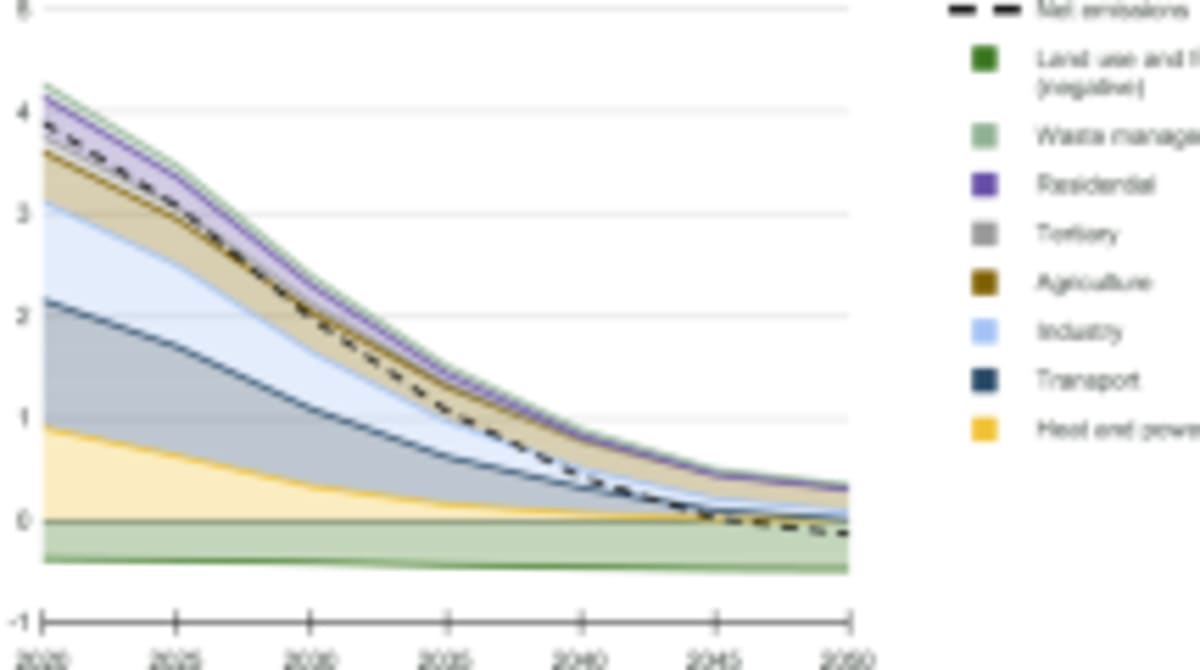
Scientists used advanced modeling to map out what achieving climate neutrality actually looks like sector by sector. Their findings paint a picture of dramatic but feasible change powered by clean technology already available today.
The energy transformation is particularly striking. Wind and solar electricity generation needs to expand seven-fold by 2040, a massive but manageable increase given current growth rates. Nearly half of all energy used across Europe would come from electricity, up from today's much smaller share.
The Ripple Effect
This ambitious roadmap does more than fight climate change. It positions Europe to lead the global clean energy economy while reducing dependence on imported fossil fuels.
The study's timing proved perfect. European policymakers reached a provisional agreement on the 2040 target by late 2025, using this research to inform their decisions. As home to nearly one-sixth of the global economy, Europe's choices ripple outward, inspiring climate action worldwide.
The research also addresses practical challenges. It accounts for uncertainties in technology costs, energy demands, and policy effectiveness. Even in more conservative scenarios, the study found that emission cuts of at least 80% by 2040 remain essential.
Carbon capture and storage technology also plays a supporting role, ramping up to handle 188 million tons of CO2 annually. This helps tackle emissions from industries that are hardest to clean up through electrification alone.
The plan builds on policies already moving forward, including expanded emissions trading, tighter vehicle standards, and the RePowerEU initiative launched after Russia's invasion of Ukraine to end dependence on Russian fossil fuels.
Scientists emphasize that intermediate targets matter enormously. They ensure action happens now rather than later, preventing investments in fossil fuel infrastructure that would become useless or create financial losses down the road.
Europe is proving that continental-scale climate action is possible with clear targets, smart policies, and technology we already have. The 2040 milestone transforms a distant 2050 goal into concrete steps the continent can start taking today.
More Images
Based on reporting by Google News - Emissions Reduction
This story was written by BrightWire based on verified news reports.
Spread the positivity!
Share this good news with someone who needs it