EU Shifts Billions From Fighting Fires to Preventing Them
After Europe's worst wildfire season on record, the EU is rewriting its strategy to stop catastrophic fires before they start instead of just fighting them. The shift redirects billions toward land management and prevention rather than planes and firefighters. #
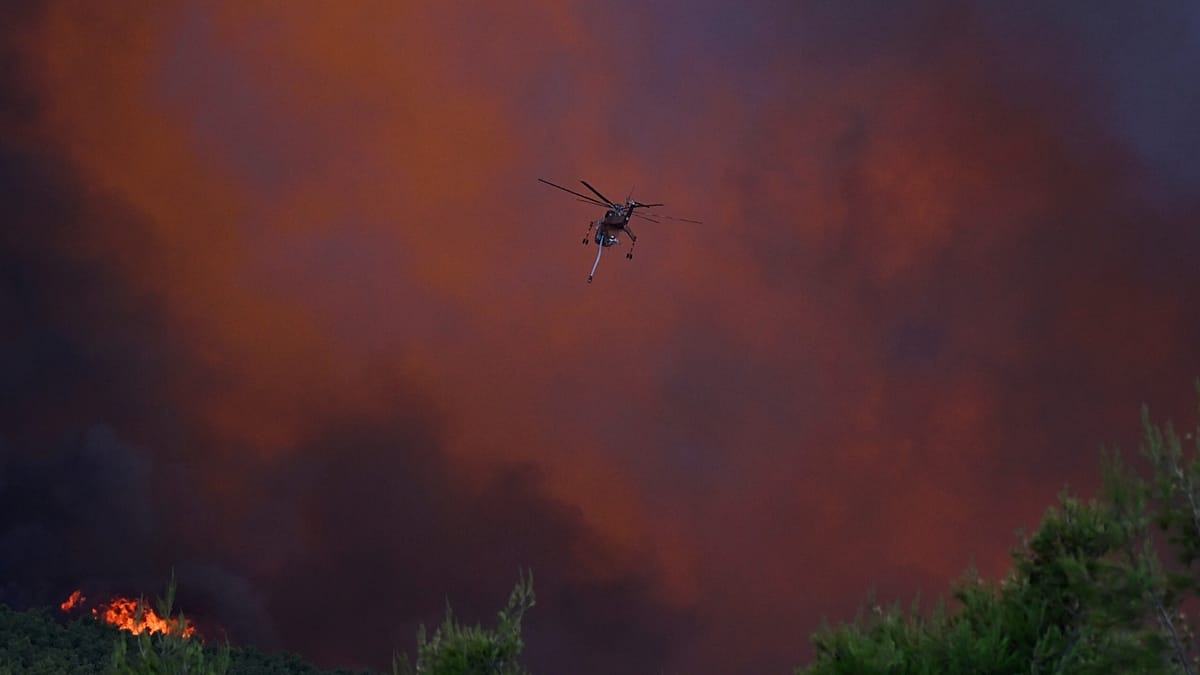
Europe just rewrote its approach to wildfires after watching more than one million hectares burn in 2025, the worst season since records began.
Instead of buying more planes and hiring more firefighters, the European Union is now betting billions on a radical idea: stop catastrophic fires before they start. The shift marks the first time in decades that prevention gets priority over response.
The math behind the change is simple. Once a fire ignites under hot, dry, windy conditions, no amount of aircraft or crews can guarantee control. Alexander Held, a forester who has spent 25 years working on fire policy across Europe, points to the recent overlapping fires from Portugal to Greece to Germany as proof that even the best fire services get overwhelmed.
For decades, EU wildfire funding went overwhelmingly toward suppression because it was easier to justify. Buying a fire truck or helicopter is straightforward, while investing in land management and fuel reduction requires patience and sustained commitment.
Portugal broke that pattern by shifting roughly half its wildfire budget into prevention work rather than firefighting alone. The EU decided to make that the standard across the continent.
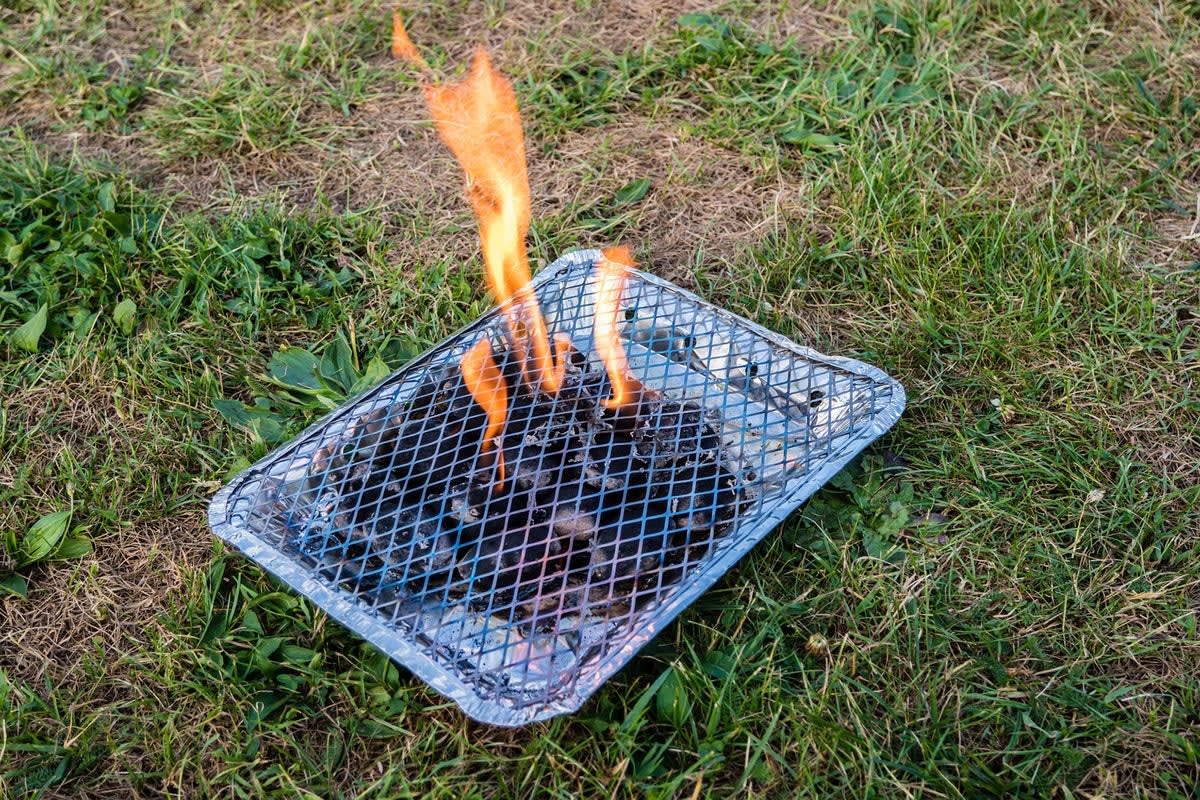
In March 2026, the European Commission launched its Integrated Wildfire Risk Management strategy with prevention as the first pillar. The timing reflects three urgent realities: climate change is making fires hotter and longer, an estimated 96 percent of ignitions stem from negligence or arson, and fires now spread well beyond the Mediterranean into Germany, Sweden, and even Iceland.
The new approach translates into concrete funding already flowing through multiple EU channels. Money now pays for fuel reduction, firebreaks, targeted grazing, forest thinning, and landscape restoration across Spain, Portugal, Italy, and Sicily.
About 35 percent of the EU's next long-term budget targets climate and environment work, including close to €19 billion in cohesion funds for climate adaptation. The hardest-hit regions get fast-tracked access.
The Ripple Effect
The strategy's impact extends beyond containing flames. Held points to Germany, which spends around €30 million annually fighting recurring fires on contaminated land. Halving just one of those fires would free up €15 million for prevention work that benefits entire communities.
Prevention projects create jobs for foresters, farmers, and land planners while reducing the smoke, evacuations, and ecosystem damage that come with catastrophic fires. The work also restores landscapes and creates firebreaks that protect both wilderness and towns.
The Commission is reinforcing its satellite-based early warning system and plans to launch a dedicated EU portal by 2027 to help member states share funding routes and lessons learned. Response capacity continues with twelve new firefighting planes and five helicopters, but the goal has flipped: the point is not to fight more fires but to prevent them from becoming disasters.
Implementation challenges remain, including fragmented governance across departments and permitting bottlenecks for tools like prescribed burning. Prevention also needs recurring maintenance funding, which one-off investment programs struggle to provide.
Still, the Commission's climate spokesperson Anna-Kaisa Itkonen is clear about the new priority order: preparedness matters more than response, and that shift is already reshaping how Europe protects its forests and communities.
#
Based on reporting by Euronews
This story was written by BrightWire based on verified news reports.
Spread the positivity!
Share this good news with someone who needs it