EU Solar Hits Record 12.5% as Fossil Fuel Use Drops
Solar power just smashed records across Europe, now generating more than 12% of the continent's electricity and helping slash emissions to their lowest point in decades. The surge is slowly breaking the grip fossil fuels have held on energy prices for generations.
Europe's solar revolution just hit a milestone that seemed impossible a decade ago.
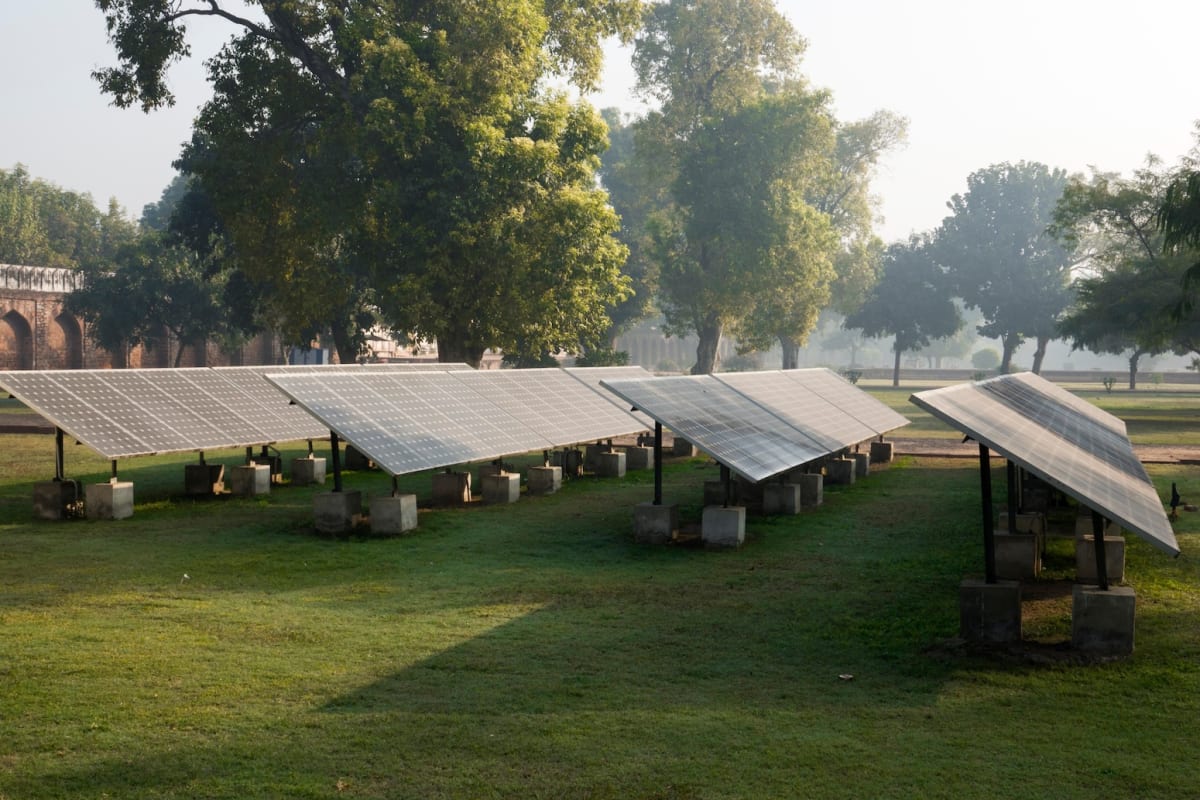
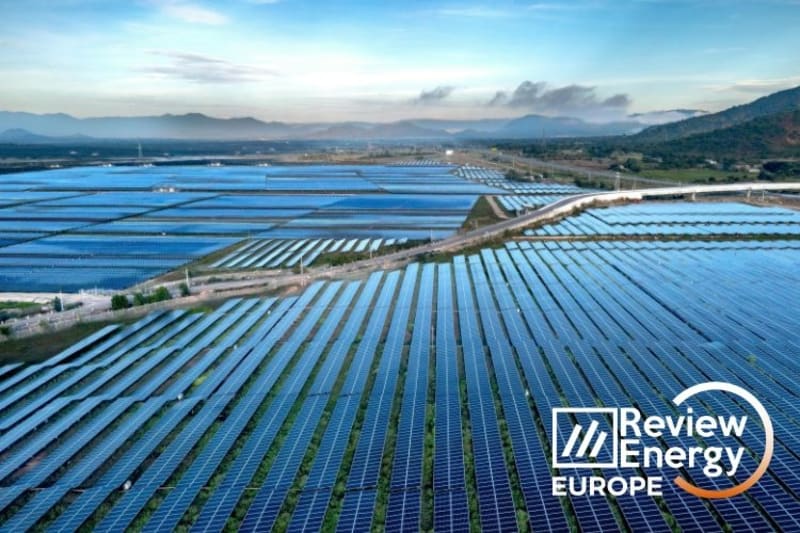
In 2025, solar panels across the European Union generated more than 340 terawatt hours of electricity, accounting for 12.5% of the entire power mix. That's the highest share solar has ever reached, and the year-over-year growth alone could power all of Portugal for an entire year.
The numbers tell a story of transformation. Power sector emissions now sit at just 45% of what they were in 1990, the result of three decades of steady progress away from coal and gas. Solar's surge helped offset drops in wind and hydropower, keeping fossil fuel use in check even when nature didn't cooperate.
Perhaps more exciting than the raw numbers is what's happening to electricity prices. For years, European power costs rose and fell with the price of natural gas. In 2019, about 74% of hours saw electricity prices tied to gas costs. By 2025, that dropped to just 32%.
Solar is literally decoupling Europe's energy system from volatile fossil fuel markets. On sunny days, wholesale electricity prices dropped so low that 3.3% of hours saw negative pricing, meaning producers sometimes paid the grid to take their clean power.
Nuclear generation held steady at 24%, providing reliable baseload power alongside the growing renewable fleet. Together, these carbon-free sources are rewriting the rules of Europe's energy system.
The Ripple Effect
This shift means more than just cleaner air and lower emissions. Families and businesses across the continent are becoming less vulnerable to global gas price shocks and geopolitical tensions. The energy security Europe desperately sought is being built one solar panel at a time.
The transition isn't without growing pains. Electricity demand stayed flat in 2025, about 7% below 2021 levels, as industries slowly recovered and efficiency improvements reduced consumption. Price volatility remains an issue, with some hours still seeing spikes above €150 per megawatt hour.
Energy experts say the solution lies in flexibility. Battery storage, demand response systems, and smarter grids can smooth out the ups and downs that come with weather-dependent power sources. Investment in these technologies is ramping up across the continent.
"Renewables are reducing Europe's exposure to fossil fuel prices," said Kristian Ruby, Secretary General at Eurelectric, the group that compiled the data. The challenge now is stimulating enough electricity demand to keep investments flowing and decarbonization on track.
Every percentage point solar gains represents thousands of tons of carbon kept out of the atmosphere and millions of euros no longer flowing to fossil fuel producers. Europe is proving that a cleaner, more independent energy future isn't just possible—it's already happening.
Based on reporting by Google News - Solar Power Record
This story was written by BrightWire based on verified news reports.
Spread the positivity!
Share this good news with someone who needs it