EU Stays Strong on Russian Energy Despite Crisis
The European Union is doubling down on its decision to move away from Russian oil and gas, even as energy prices climb. European Commissioner Valdis Dombrovskis says the bloc won't backtrack on sanctions for cheaper fuel.
Europe is sticking to its guns on Russian energy independence, even when the easy path would be turning back.
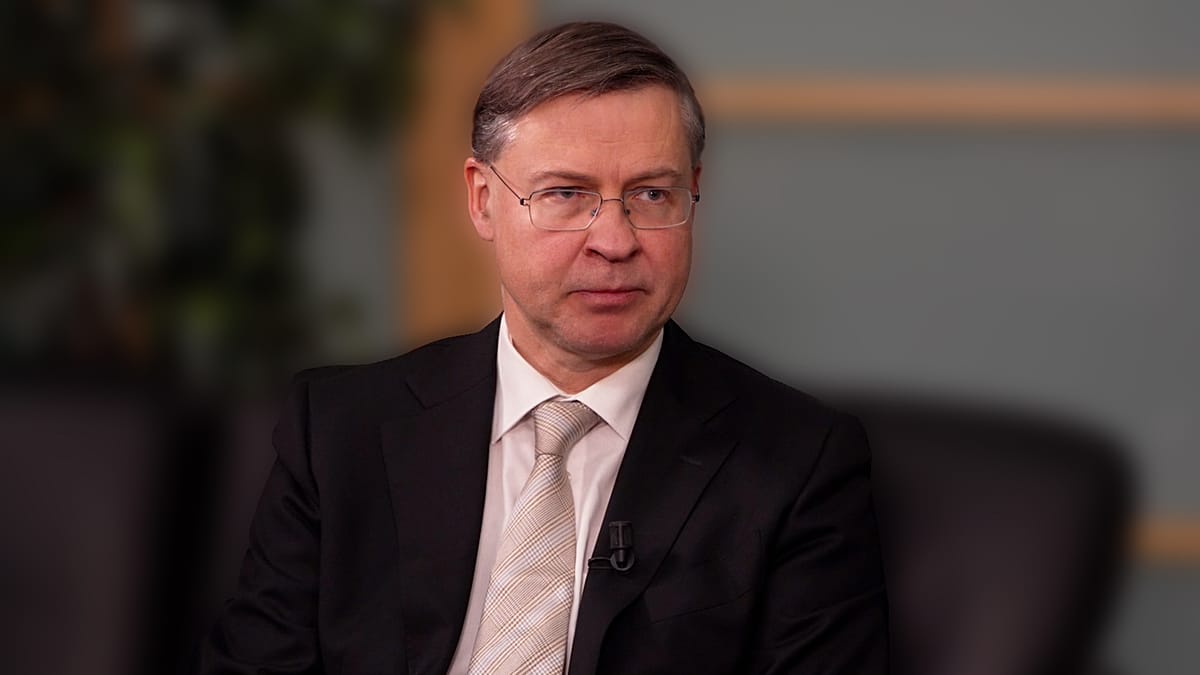
European Commissioner for the Economy Valdis Dombrovskis told Euronews this week that the EU will not seek relief from the current energy crisis by buying cheap Russian fossil fuels. Instead, he says sanctions against Russia should actually get stronger, not weaker.
"Russia is a country benefiting from this conflict in the Middle East and those higher energy prices, getting substantial windfall profits," Dombrovskis explained. "We should not facilitate it further."
The backdrop makes this stance even more significant. Europe faces its second major energy crisis in five years as Middle East tensions drive up prices. Households across the continent are dealing with rising energy bills, and Italy's Prime Minister Giorgia Meloni has urged the EU to relax budget rules to help countries cope with the costs.
But Dombrovskis is holding firm on the strategic decision. He pointed to 2022, when Russia tried to use its energy supplies as leverage against Europe. "We paid a quite dear economic price for having this dependency from Russia, so therefore there's no point of going back to this," he said.
The Bright Side
Europe's commitment shows how crisis can accelerate positive change. The continent has made remarkable progress in breaking free from Russian energy dependence since 2022. EU lawmakers are now pushing to ban all remaining Russian gas flows by 2027 and phase out oil imports even earlier than originally planned.
The good news? Dombrovskis confirmed there's no risk of blackouts, a major concern during the 2022 crisis. Europe's energy infrastructure has grown stronger and more resilient. The transition to alternative energy sources, while challenging, is working.
The commissioner said the EU is listening to concerns from member states like Italy and looking at "appropriate policy response" that would be "temporary and targeted." Support is coming, but not at the cost of long-term energy independence.
This moment proves that sometimes the harder path leads somewhere better—a Europe less vulnerable to energy manipulation and closer to genuine energy security.
Based on reporting by Euronews
This story was written by BrightWire based on verified news reports.
Spread the positivity!
Share this good news with someone who needs it