EU Unites for Faster Health Response After Cruise Outbreak
After a hantavirus outbreak on a cruise ship, European countries are working together to coordinate health responses across borders. Health experts confirm the virus is contained and not a pandemic threat like COVID-19.
When a hantavirus outbreak struck passengers aboard the MV Hondius cruise ship, European nations showed they learned important lessons from the pandemic. Instead of scrambling separately, countries activated emergency coordination systems that safely brought passengers home and protected public health.
All infected passengers have now returned to their home countries for care and monitoring. Two passengers in France and Spain developed symptoms during quarantine and are receiving hospital treatment, while European health agencies confirm everyone from the ship has been located and is following proper medical protocols.
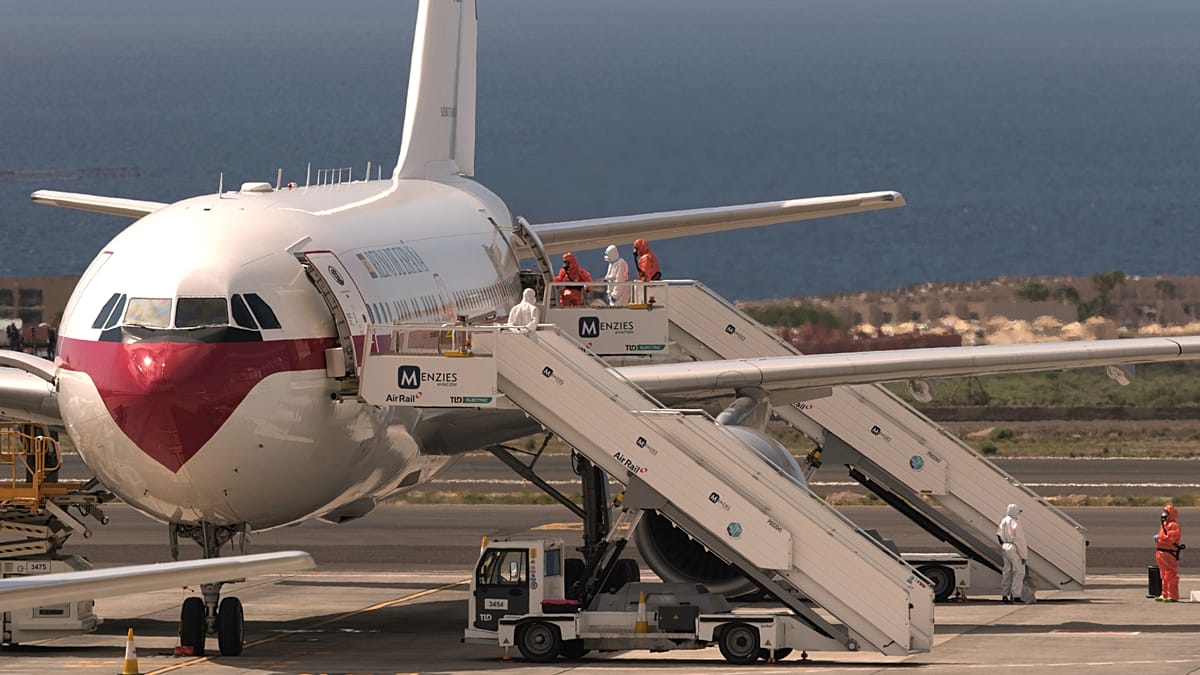
The European Union activated its Civil Protection Mechanism, turning crisis into coordination. France, the Netherlands, Greece, and Ireland worked together on evacuation flights, with Tenerife South Airport serving as the central hub for the complex operation.
Health experts are working hard to reassure the public this situation differs completely from COVID-19. Professor Luke O'Neill from Trinity College Dublin told reporters his advice is simple: "Don't worry." The virus spreads only through close, intimate contact, not through the air like coronavirus.
The World Health Organization's Maria Van Kerkhove emphasized the critical difference. "This is not SARS-CoV-2. This is not the start of a COVID pandemic. This is an outbreak that we see on a ship," she said during a press conference.
European officials see this as proof their health security investments are working. The quick response prevented panic and contained the outbreak while respecting that passengers had already spent a month away from loved ones under difficult conditions.
The Bright Side
This crisis revealed something hopeful about how far Europe has come since the pandemic. Countries that once struggled to share information now work seamlessly together, coordinating evacuations and treatments across borders within days.
The EU's new Global Resilience Initiative, announced during the response, aims to strengthen this cooperation even further. European Commissioner Hadja Lahbib captured why this matters: "Health threats can easily cross borders, and that is why coordination is key."
Investigators now believe one passenger caught the virus while traveling in Argentina before boarding, then unknowingly passed it to others on the ship. Understanding this transmission pattern will help prevent similar outbreaks in the future.
Countries are already discussing how to standardize their response protocols while respecting each nation's unique healthcare systems and circumstances. Some passengers quarantine at military hospitals while others safely isolate at home with proper medical oversight.
The European Centre for Disease Prevention and Control continues studying how passengers became infected and learning more about the virus itself. Each answer brings better protection for future travelers and stronger systems for whatever health challenges come next.
What looked like a potential crisis became a testament to preparation, cooperation, and care working together.
More Images

Based on reporting by Euronews
This story was written by BrightWire based on verified news reports.
Spread the positivity!
Share this good news with someone who needs it