Europe and Japan Team Up to Study Asteroid Apophis in 2029
Two major space agencies just signed a historic agreement to send a spacecraft to asteroid Apophis during its rare close flyby of Earth. The mission will gather crucial data to help protect our planet from future asteroid threats.
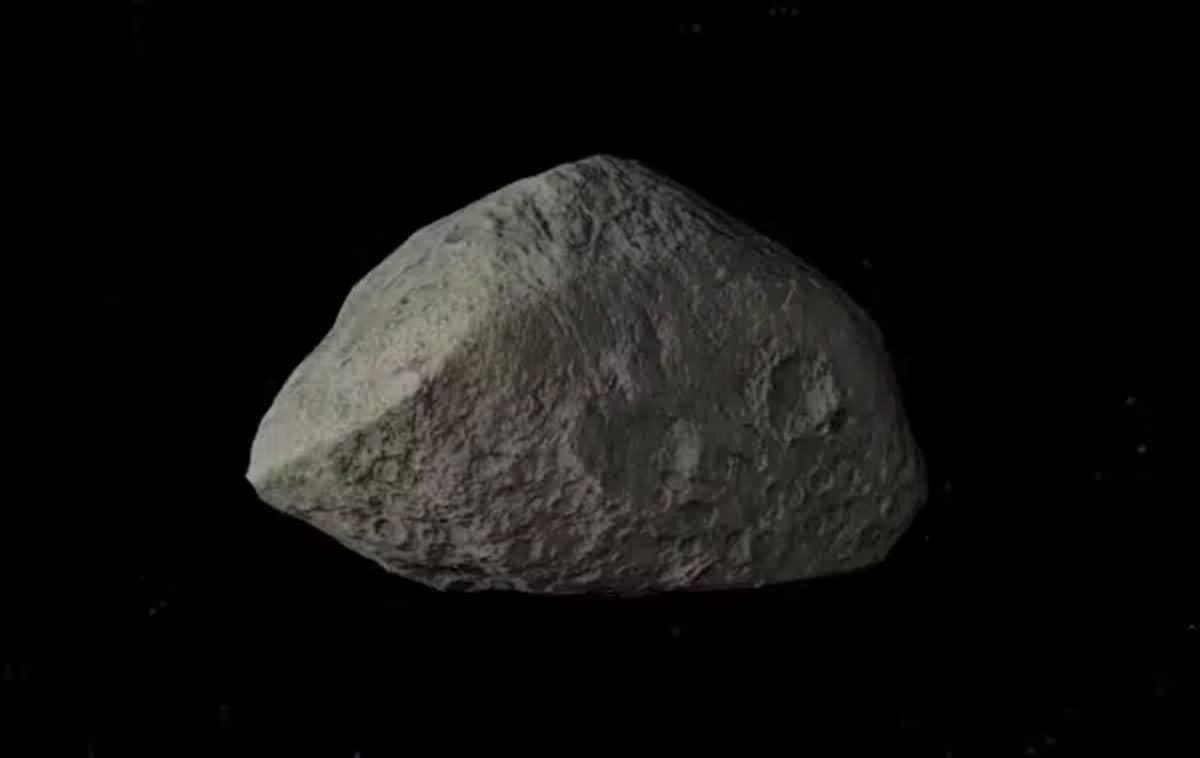
On May 7, 2026, the European Space Agency and Japan's space program made planetary defense a reality by joining forces for an unprecedented asteroid mission. Their target is Apophis, a 375-meter-wide space rock that will zoom past Earth in April 2029 at just 32,000 kilometers away—closer than many satellites orbit our planet.
The Ramses spacecraft will launch in 2028 to meet Apophis during this once-in-5,000-years event. As the asteroid passes through Earth's gravitational field, scientists will watch in real time as gravity reshapes its surface and alters its spin—data that's never been collected before.
This isn't just about one asteroid. The mission represents a new era of international cooperation to protect Earth from space threats that don't respect national borders.
ESA Director General Josef Aschbacher captured the spirit of the partnership perfectly: "Planetary defense is, by definition, a global responsibility. With today's signatures, ESA and JAXA are moving decisively from shared intention to concrete implementation."
Japan will contribute lightweight solar arrays and an infrared camera to the mission. Europe will handle spacecraft design, integration, and flight operations, building on their successful collaboration on the Hera mission.
The timing couldn't be better. ESA's Near-Earth Object Coordination Centre already tracks potential asteroid threats, and the data from Apophis will sharpen their predictions and improve deflection techniques for any future hazards.
The Ripple Effect
This mission showcases how space exploration brings nations together for humanity's common good. The partnership between ESA and JAXA creates a blueprint for future planetary defense missions, proving that when countries pool their expertise and resources, they can tackle challenges no single nation could manage alone.
The knowledge gained from studying Apophis will inform Earth's defense strategies for generations. Scientists will learn exactly how to predict asteroid behavior near Earth and refine techniques to redirect dangerous space rocks before they become threats.
As the 2029 flyby approaches, researchers worldwide will have a front-row seat to observe how our planet's gravity sculpts a massive asteroid in ways we've only theorized about until now.
Together, Europe and Japan are turning the rare Apophis encounter into a shield for our shared home.
More Images



Based on reporting by Google News - Science
This story was written by BrightWire based on verified news reports.
Spread the positivity!
Share this good news with someone who needs it