Europe Invests Big in Renewables After Energy Crisis
After energy costs surged €22 billion in just 44 days, Europe is accelerating its shift to clean power that can't be blocked by global conflicts. Fifteen nations are backing nuclear alongside renewables to build an energy system that prevents future crises instead of just managing them.
Europe just turned an energy crisis into a launching pad for its clean energy future.
When the Strait of Hormuz closed during a US-Iran conflict, European energy bills jumped by €22 billion in 44 days. But instead of scrambling for more fossil fuels, Brussels decided to solve the problem permanently.
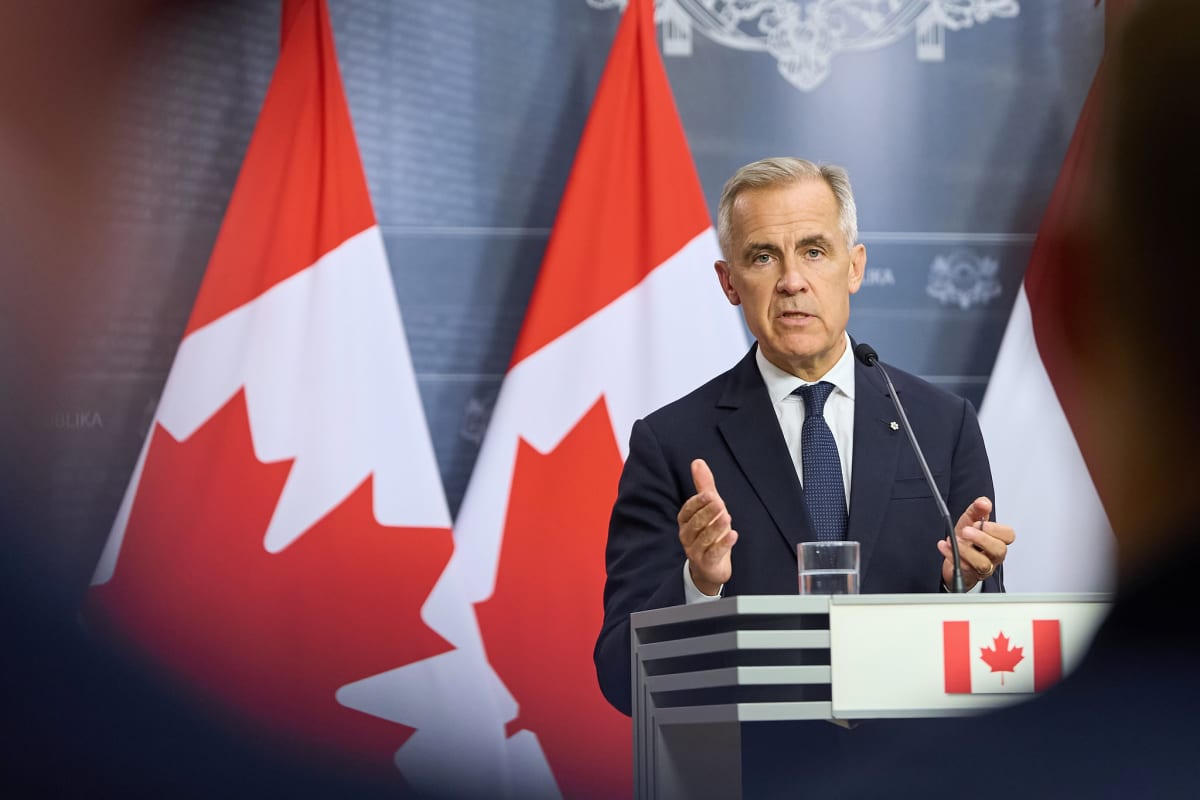
European Commission President Ursula von der Leyen pointed out the obvious problem with the current system. Europe paid an extra €22 billion for fossil fuel imports and got no additional energy for it.
The solution is already working. Renewables and nuclear now provide over 70% of Europe's electricity, proving the continent doesn't need to depend on fuel that can be cut off by conflicts halfway around the world.
Brussels is fast-tracking a grid modernization package this summer to fix three key problems: limited storage, outdated infrastructure, and wasted clean power. When the grid can't handle all the renewable energy being generated, that power simply disappears.
Nuclear energy is making a comeback as part of the clean energy mix. Fifteen European nations formed the European Nuclear Alliance to support the technology, with plans to deploy Small Modular Reactors in the early 2030s.
The immediate crisis response includes coordinated gas storage, shared oil reserves, household income support, and faster approval for state aid. But European leaders are clear that managing shocks isn't the goal anymore.
The Ripple Effect
This marks Europe's second major energy crisis in three years, but this time the response looks completely different. Instead of temporary fixes, Brussels is building an energy system that future conflicts can't disrupt.
When clean energy comes from domestic sources like wind, solar, and nuclear, no foreign crisis can suddenly double the bills. The technology that helps the climate also protects national security and household budgets.
The emergency pushed Europe to move faster on changes that were already needed. Grid upgrades and storage solutions that might have taken years to approve are now on a summer timeline.
Other regions watching their own energy costs spike now have a roadmap. Building energy independence through renewables and nuclear isn't just good for the planet; it's the smartest economic defense against global instability.
Europe is proving that the best time to fix a broken system is right now.
Based on reporting by Euronews
This story was written by BrightWire based on verified news reports.
Spread the positivity!
Share this good news with someone who needs it