Europe Launches Map to Fast-Track Clean Energy Projects
A new digital platform now shows developers exactly where Europe's power grids have room for solar, wind, and battery projects. The tool covers 27 countries and could dramatically speed up the shift to renewable energy.
Finding space on Europe's power grid for new solar farms and wind turbines just got infinitely easier.
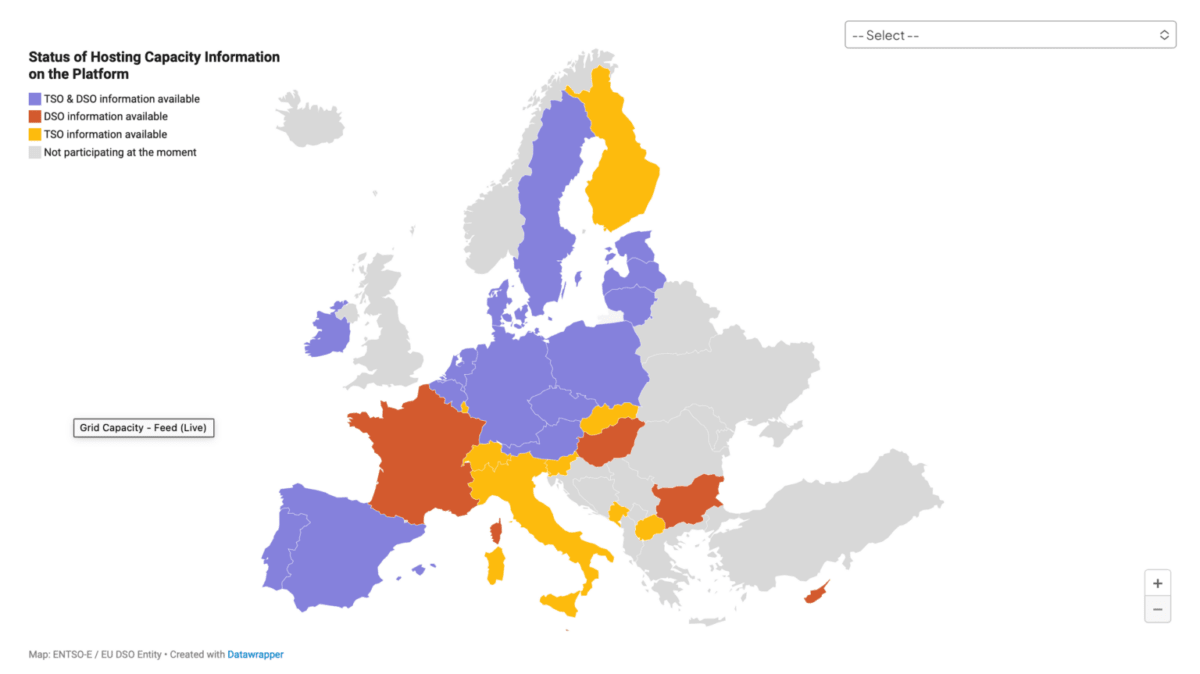
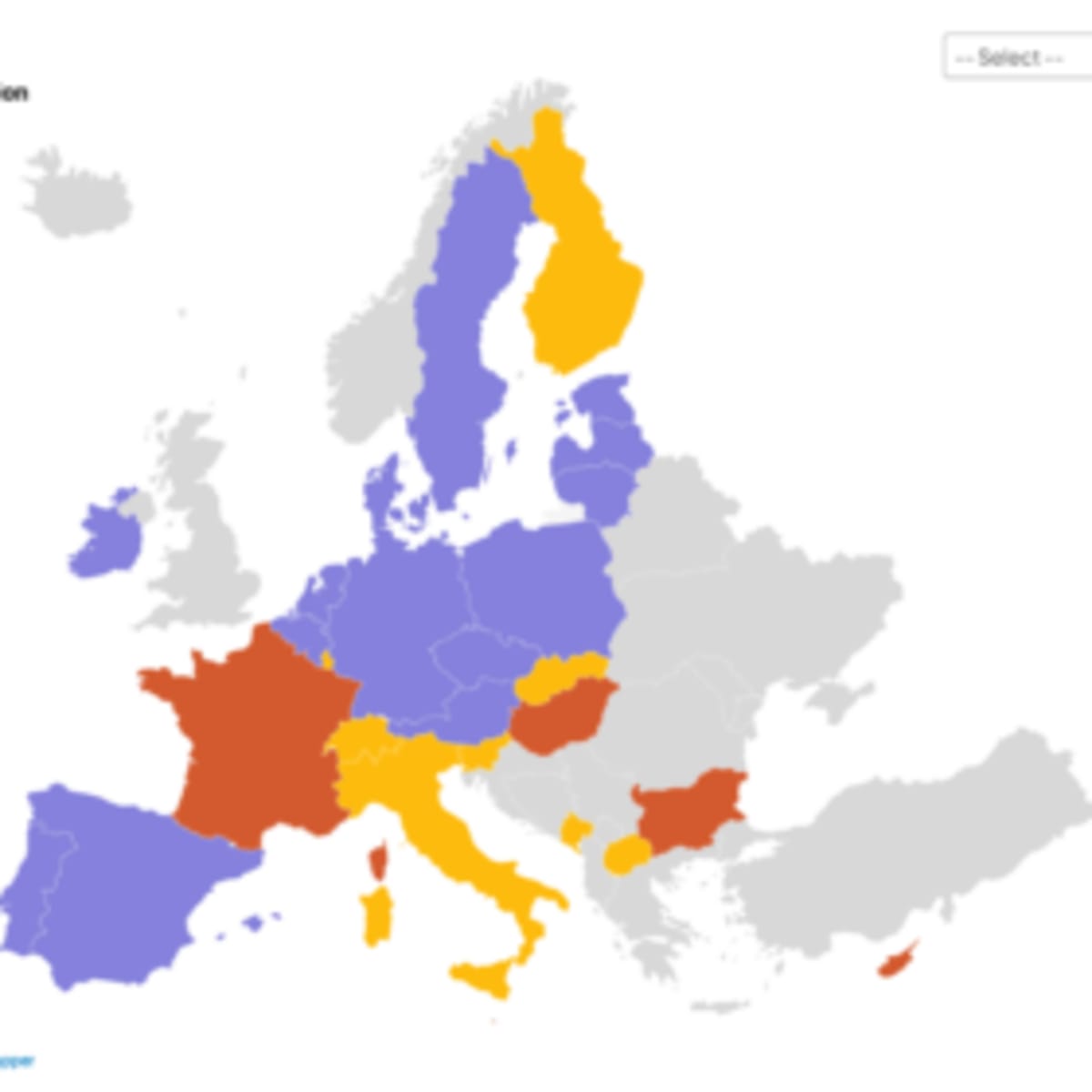
European grid operators have launched Capacitypedia, a digital platform that shows exactly where electricity networks have capacity for new clean energy projects. The tool acts like a GPS for renewable energy developers, revealing open spots across 27 countries in a single, color-coded map.
Before this platform existed, developers had to navigate dozens of separate national websites, each with different formats and terminology. That confusion slowed down countless solar installations, wind farms, and battery storage projects that Europe desperately needs to meet its climate goals.
The platform was born from the EU Grid Action Plan, an initiative focused on modernizing electricity networks. It brings together data from transmission system operators who manage major power lines and distribution operators who handle local networks.
Users can now click on any country to see technical details about available grid capacity in different regions. The system links directly to official operator data, ensuring information stays current and accurate.
The Ripple Effect
This transparency could transform how quickly Europe adds renewable energy. Investors can compare opportunities across borders in minutes instead of months. Utilities can identify the best locations for battery storage to balance the grid. Electric vehicle charging companies can pinpoint where infrastructure makes the most sense.
The platform also promotes standardization, helping countries agree on what "available capacity" actually means. That includes whether space is guaranteed or flexible, and how transmission and distribution networks coordinate.
Twenty-seven countries are already participating, from Ireland to Bulgaria. Grid operators maintain control of their own data while contributing to this unified view.
The initiative represents one of the largest coordination efforts among European electricity operators ever attempted. Getting dozens of independent organizations to share information in compatible formats required years of negotiation and technical work.
For developers racing to build the solar panels and wind turbines that will power Europe's future, this platform eliminates a major roadblock. Instead of guessing where the grid can handle new projects, they can see opportunities at a glance and move faster.
Europe needs to add massive amounts of renewable energy this decade, and every month of delay matters for the climate.
More Images
Based on reporting by PV Magazine
This story was written by BrightWire based on verified news reports.
Spread the positivity!
Share this good news with someone who needs it