Europe Launches Satellite to Predict and Prevent Disasters
A new European weather satellite just reached orbit, bringing technology that can map Earth fast enough to help prevent floods and wildfires before they devastate communities. The launch marks Europe's return to the forefront of space innovation with a smarter, faster rocket system.
Europe just put a powerful new eye in the sky, one that could help save lives by spotting natural disasters before they spiral out of control.
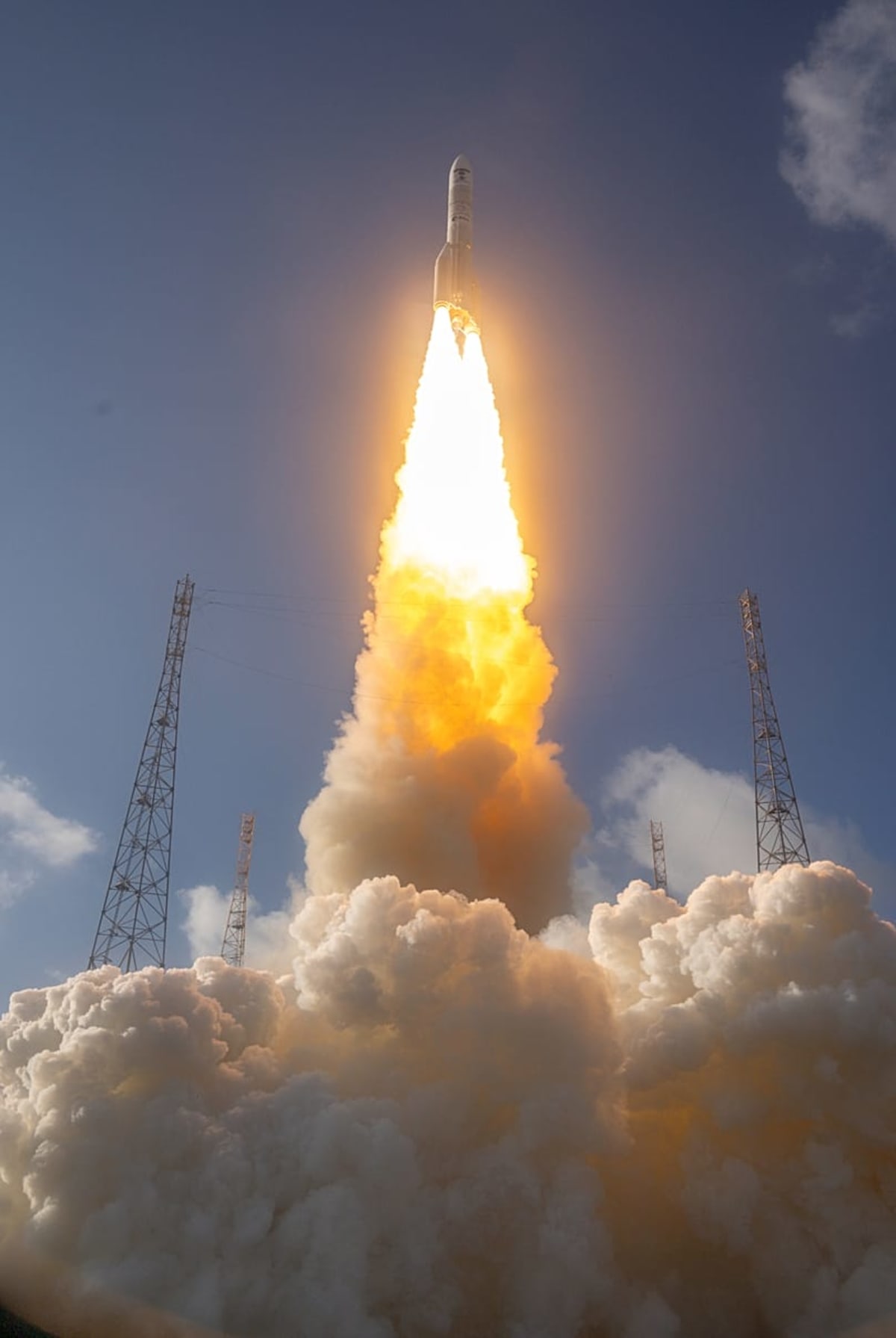
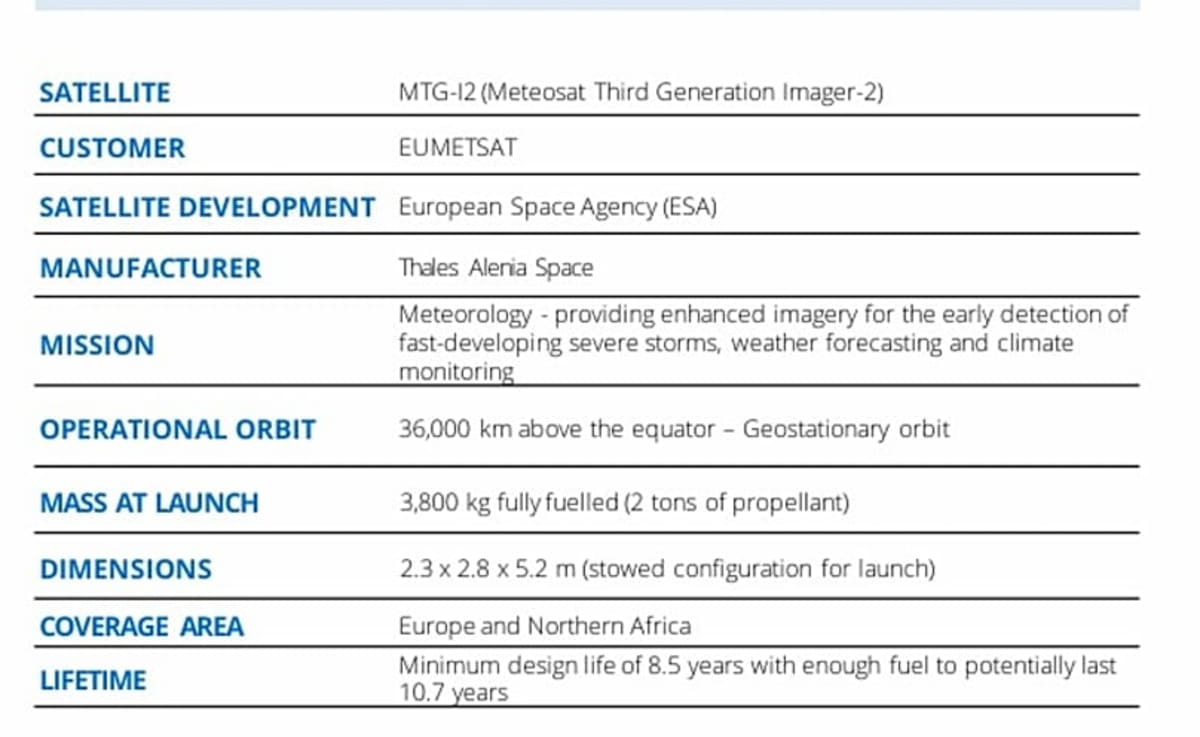
On August 27, 2026, the Ariane 6 rocket lifted off from French Guiana carrying MTG-I2, a 3.8-tonne weather satellite designed to monitor Europe's skies with unprecedented speed. The satellite can map Earth's surface fast enough to track developing floods and fires, giving communities precious extra time to prepare and respond.
The launch represents more than just another satellite reaching orbit. It signals Europe's comeback in global space technology after years of intense competition from other nations.
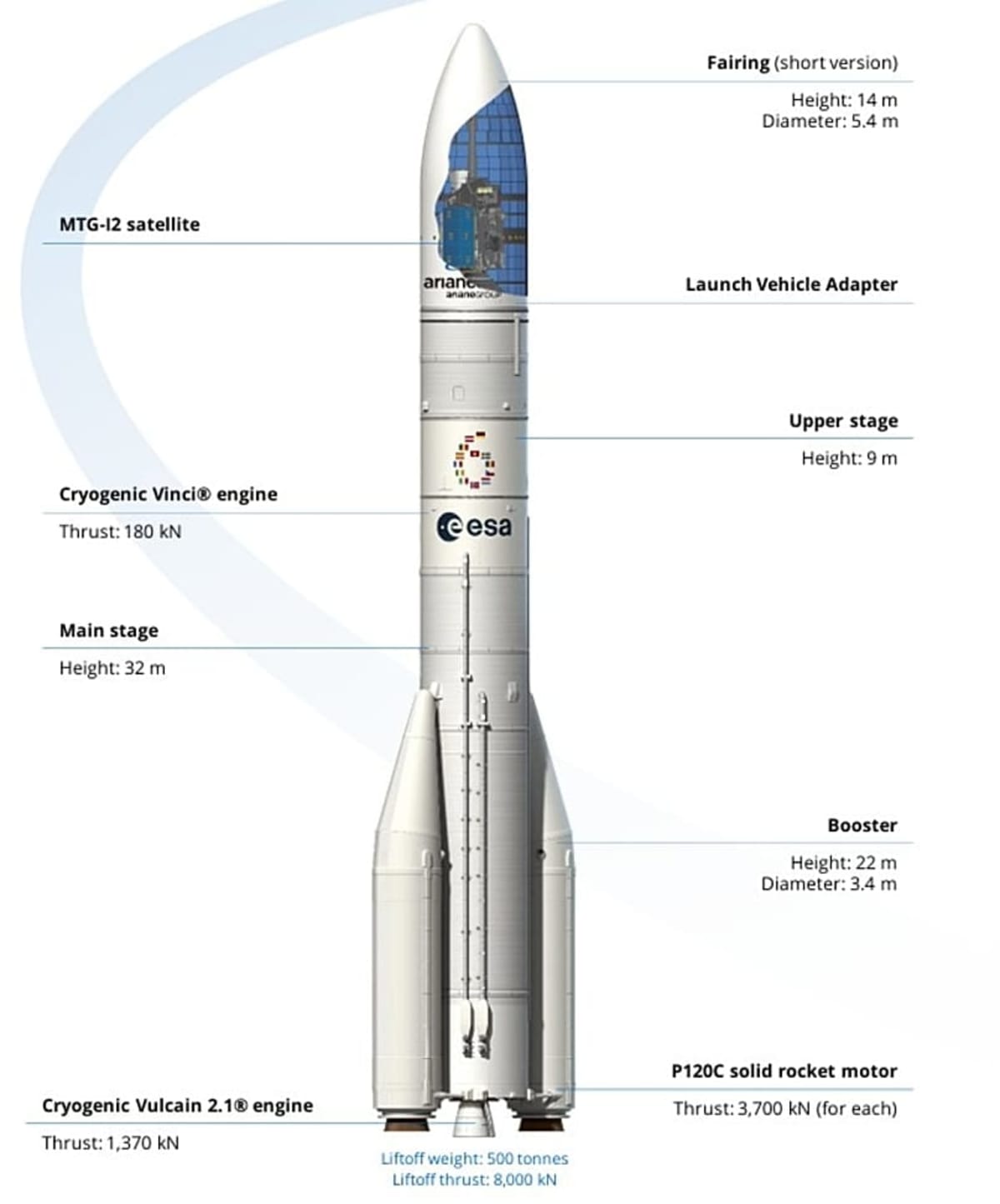
The Ariane 6 rocket that carried MTG-I2 into space was built on a completely different philosophy than its predecessor. Engineers designed it to waste almost no time on the ground between arriving in French Guiana and launching into space.
The rocket's main stages arrive from France and Germany already tested and ready to fly. A dedicated cargo ship called Canopée, recognizable by its large sails, delivers the pieces across the Atlantic. Solid fuel boosters get manufactured right there in French Guiana because shipping that type of fuel across an ocean makes no sense.
Once everything arrives, teams need just seven to nine days to assemble the central core. The rocket gets put together horizontally by guided vehicles that join pieces with barely a millimeter of tolerance.
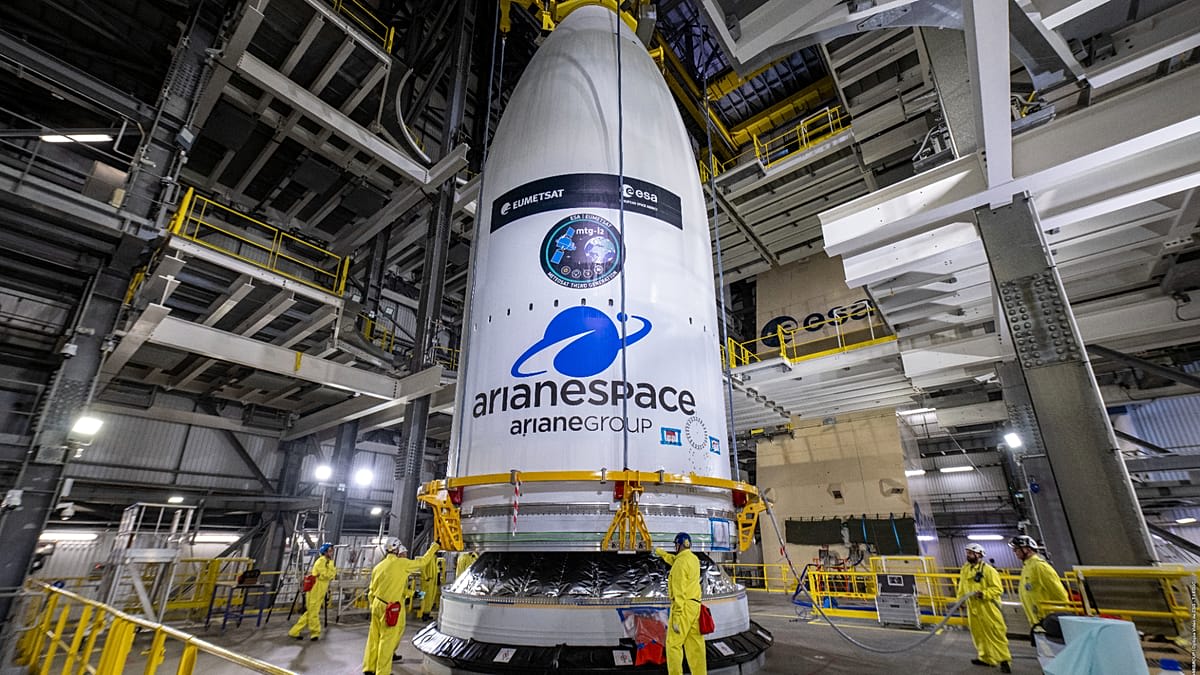
The satellite itself required extraordinary care. In a spotless, climate-controlled building, technicians prepared MTG-I2 in filtered air with carefully regulated humidity. The optical instrument is so sensitive that a single particle could damage the quality of its images. Teams even installed light traps to keep insects and birds from sneaking into the facility when the giant doors opened to receive the spacecraft at night.
Eleven hours before liftoff, the final countdown began in the Jupiter control room. For the first time, an Ariane 6 flew to geostationary transfer orbit, the farthest distance the rocket had reached. The mission also featured a two-and-a-half-hour launch window instead of a single fixed moment, giving engineers flexibility to handle any surprises.
The Ripple Effect
This satellite joins a network watching over Europe's weather, but its impact extends far beyond forecasting. By spotting the early signs of floods and wildfires, it gives emergency services time to evacuate people, deploy resources, and protect infrastructure. What used to be reactive responses to disasters can now become proactive prevention.
The new rocket system also changes Europe's position in space. With two parallel assembly lines at the facility, teams can start building the next rocket while the current one heads to the launch pad. The goal is nine to ten launches per year by 2027, making space access faster and more affordable.
Countries across Europe now have a powerful tool watching their skies, ready to sound the alarm before nature's worst moments arrive.
More Images

Based on reporting by Euronews
This story was written by BrightWire based on verified news reports.
Spread the positivity!
Share this good news with someone who needs it