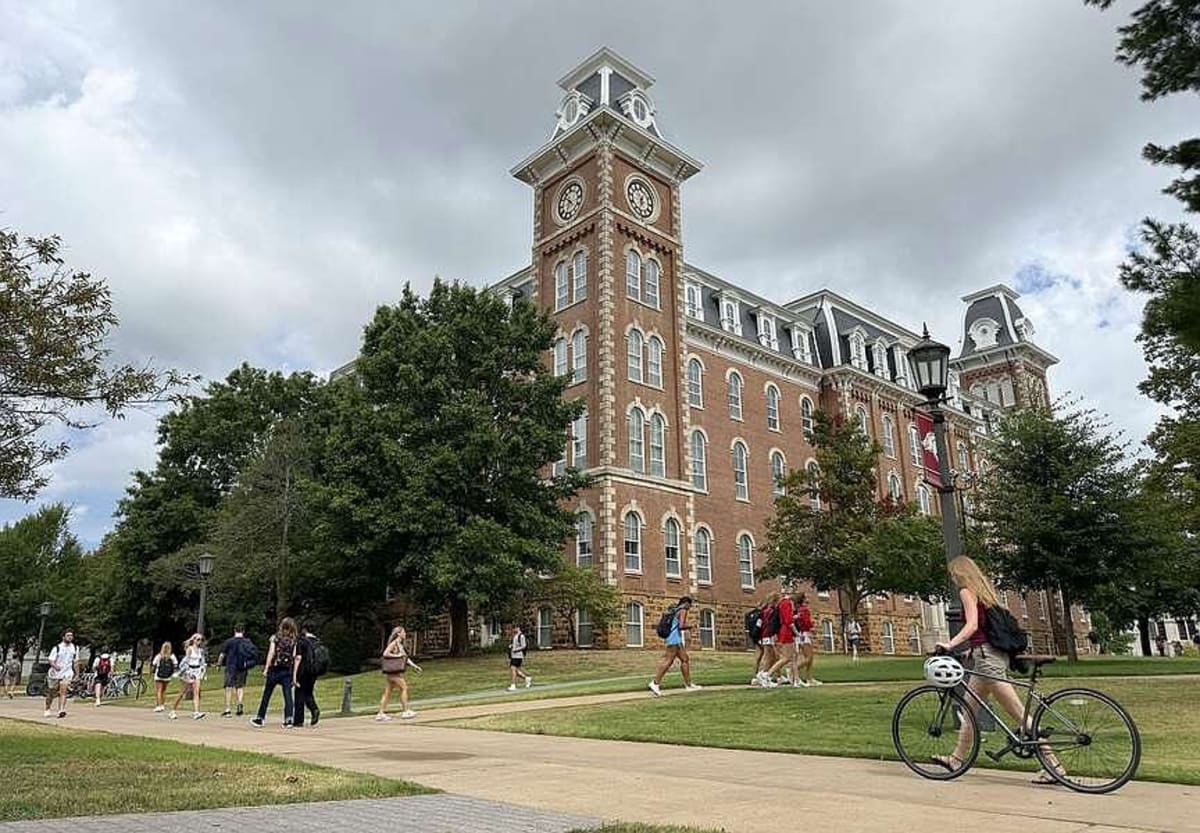
European Universities Create 5 Changes for Happier Academia
A growing network of educators across Europe, North America, and Asia has identified five concrete solutions to make academic workplaces healthier and more supportive. Their goal: keep talented researchers from leaving academia by fixing toxic cultures before it's too late.
After hearing "it won't make any difference" from countless doctoral students and young researchers afraid to report misconduct, two educators decided something had to change.
Francesca Schiavon has spent eight years promoting mentorship training across Europe. Rebecca Hogue has spent decades listening to voiceless doctoral students. Together, they represent a small but growing movement called the Academic Think Tank, an international network working to fix what's broken in academic culture.
The problem is clear. Many universities reward research output over respectful behavior, creating hierarchies where supervisors see students as labor instead of learners. Early career researchers fear reporting abuse because the people controlling their contracts, funding, and reference letters hold enormous power over their futures.
But here's the encouraging part: colleagues across three continents kept identifying the same problems, which means the solutions can work everywhere.
The Academic Think Tank has pushed five changes that some universities are already implementing successfully. First, mandatory leadership training for every professor promoted to a supervisory role, with regular refreshers and feedback from all team members. Some universities now require doctoral supervisor courses before anyone can lead students.
Second, anonymous reporting systems that actually work. The Karolinska Institute in Stockholm invites all graduating PhD students to complete anonymous surveys, then publishes the results publicly. No more complaints disappearing into administrative black holes.
Third, regular cultural climate audits that measure how inclusive, respectful, and equitable departments are, not just their research productivity. Fourth, protected time for mentorship so supervisors can actually support their students without sacrificing their own careers. Fifth, exit interviews for everyone leaving academia to understand why talented people choose industry instead.
The Ripple Effect
These changes aren't just making current academics happier. They're protecting the future of scientific research itself. When young researchers feel safe, supported, and valued, they stay in academia and produce better work.
The Karolinska Institute's transparent reporting has created accountability that's changing supervisor behavior. Universities requiring leadership training are seeing fewer complaints and better team dynamics. One institution at a time, the culture is shifting from hierarchical fear to collaborative growth.
The Academic Think Tank started as an informal group of concerned educators. Now it's spreading practical solutions that work across different countries and institutions. Their message: improvement is possible, but only if people speak openly about the challenges.
These five practices are already standard at forward thinking universities, and more institutions are adopting them every year as evidence mounts that healthier workplaces produce better research and retain talented scientists who might otherwise leave.
More Images




Based on reporting by Nature News
This story was written by BrightWire based on verified news reports.
Spread the positivity!
Share this good news with someone who needs it