Europe's Ariane 6 Launches 32 Satellites for Amazon Network
Europe's most powerful rocket just launched 32 satellites for Amazon's internet network, proving the continent can compete in the new space race. It's a massive win for European innovation and global connectivity.
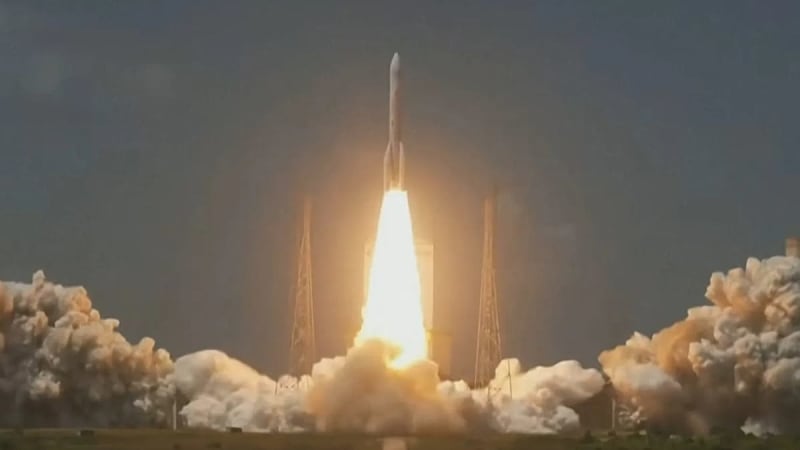
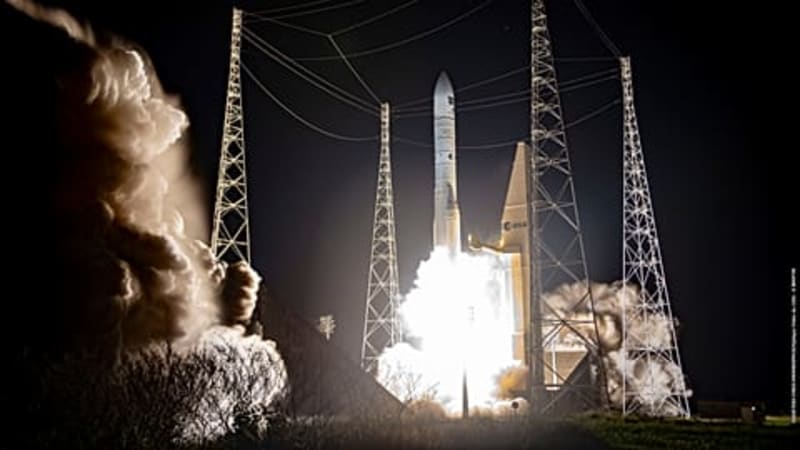
Europe just flexed its space muscles in a big way. The upgraded Ariane 6 rocket blasted off from French Guiana on Thursday, carrying 32 satellites that will bring internet access to people around the world.
This wasn't just any launch. The rocket got a serious upgrade, adding four powerful boosters instead of the usual two, letting it carry more than double its normal payload into orbit. That's 21.6 metric tons of satellites heading to space in a single trip.
The mission represents Amazon's first major deployment for its Leo satellite network, which aims to provide internet coverage globally. With 175 satellites already circling Earth, Amazon is working toward a constellation of 3,200 satellites to compete with existing services.
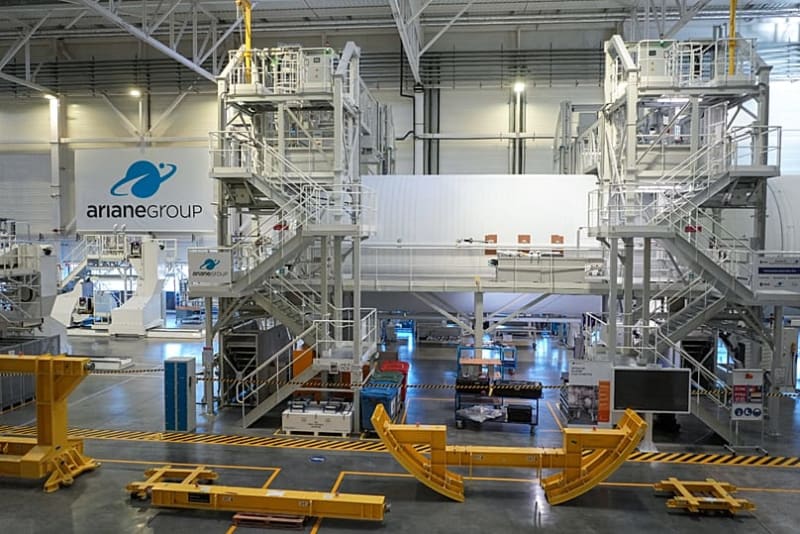
What makes this launch special is the collaboration behind it. Thirteen European nations worked together through the European Space Agency to make it happen. About 600 different companies, led by ArianeGroup, contributed expertise to build this technological marvel.
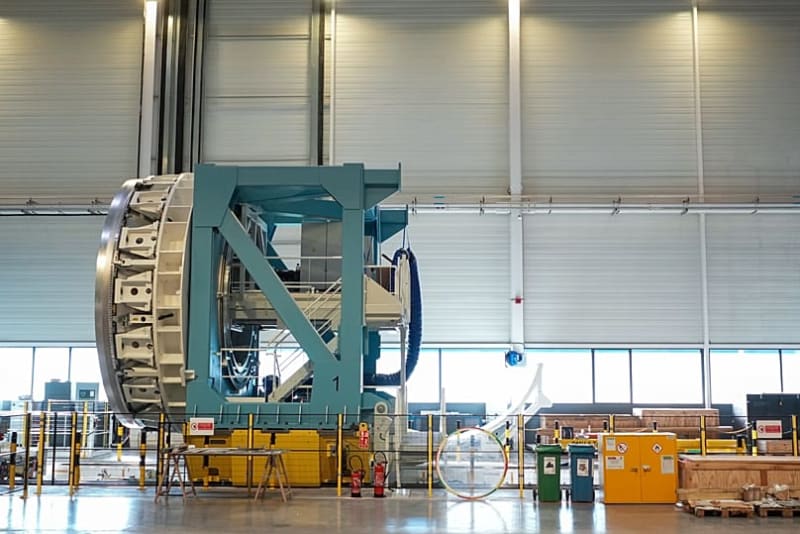
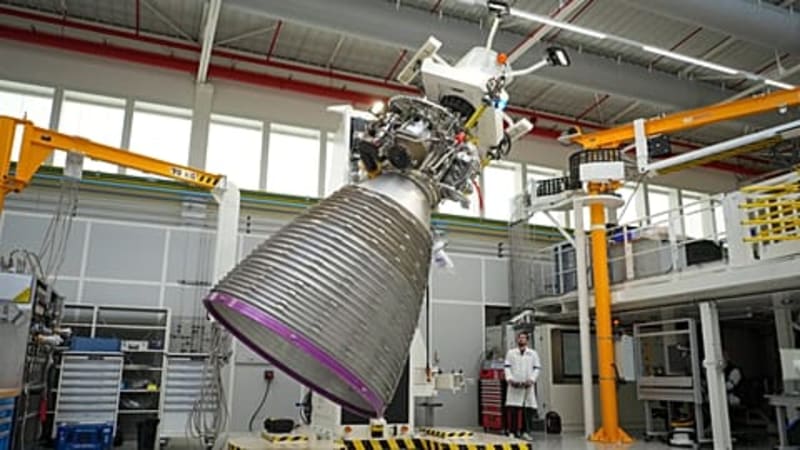
The rocket itself is an engineering feat. It stands 62 meters tall and contains roughly 300,000 individual pieces. The core stage was assembled near Paris, while the upper stage came from Bremen, Germany. All the pieces then sailed across the Atlantic on a cargo ship equipped with sails to reduce emissions.
The launch showcases European ingenuity at every level. The main engine uses supercooled hydrogen and oxygen as fuel, while a second engine can reignite up to four times in flight to place satellites precisely where they need to be. The four boosters burned through 142,000 kilograms of solid propellant in just over two minutes.
Last year, Ariane 6 focused on government missions, launching military reconnaissance satellites, weather monitors, and navigation systems. Now it's proving it can handle major commercial contracts too.
The Ripple Effect: This successful launch does more than just put satellites in orbit. It proves Europe can stand toe to toe with other spacefaring nations and companies in the commercial space sector. The collaboration between 13 countries shows what's possible when nations pool their expertise and resources for a common goal.
The mission also advances global internet connectivity, potentially bringing reliable service to remote areas that have struggled with access. Each satellite added to the constellation means more people can connect to education, healthcare information, and opportunities that were previously out of reach.
For the 600 companies involved in building this rocket, the success opens doors to future contracts and innovations. The expertise gained from assembling 300,000 pieces into a working spacecraft will fuel the next generation of European space technology.
Europe just proved it belongs in the new space age, and the sky is no longer the limit.
More Images
Based on reporting by Euronews
This story was written by BrightWire based on verified news reports.
Spread the positivity!
Share this good news with someone who needs it