Europe's Wetlands Mapped in Stunning Detail for Restoration
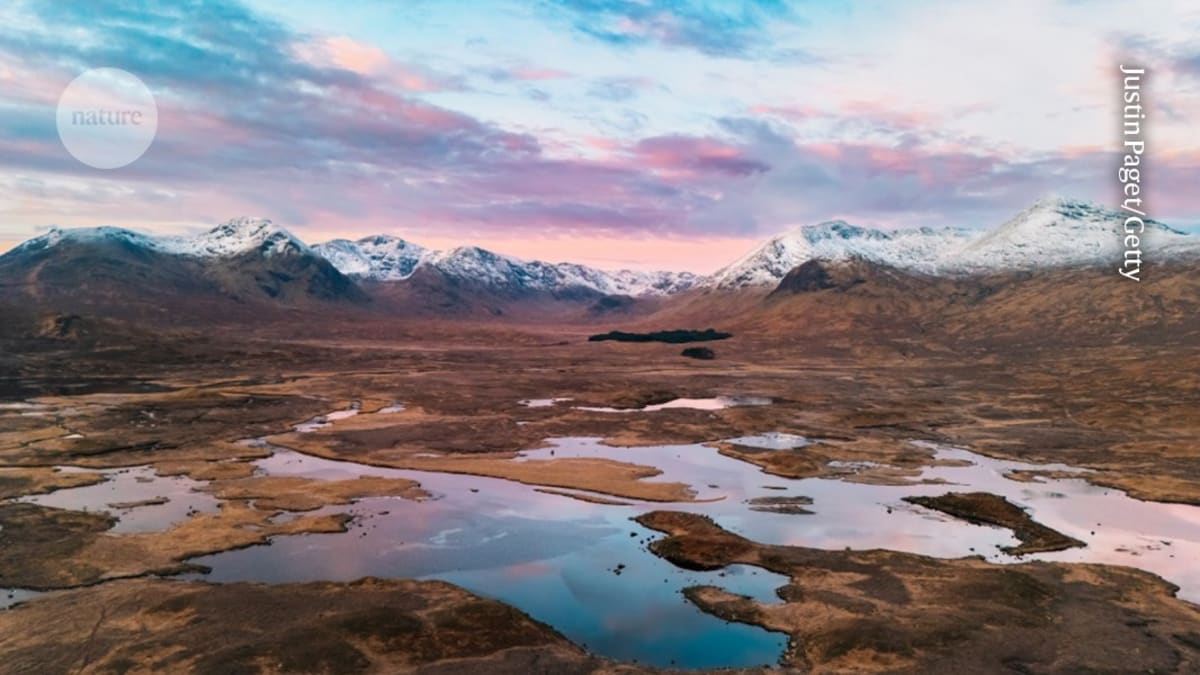
Scientists just created the most detailed maps ever of Europe's wetlands, revealing thousands of hidden ecosystems that desperately need protection. These precious landscapes cover just 5% of land but store nearly a third of Earth's soil carbon.
Scientists just handed conservationists a powerful new tool in the fight against climate change: ultra-detailed maps showing exactly where Europe's wetlands are and which ones need help first.
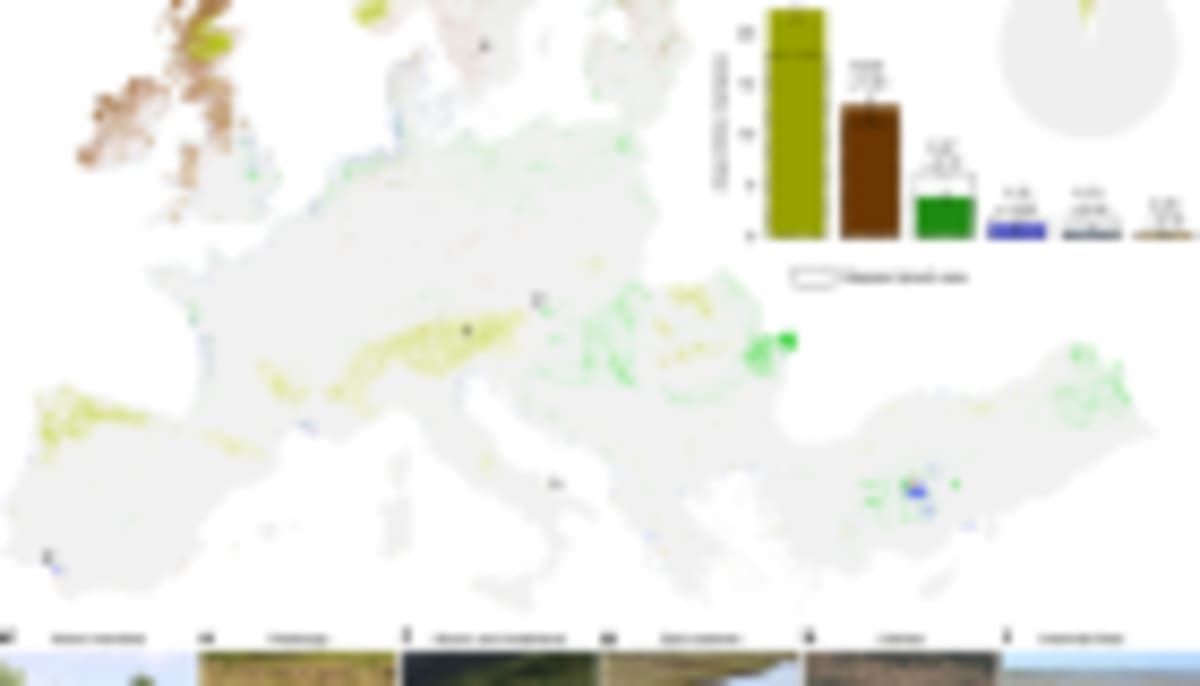
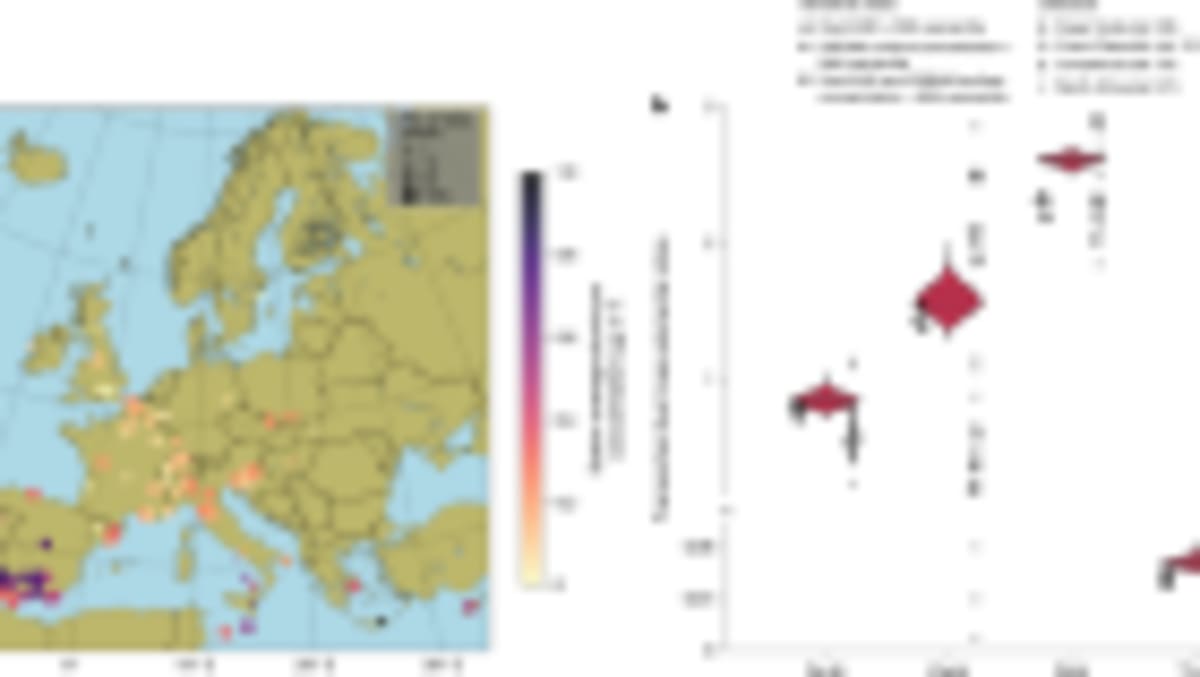
The groundbreaking research, published in Nature, reveals something surprising. Europe's wetlands aren't vast stretches of swampland but thousands of small, fragmented patches scattered across the continent. Many had been completely overlooked until now.
Wetlands punch way above their weight when it comes to fighting climate change. They cover only 5 to 8 percent of Earth's land surface but store an incredible 20 to 30 percent of all soil carbon. That makes them secret climate heroes, quietly doing work that forests get all the credit for.
The problem is that human activities have disturbed these environments for centuries. Every time a wetland is drained or damaged, it releases stored carbon back into the atmosphere. These new maps show exactly where that damage has occurred and where restoration efforts will make the biggest difference.
Researchers led by G.M. Kovács created these high-resolution maps using advanced satellite technology and data analysis. The detail is remarkable. Conservationists can now see wetlands as small as a backyard swimming pool, giving them precision they've never had before.
The Ripple Effect
The timing couldn't be better. Countries across Europe have committed to massive restoration projects as part of their climate goals. These maps give them a roadmap, showing which wetlands should be prioritized and how much work each site needs.
Local communities will benefit too. Healthy wetlands filter water, prevent flooding, and provide habitat for countless species of birds, fish, and plants. Restoring these ecosystems means cleaner water for nearby towns and better protection during storms.
The research also revealed that restoration needs vary dramatically across Europe. Some regions have relatively intact wetlands that just need protection. Others have lost so many wetlands that restoration will require decades of work and significant investment.
Scientists hope other continents will follow Europe's lead. Similar mapping projects could identify vulnerable wetlands worldwide, creating a global strategy for protecting these carbon-storing powerhouses before they're lost forever.
For now, conservationists are celebrating having the precise information they need to make smart decisions about where to focus their limited time and money.
More Images

Based on reporting by Nature News
This story was written by BrightWire based on verified news reports.
Spread the positivity!
Share this good news with someone who needs it