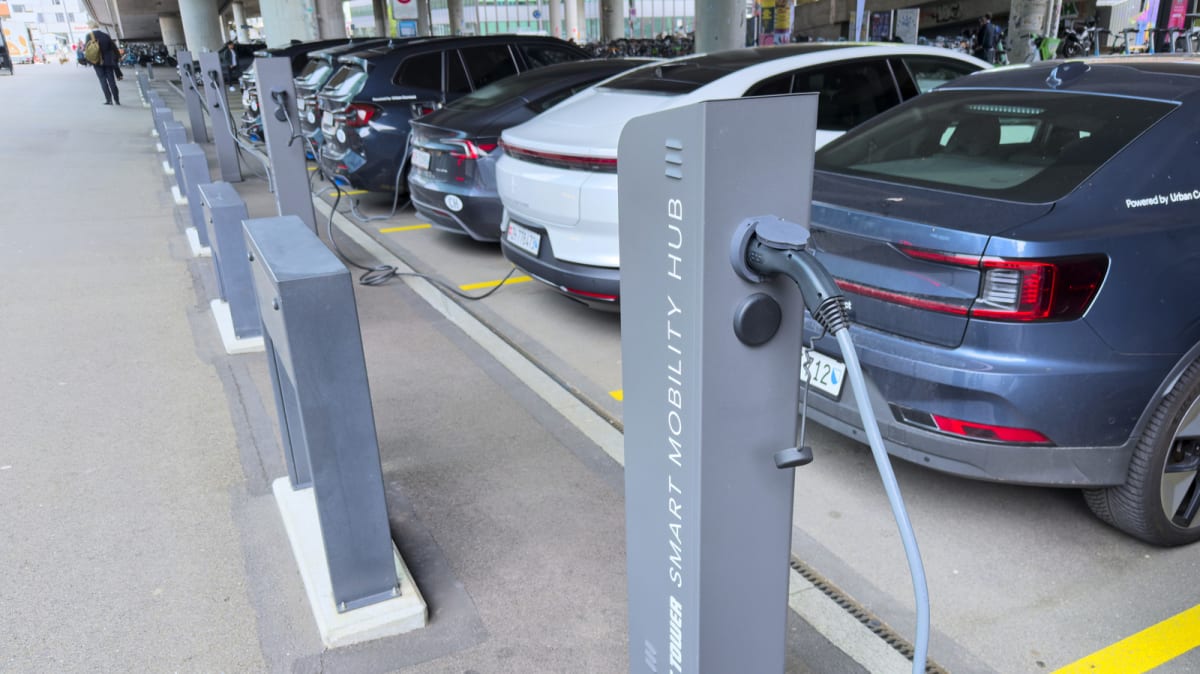
EV Batteries Last 20+ Years, New Data Shows
That expensive electric car battery you're worried about? Real-world data shows modern EV batteries keep 95% of their range after five years and could last over 20 years. The anxiety that kept millions from going electric just got proven wrong.
For over a decade, one fear kept people from buying electric cars: what happens when that pricey battery dies? Turns out, it doesn't.
Modern EV batteries are crushing expectations. After five years on the road, the average electric vehicle still delivers 95 percent of its original range. At the current degradation rate of just 2.3 percent per year, these batteries could realistically power cars for 20 years or more.
The numbers tell a stunning turnaround story. Between 2011 and 2016, about 8.5 percent of EVs needed complete battery replacements, according to a 2025 study by Recurrent, a battery monitoring company. Those early failures, especially with the original Nissan Leaf that lacked proper cooling, created lasting anxiety about EV reliability.
Fast forward to today. Only 0.3 percent of EVs built from 2022 onward have required battery replacement. That's a 28-fold improvement in less than a decade.
Three major breakthroughs explain why batteries are outlasting every prediction. First, chemical composition has improved dramatically since the early models. Second, smarter management systems now protect batteries from harmful charging patterns. Third, better thermal regulation prevents the overheating that destroyed those first-generation Leafs.
Here's the kicker: lab tests were accidentally pessimistic. Traditional battery testing drains power at a constant, punishing rate from full to empty. Real drivers don't do that.
Stanford University's battery center discovered something remarkable when they tested 92 commercial lithium-ion batteries under realistic conditions. Stop-and-go traffic, quick accelerations, regenerative braking, and rest periods actually extend battery life by up to 38 percent compared to harsh lab conditions.
Geotab analyzed data from over 22,700 electric vehicles and found that charging behavior matters most for longevity. Cars using ultra-fast charging above 100kW degrade twice as fast as those using standard charging. Keeping your battery between 20 and 80 percent during regular use significantly reduces wear.
The Bright Side
This isn't just good news for current EV owners. Battery prices have plunged more than 90 percent since 2010, making replacements far more affordable if they're ever needed. Manufacturers now design battery packs for easy repair, so individual cells can be swapped instead of replacing the entire unit.
The gap between old fears and new reality keeps growing. Every year of data proves electric vehicles are more reliable, more affordable, and more practical than even optimists predicted.
The biggest barrier to EV adoption just collapsed under the weight of evidence.
More Images

Based on reporting by Engadget
This story was written by BrightWire based on verified news reports.
Spread the positivity!
Share this good news with someone who needs it