EV Battery Recycling System Takes Shape Across America
The electric vehicle battery recycling challenge everyone predicted for the future is already here, and the industry is building smart solutions. Companies are creating systems to repair, reuse, and recover valuable materials from EV batteries before they become waste.
Electric vehicle batteries were supposed to be tomorrow's recycling problem, but the future arrived early and brought opportunity with it.
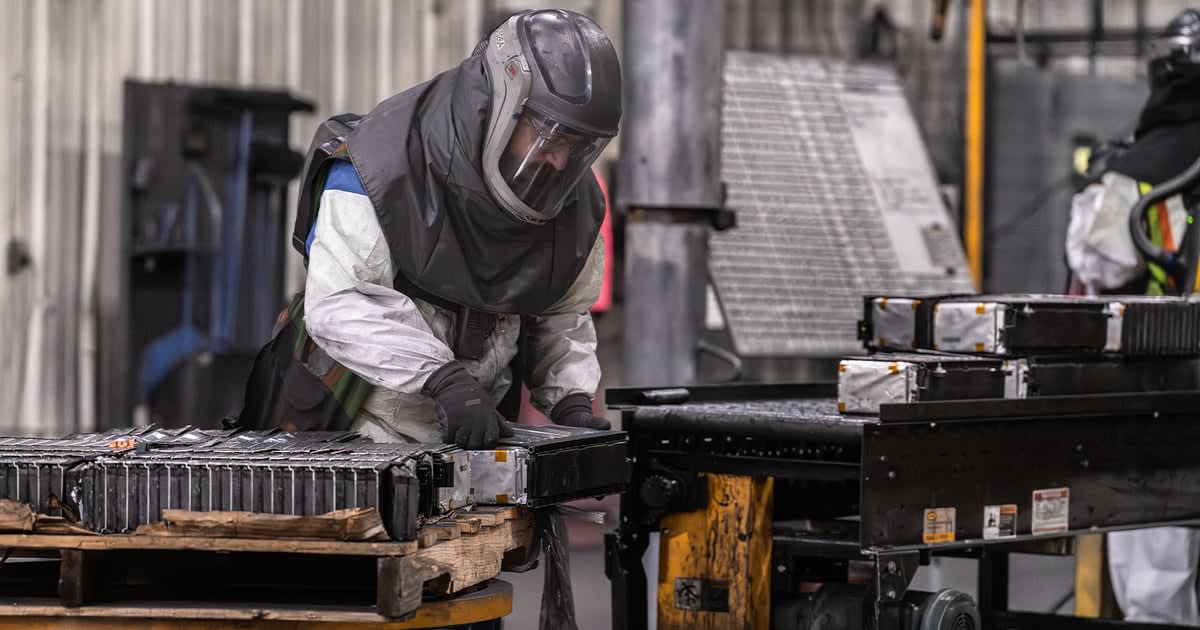
More than 14 million electric cars sold globally in 2023, and now those batteries are flowing through repair shops, auction houses, and recycling centers across America. Each battery pack weighs hundreds of pounds, contains valuable materials like lithium and cobalt, and requires careful handling to stay safe.
Here's the surprising part: recycling isn't always the best answer. Many batteries that seem ready for the scrap heap can actually be repaired or reused.
Companies like EV Battery Solutions are treating each battery like a patient getting a diagnosis. Sometimes the entire pack is fine except for one faulty module or connector. Fixing that single part can return the battery to service for years, preserving the energy and resources that went into making it.
When batteries truly reach the end of their useful life, recyclers process them into "black mass," a dark powder packed with lithium, nickel, cobalt, and other critical minerals. These are the same materials needed to build new batteries, creating a circular loop that reduces the need for mining.
The waste and recycling industry is discovering that success depends on making smart decisions early. Storing batteries safely, processing them close to collection points, and understanding their condition before shipping them across the country all affect whether recycling becomes profitable and sustainable.
The Ripple Effect
This emerging system is doing more than handling waste. By recovering critical minerals domestically, battery recycling strengthens American supply chains and reduces dependence on overseas mining. Regional processing centers are creating jobs while cutting transportation costs and risks.
The lessons learned here apply beyond batteries. The same principles of careful assessment, local processing, and material recovery can transform how America handles other complex waste streams. What works for a thousand-pound battery pack might work for solar panels, wind turbines, and electronics.
Transportation is getting cleaner, and now the recycling industry is proving it can keep that progress moving in circles.
More Images


Based on reporting by Google News - Electric Vehicle
This story was written by BrightWire based on verified news reports.
Spread the positivity!
Share this good news with someone who needs it