EV Charging Improves 10% as Network Doubles Since 2023
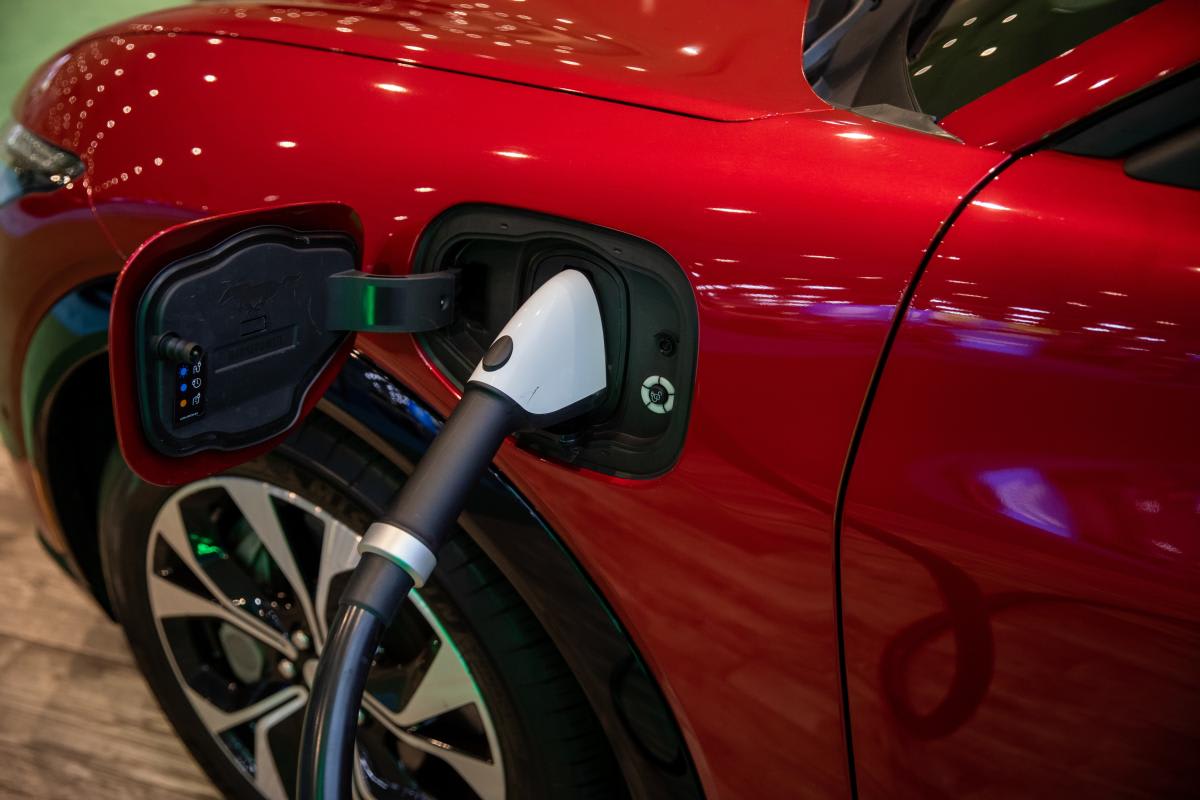
A 600-mile road trip reveals what many drivers don't know yet: electric vehicle charging has transformed from frustrating to flawless in just three years. Twice as many chargers, 10% better reliability, and zero waiting make range anxiety a thing of the past.
Three years ago, a father's road trip in an electric vehicle meant calling customer service three times, dealing with broken chargers, and turning a simple drive into a seven-hour ordeal. Last summer, that same driver took a longer trip and didn't wait on his car once.
The difference? America's EV charging network has quietly become something drivers can actually depend on.
A recent 600-mile road trip to Montreal put the new reality to the test. The driver used an older Audi e-tron with just 220 miles of range, far less than newer models. Despite needing multiple charging stops, each session worked perfectly and took about 20 minutes.
At a Rivian charging station in Lebanon, New Hampshire, six high-speed chargers were working with no lines. The credit card reader accepted payment instantly, and charging started without downloading an app or fumbling with account setup. The same experience repeated on the return trip.
Compare that to 2023, when a shorter 350-mile trip to Maine became a nightmare. Chargers broke mid-session, apps reported working stations that didn't function, and customer service calls ate up precious vacation time. Gas stations that worked this poorly would be out of business.
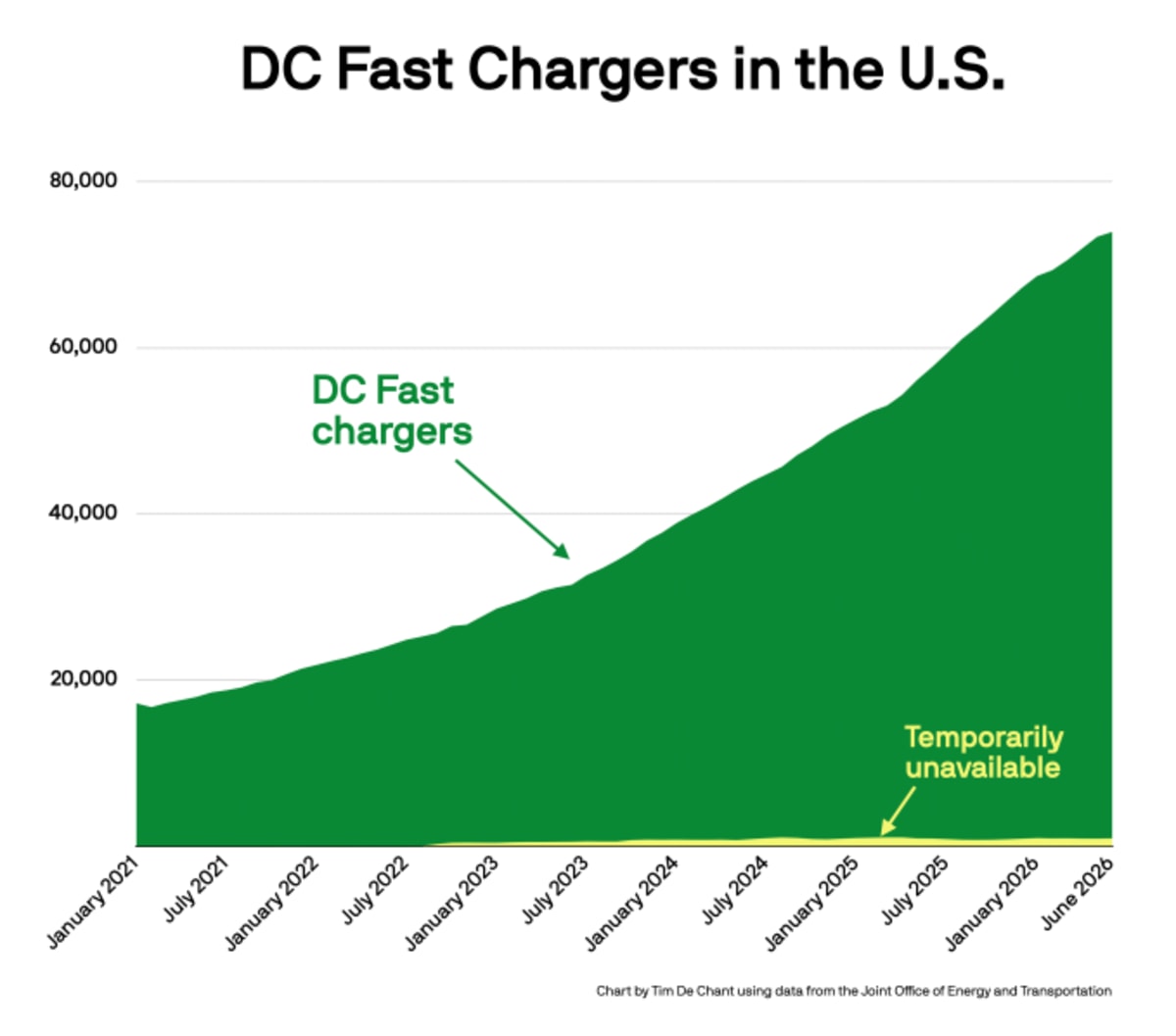
The numbers back up what drivers are experiencing on the road. America now has more than 64,000 DC fast chargers, double the 32,000 available in July 2023. Most of Tesla's once-exclusive network now welcomes all electric vehicles, creating real competition that benefits everyone.
Reliability scores have jumped nearly 10 points in just one year, climbing from 85% to the mid-90s. That means successful charging sessions, working payment systems, and stations that get repaired quickly when something breaks.
Apps like A Better Route Planner now optimize charging stops by accounting for weather, traffic, and even battery age. Drivers can find reliable chargers, combine stops with meals or rest breaks, and arrive with plenty of range to spare.
The Ripple Effect
This transformation matters beyond road trips. Public charging worries keep more than half of prospective buyers from choosing electric vehicles, according to AAA surveys. Those concerns made sense when chargers routinely failed and networks couldn't be trusted.
Now, drivers who've been holding back because of charging anxiety are missing out on a solved problem. The infrastructure that seemed years away from readiness has arrived quietly while headlines focused on other topics. Competition between networks has created the reliability that government mandates alone couldn't deliver.
Gaps still exist in some regions, and chargers still break occasionally. But new stations appear every month, and broken equipment gets fixed faster than ever before. The charging experience that once required patience and backup plans now works as simply as filling up with gas.
The holdouts waiting for perfect charging infrastructure might not realize they're already there.
More Images

Based on reporting by TechCrunch
This story was written by BrightWire based on verified news reports.
Spread the positivity!
Share this good news with someone who needs it