Everglades Carbon Capture Jumped 18% in Recent Study
New research shows Florida's Everglades is pulling more carbon from the air than ever before, with mangroves leading the charge. Scientists now have a detailed roadmap for making the wetlands an even stronger climate solution.
The Florida Everglades just got a glowing report card for fighting climate change, and the findings could help restoration efforts work even smarter.
Yale researchers discovered that between 2003 and 2020, the massive wetland system increased its carbon capture by 18%. The 1.5 million acre ecosystem now removes an average of 13.7 million metric tons of carbon dioxide from the atmosphere each year.
The study, published in the Proceedings of the National Academy of Sciences, revealed something crucial for water managers. Saltwater mangroves are climate champions, with only 16% of their captured carbon offset by methane emissions. Freshwater marshes, while releasing more methane, still play a vital role in the ecosystem's overall health.
"The study confirms that the Everglades continues to function as a major carbon sink," said Sparkle Malone, assistant professor of ecosystem carbon capture at Yale. The diversity of wetland types offers important insights for strengthening climate resilience and guiding restoration efforts.
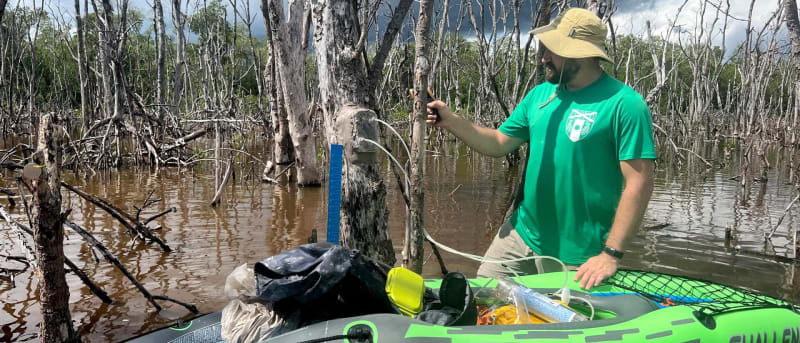
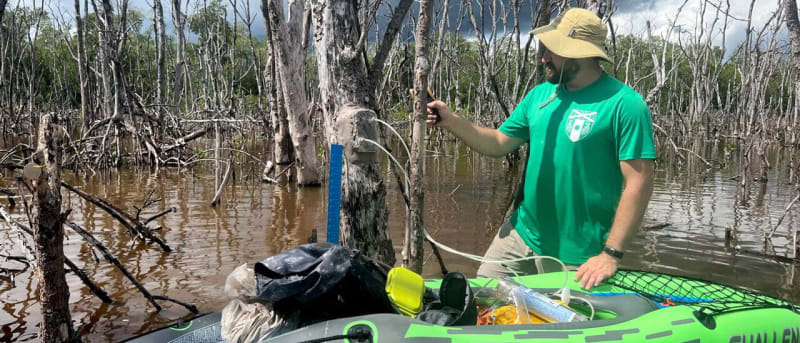
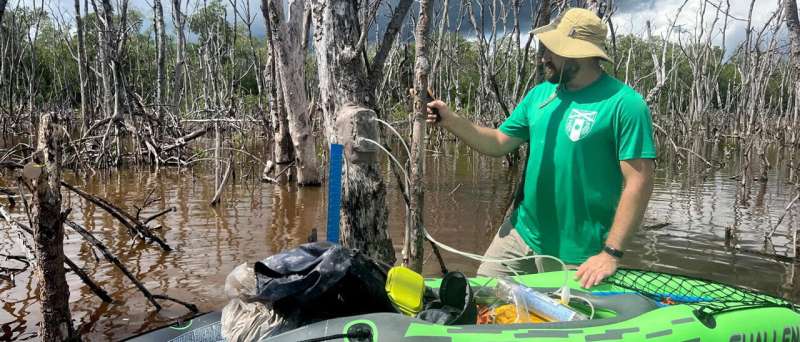
The research team combined data from ground towers, NASA plane measurements, and satellite imagery to create the most detailed picture yet of how the Everglades breathes. They tracked carbon exchange rates across both coastal mangroves and inland freshwater marshes from 2000 to 2024.
Methane does complicate the picture. The gas traps over 80 times more heat than carbon dioxide over 20 years and accounts for 30% of warming since industrialization. In freshwater marshes, methane emissions offset nearly 82% of the carbon dioxide captured.
But the scientists emphasized that freshwater marshes remain invaluable. They provide flood control, water filtration, habitat for wildlife, and long-term carbon storage that still benefits the climate.
The Ripple Effect
The findings give land managers specific targets for maximizing climate benefits. Protecting mangroves from storm damage and water flow disruption preserves one of Earth's most effective natural carbon sinks. Understanding which conditions help ecosystems capture carbon most efficiently means restoration dollars can be spent where they'll do the most good.
"Our work shows that you can't consider carbon dioxide or methane in isolation," said doctoral candidate Jonathan Gewirtzman. Understanding the balance of ecological processes helps inform better decisions about water management across the entire system.
The collaboration between government agencies and academics demonstrates what's possible when long-term monitoring meets cutting-edge science. The model they created can guide not just Everglades restoration but wetland management worldwide.
Peter Raymond, professor of biogeochemistry and co-director of the Yale Center for Natural Carbon Capture, called this broad collaboration necessary for understanding complex ecosystems. The Everglades proves that with the right data, we can help nature help us fight climate change.
More Images


Based on reporting by Phys.org - Earth
This story was written by BrightWire based on verified news reports.
Spread the positivity!
Share this good news with someone who needs it