EVs Add 1.2 Days to Australia's Fuel Reserves Amid Crisis
Australia's electric vehicle fleet is already strengthening the country's fuel security during the Middle East crisis. Clean energy is proving to be more than a climate solution—it's becoming a national security asset.
When Iran blocked the Strait of Hormuz and fuel prices spiked globally, Australia's modest fleet of electric vehicles quietly added an extra day of fuel supply to the nation's reserves.
It's a glimpse into how clean technology is reshaping energy security around the world. From Pakistan to Nepal, countries are discovering that electric cars and renewable energy don't just fight climate change—they protect citizens from international crises.
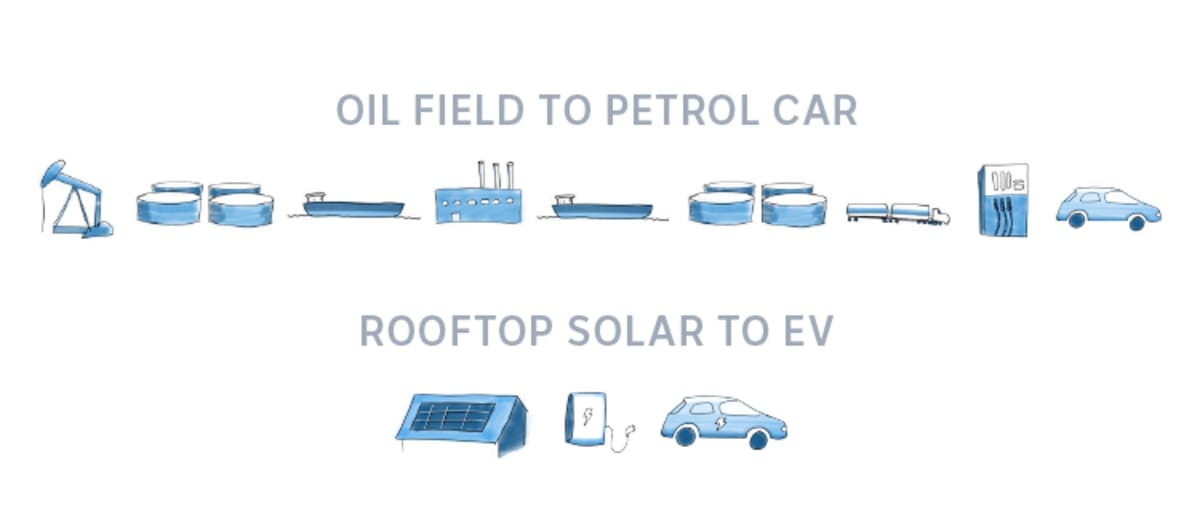
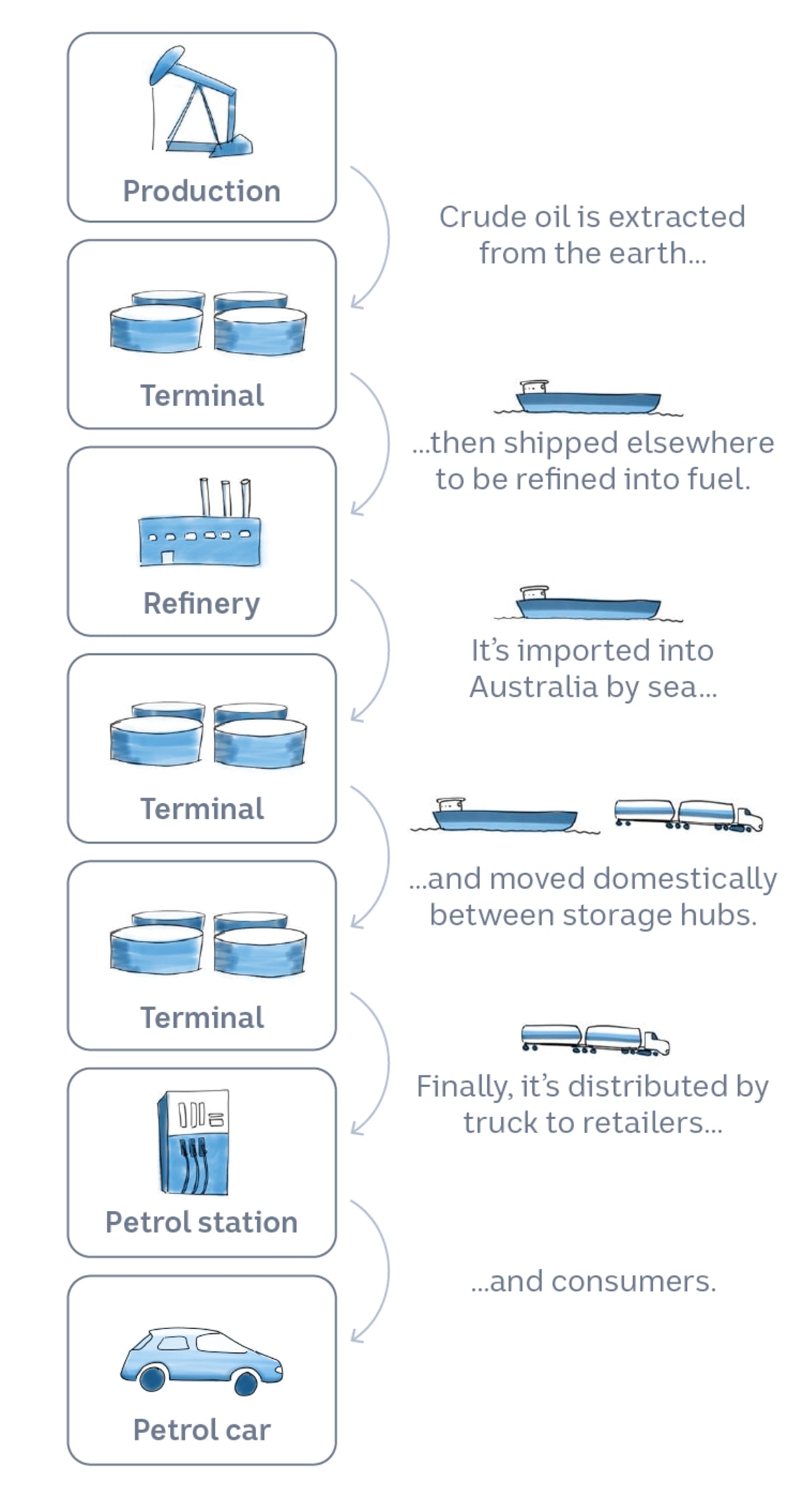
Australia currently stores only about a month's worth of fuel, and the recent Middle East conflict forced the country to tap those reserves for the first time since Ukraine's invasion in 2022. Every liter of petrol travels more than 10,000 kilometers by ship before reaching Australian pumps, creating a supply chain vulnerable to global disruptions.
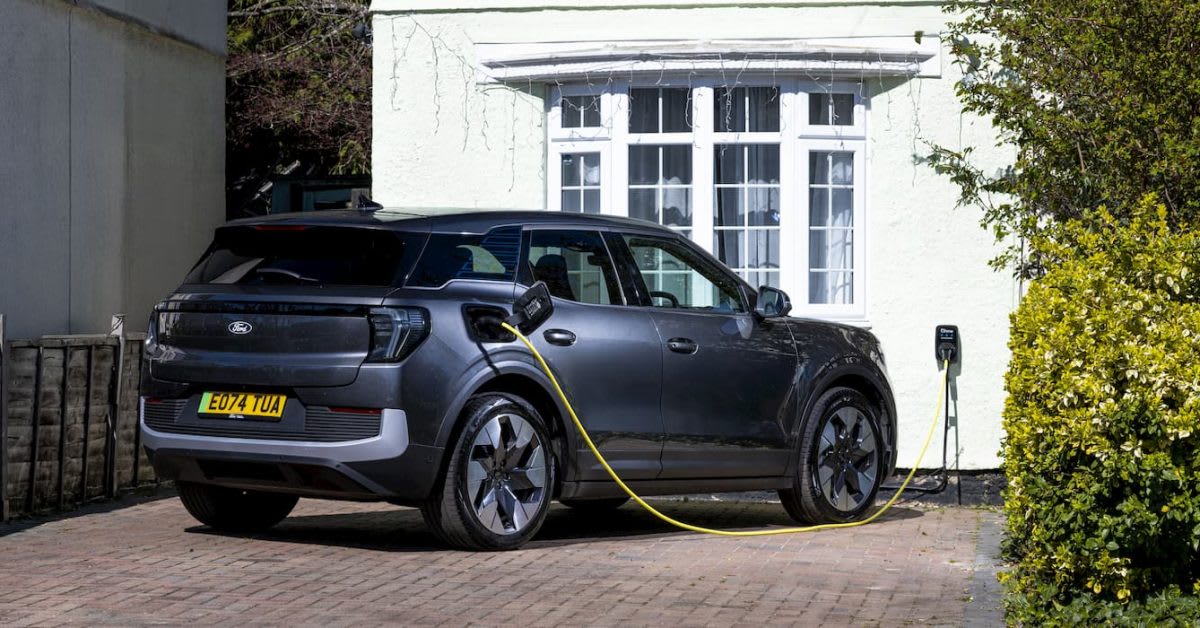
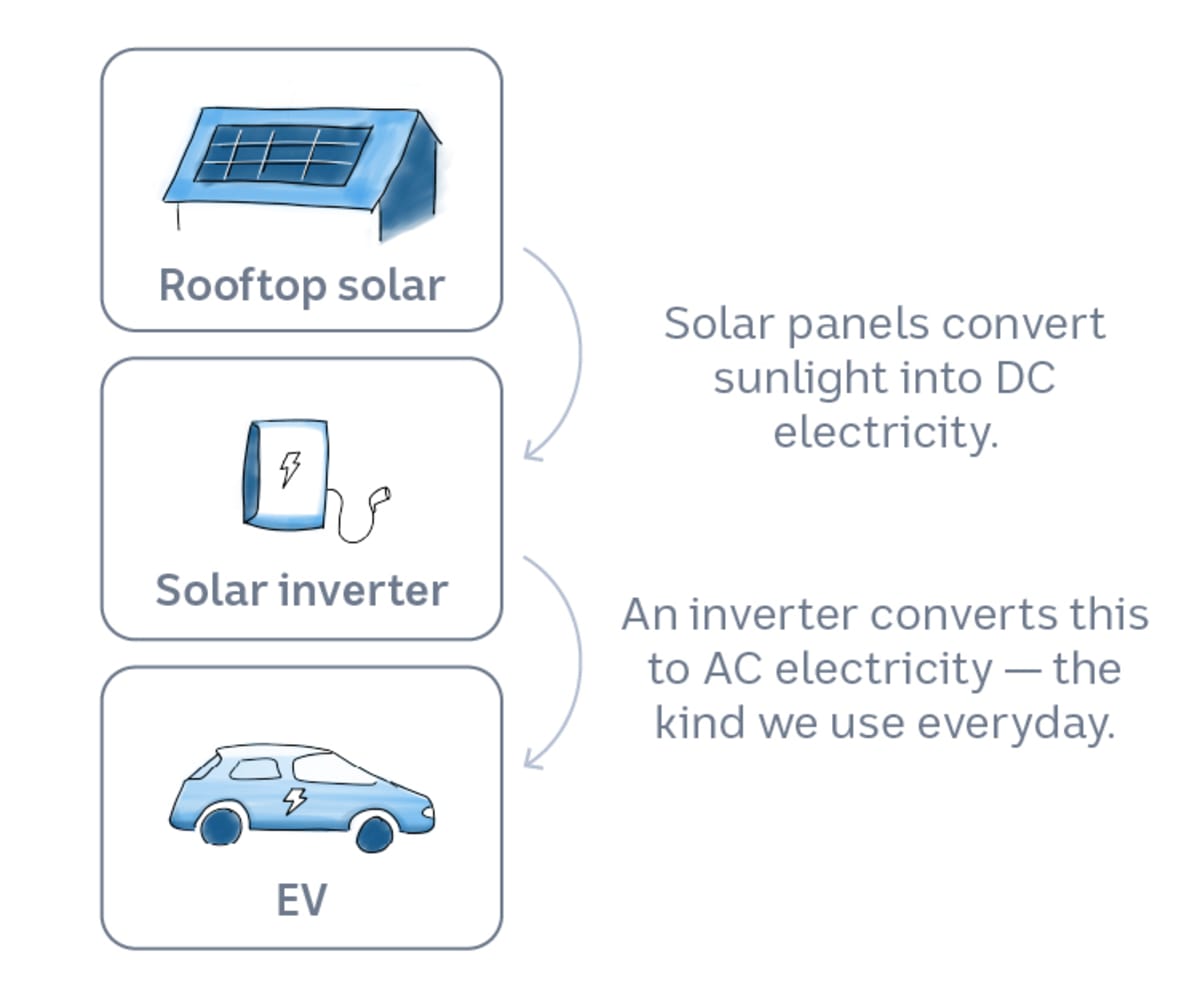
Electric vehicles change that equation entirely. Once on Australian roads, EVs run on locally produced electricity—often from rooftop solar that costs nothing after installation. According to consultancy Mandala Partners, Australia's current EV fleet has already extended the country's fuel reserves by 1.2 days, bringing total reserves to around 36 days.
Admiral Chris Barrie, former chief of the Defence Force, says reducing fossil fuel dependence should be a national priority. "In every way that we can, we should be reducing our dependence on fossil fuels, whether it's changing the transport system or introducing electric vehicles," he explained.
The potential for growth is enormous. Battery electric car sales in Australia doubled last February compared to the previous year. If Australia matched Norway's EV adoption rate of 95 percent, electric vehicles could add 11 extra days to fuel reserves—a 30 percent increase.
The Ripple Effect
EV owners also dodge price shocks entirely while the rest of the country feels the squeeze at the pump. This protection extends beyond individual wallets to entire economies.
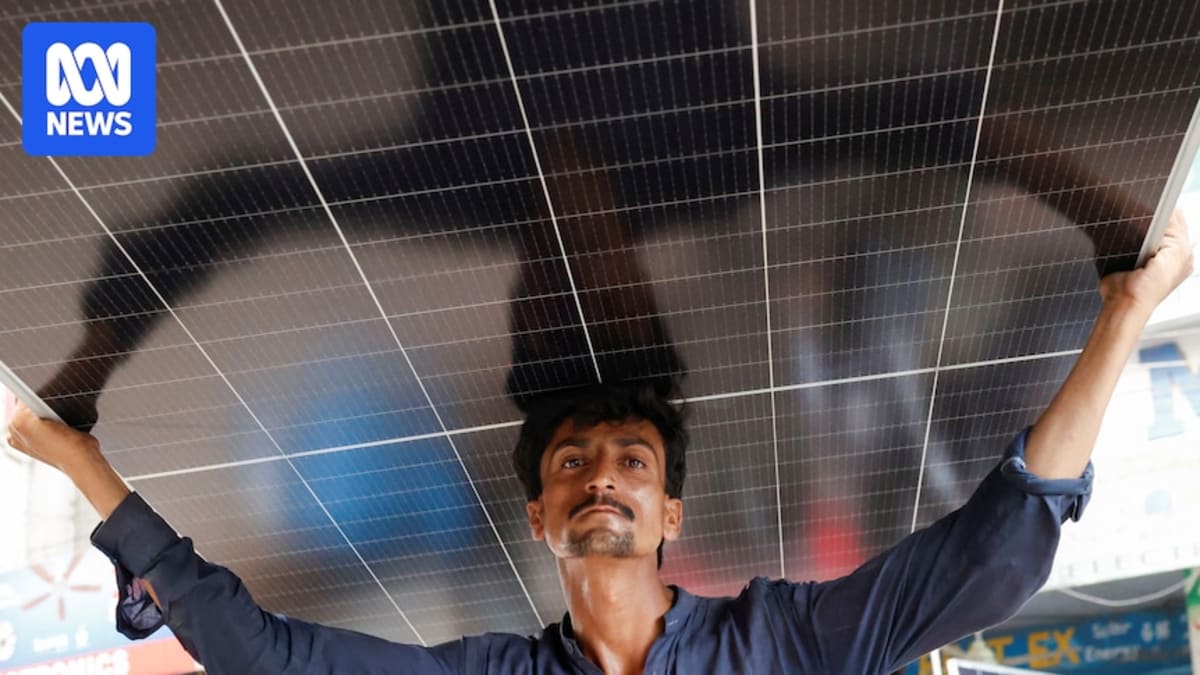
Wind and solar energy offer similar security advantages. Once installed, renewable systems run for decades without needing imported fuel. You can't blockade sunshine or sanction the wind.
According to energy think tank Ember, 80 percent of the world lives in countries that import fossil fuels, with over 50 nations importing more than half their primary energy. Clean technology is giving these countries an exit ramp from volatile global markets.
The quicker nations adopt renewables, the stronger their energy independence becomes—turning what was once a climate solution into a strategic advantage that protects both security and stability.
More Images

Based on reporting by Google News - Clean Energy
This story was written by BrightWire based on verified news reports.
Spread the positivity!
Share this good news with someone who needs it