
EVs Could Save Drivers $400 Yearly While Fixing Grid Issues
Smart charging technology is turning electric vehicles from a grid burden into a money-saving solution for everyone. New data shows drivers can pocket $400 annually while helping utilities delay costly upgrades for up to a decade.
Your electric car sitting in the garage could soon become the solution to one of America's biggest energy challenges.
As more Americans switch to electric vehicles, utilities worried the grid couldn't handle millions of cars charging simultaneously during peak evening hours. But new technology called "active managed charging" is flipping that problem into an opportunity that saves drivers money and helps everyone's electric bills stay lower.
Here's how it works. When you plug in your EV at 6 pm, it doesn't start charging right away. Instead, smart software waits until later at night when electricity is cheaper and the grid isn't strained. You simply tell an app when you need your car ready, and the system ensures it's fully charged by morning.
A new report from the Brattle Group analyzed real drivers in Washington state and found compelling results. Every participating EV owner saved up to $400 per year on charging costs. Their cars were still fully charged every single morning without fail.
The benefits extend far beyond individual savings. By spreading out when vehicles charge throughout the night instead of creating a 9 pm rush, utilities can delay expensive grid upgrades by up to a decade. Those infrastructure costs always get passed to all customers, so avoiding them keeps everyone's rates lower.
The typical American only drives 30 miles daily, requiring just two hours of charging. The system learns your patterns and coordinates with neighbors who leave for work at different times or need different charge levels. Everyone gets cheaper electricity rates without overwhelming the grid.
Active managed charging could allow the grid to handle twice as many EVs before upgrades become necessary. That matters as Americans also electrify heating, cooking, and other appliances beyond just vehicles.
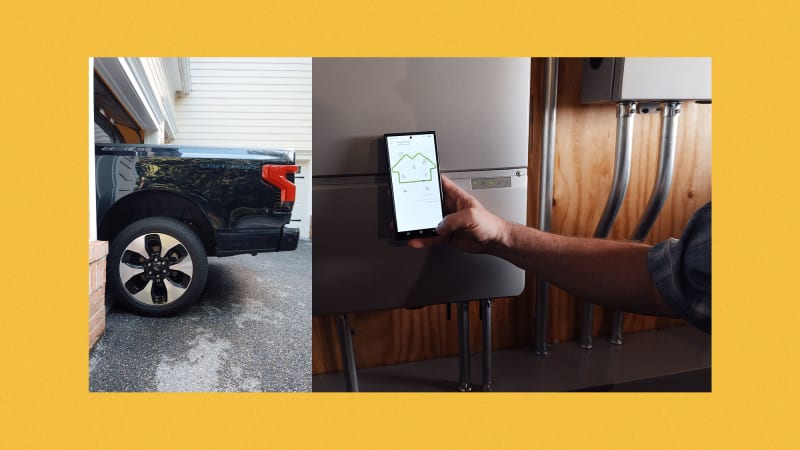
The technology gets even better when combined with vehicle-to-grid capabilities. Some EVs can send stored power back to the grid during peak demand or power your home directly. Think of school bus fleets with massive batteries sitting unused at night, ready to help stabilize the entire system.
The Ripple Effect
This innovation solves multiple challenges at once. Drivers save hundreds of dollars annually with zero inconvenience. Utilities manage growing demand without building expensive new infrastructure. All ratepayers benefit from stable electricity costs. And the easier it becomes to own an EV, the faster we transition away from fossil fuels.
As EV adoption accelerates, utilities across the country are launching similar programs. Early participants are proving the technology works reliably while delivering meaningful savings. The ballet of millions of vehicles charging and discharging in coordination might sound complex, but for drivers it's as simple as plugging in and letting the system handle the rest.
Your next car could help fix the grid while saving you money.
More Images



Based on reporting by Google News - Electric Vehicle
This story was written by BrightWire based on verified news reports.
Spread the positivity! 🌟
Share this good news with someone who needs it


