Ex-Google Leader Builds Deep Tech Path for African Innovators
Chukwuemeka Afigbo is solving Africa's innovation problem by creating the support systems brilliant engineers have been missing. His Africa Deep Tech Foundation just proved small investments can unlock massive talent.
The problem isn't that Africa lacks brilliant technologists. The problem is that those brilliant minds keep hitting dead ends.
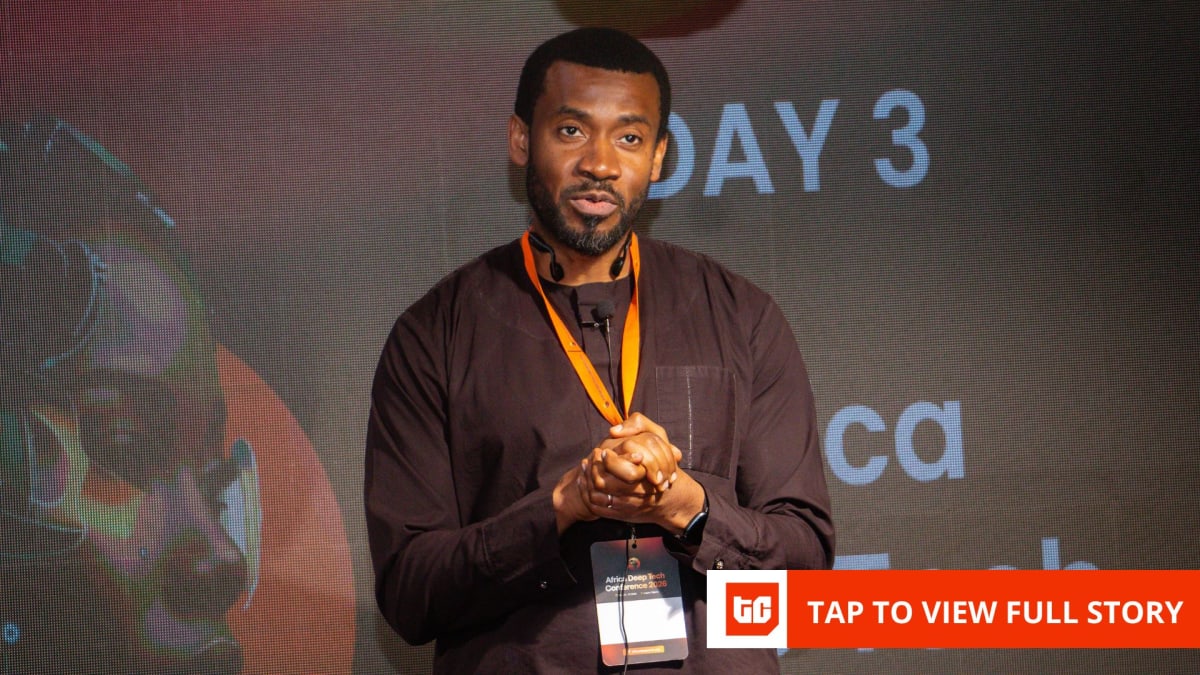
Chukwuemeka Afigbo spent years at Google and Meta watching talented African engineers struggle not with ideas, but with infrastructure. He saw the pattern everywhere: someone learns to code on a mobile phone, spends 50 hours mastering complex tools on YouTube, then abandons their breakthrough idea for a stable banking job because they can't afford to keep going.
So Afigbo built what was missing. For three years, he quietly assembled the Africa Deep Tech Foundation, a network of 180 builders, researchers, and investors across the continent united by one goal: advancing AI and scientific innovation in Africa.
The Foundation focuses on deep tech, the kind of innovation requiring fundamental scientific research and complex engineering, not just apps. It's the difference between building another fintech platform and developing semiconductor chips or advanced robotics.
The group stayed private until recently, operating as what Afigbo calls a "brain trust." Then in February 2026, they held their first public conference in Lagos and launched an Innovation Challenge that drew over 2,000 participants from 14 countries.
The results surprised even optimists. They received 350 serious submissions, selected 16 semifinalists for mentorship, and awarded $20,000 in prizes to four winners.
That prize money sounds modest, but Afigbo argues Africa's deep tech gap isn't always about billions. It's about survival capital at the critical moment between prototype and validation, when most builders run out of runway and take corporate jobs instead.
The numbers back up the urgency. Artificial intelligence could add $1 trillion to Africa's GDP by 2035, according to TechCabal data. Yet only 5% of African AI practitioners have access to the high-performance computing hardware serious research requires.
Nigeria alone sends 3.5 million young people into the workforce annually, but only 11% have advanced digital skills. The talent exists, but the pathways from technical expertise to viable companies remain weak.
The Ripple Effect
Afigbo's thesis is beautifully simple: in any population, about 7% are unusually motivated toward innovation. In places with strong support systems like Silicon Valley, those people become founders and inventors. In Africa, without those systems, they become solid mid-level developers at banks.
The Foundation acts as that missing system. Even when funding is scarce, community can extend a builder's runway by six months or a year, just long enough for mentorship, serendipity, or small capital to intervene.
The approach reflects Afigbo's Silicon Valley experience, where ecosystems amplify unconventional ideas rather than question them. He helped scale Google Launchpad Africa and expand Google Developer Groups across the continent, always focusing on Africa's specific realities.
Now the Foundation connects engineers with scientists, founders with regulators, and early-stage builders with the accountability and mentorship that turns prototypes into products. About 30 to 40% of core members come from the African diaspora, and Afigbo wants that number to grow.
The shift is already happening. Across the continent, necessity is driving innovation in semiconductors, advanced materials, and biotech. The builders are ready. The pathways are finally forming.
Based on reporting by TechCabal
This story was written by BrightWire based on verified news reports.
Spread the positivity!
Share this good news with someone who needs it