Exoskeleton Finally Feels Natural, Not Robotic
For years, wearable exoskeletons have had enough power but terrible timing, making users feel like jerky robots. Hypershell's new X Series just changed that with AI that actually syncs with how humans naturally move.
Walking with a robot strapped to your legs usually feels like being a puppet on strings, but the newest generation of consumer exoskeletons is finally learning to move like we do.
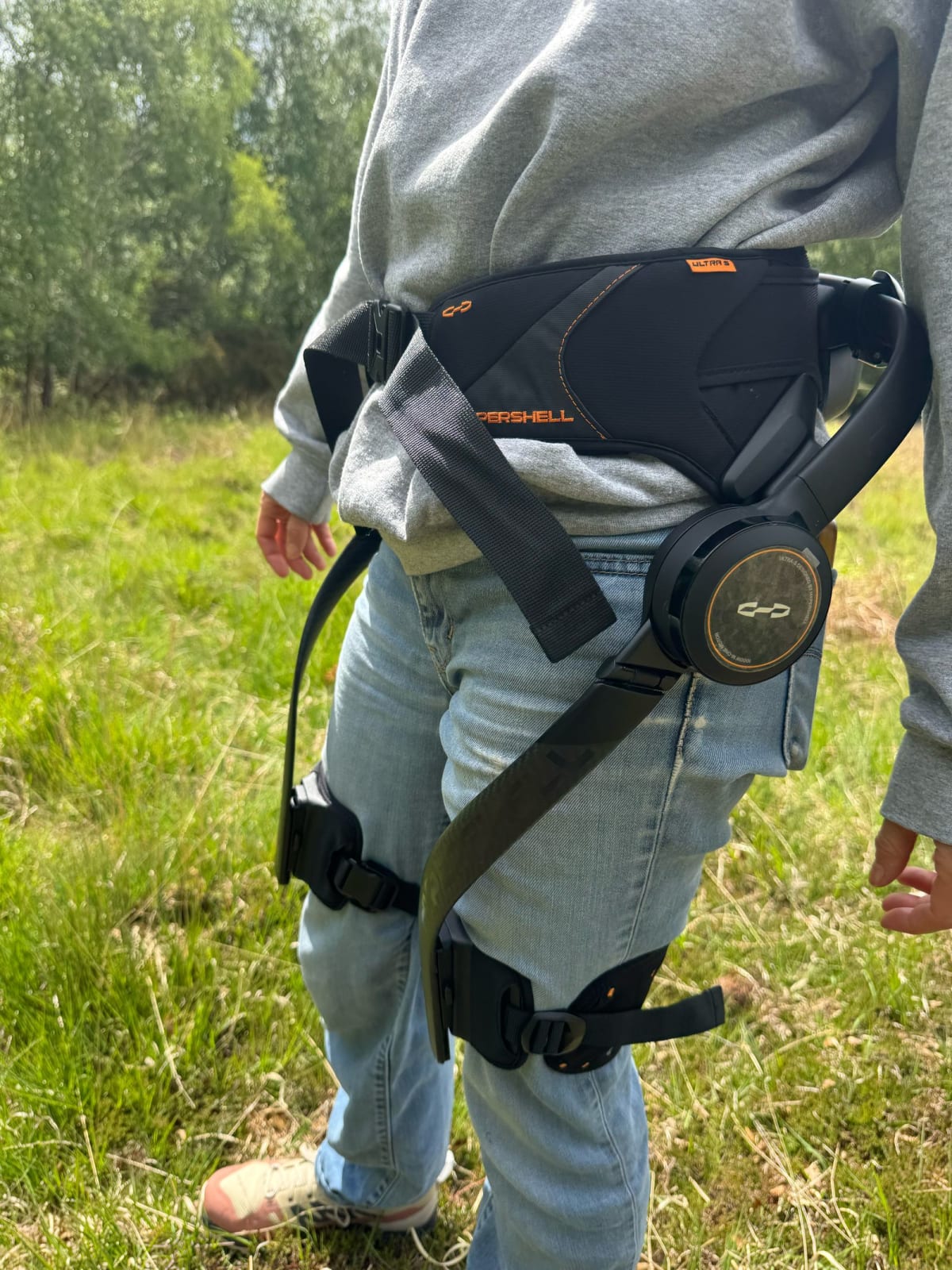
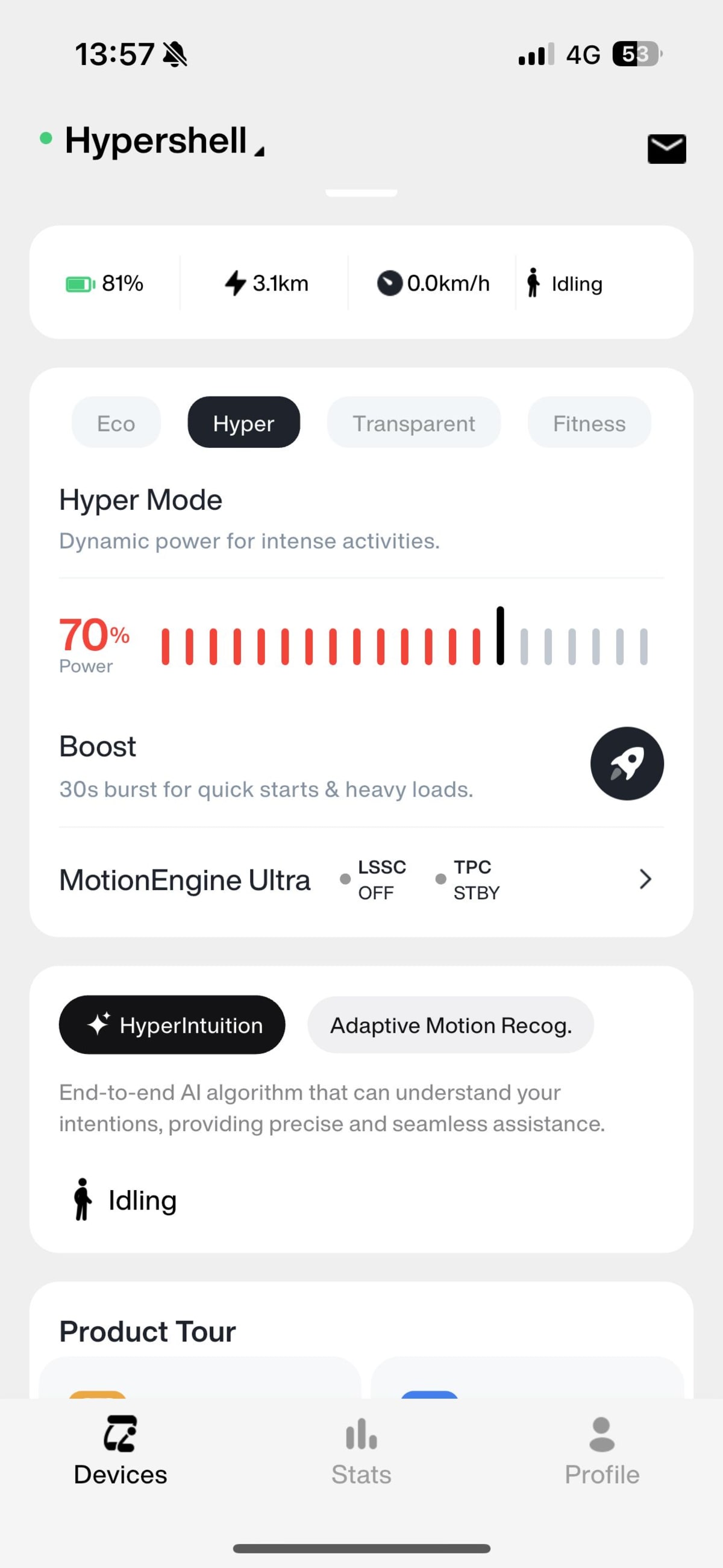
Hypershell just launched three new exoskeleton models that solve the biggest problem plaguing wearable robotics: awkward, unnatural movement. Their X Series replaces old systems that simply added power when you walked with AI software called HyperIntuition that processes your movement continuously and adjusts support in real time.
The flagship X Ultra S costs $1,999 and weighs just 5.5 pounds. Made from carbon fiber and titanium, it delivers up to 1,000 watts of power and can assist you for about 18 miles on a single charge, with 12 different modes for everything from stairs to sand dunes.
What makes this different from earlier attempts is timing. Previous exoskeletons only recognized repeatable walking patterns, so they'd jerk your legs around if you slowed down, sped up, or stopped to wait for someone. Real life doesn't work that way.
The new system responds in just 0.31 seconds and adapts when you naturally shift your pace. When you amble slowly, it backs off. When you stride purposefully, it ramps up assistance smoothly.
Testing confirmed the difference is genuine. Unlike older models that made every step feel robotic, the X Ultra S delivers power progressively as you find your rhythm. Stopping and starting feels natural, and the system notices immediately when you're just standing around rather than trying to power walk.
The Bright Side: Two cheaper models share the same AI breakthrough. The X Pro S costs $999 and the X Max S runs $1,499, making smarter exoskeleton technology accessible at multiple price points. All three models launched today and replace Hypershell's entire previous lineup.
The system isn't perfect yet. You'll never forget you're wearing 5.5 pounds on your hips, your front pockets become useless, and backpacks sit awkwardly on the battery pack. The single-button controls are confusing enough that you might accidentally trigger power boosts or shut the whole thing off.
But for the first time, an exoskeleton feels less like fighting a machine and more like getting a helpful push from behind. That's the breakthrough that could finally move wearable robotics from expensive curiosity to practical tool.
Nineteen companies showed exoskeletons at CES 2025, proving the industry has momentum. Now at least one has cracked the code on making them feel human.
More Images

Based on reporting by Wired
This story was written by BrightWire based on verified news reports.
Spread the positivity!
Share this good news with someone who needs it