Expert: Anxiety Is Trying to Help You, Not Harm You
A leading psychoanalyst is flipping the script on anxiety management with a surprising message: stop fighting it and start working with it. His body-first approach challenges everything you've heard on social media about "fixing" your anxious brain.
What if the key to managing anxiety isn't eliminating it, but becoming its friend?
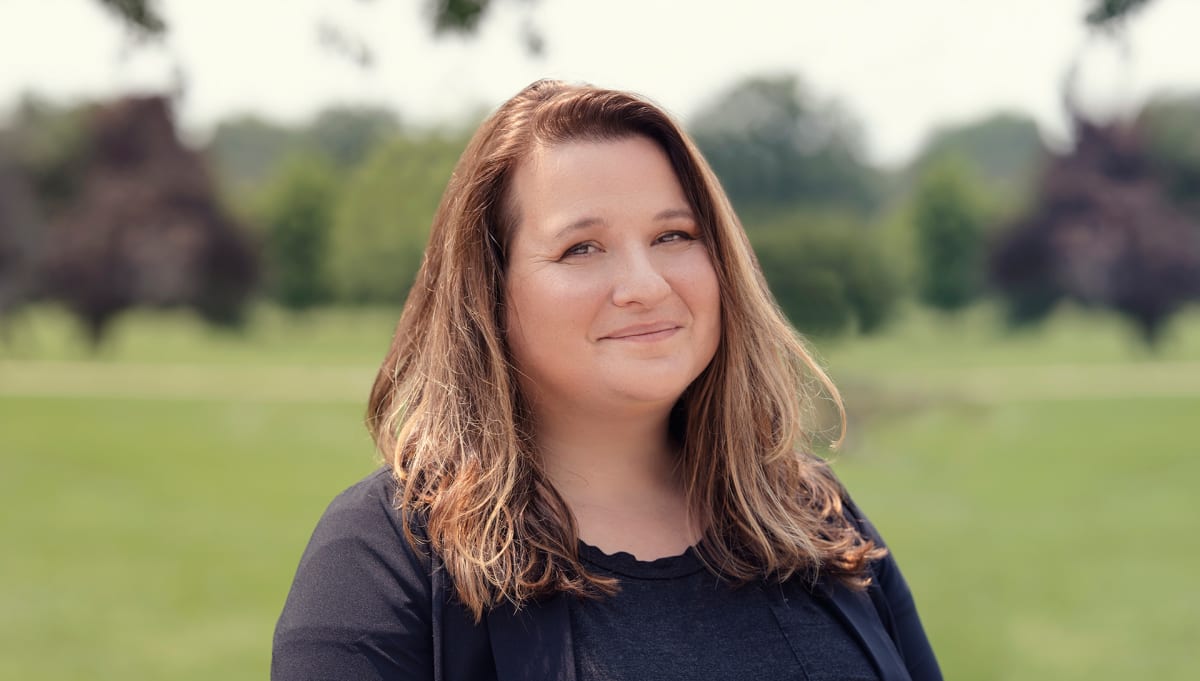
Owen O'Kane, a cognitive psychoanalyst and former NHS mental health lead, brings a refreshingly different take to anxiety management. Instead of promising quick fixes to "turn off" anxious thoughts, he argues we need to completely rethink our relationship with this uncomfortable feeling.
O'Kane's first piece of advice sounds counterintuitive: embrace your anxiety. "Anyone who promises you tools to get rid of anxiety is lying to you," he explains. Anxiety exists as a protective mechanism, like an overprotective friend trying to keep you safe from potential embarrassment or harm.
When you're worried about messing up a presentation, your anxiety is genuinely trying to help by offering an escape route. The problem isn't the anxiety itself but treating it like an enemy, which only makes it stronger.
His second recommendation challenges the brain-focused advice flooding social media. Start with your body, not your mind. Most people feel anxiety physically in their heart, shoulders, or neck, and that bodily alarm sends distress signals to the brain.
By regulating your body first through breathing, exercise, or even ice baths, you can switch off the threat response. This allows your prefrontal cortex, the rational part of your brain, to come back online so you can work with anxiety more calmly.
Why This Inspires
O'Kane's approach offers something rare in mental health advice: permission to be imperfect. His third strategy involves tracking anxious predictions to see how many actually come true. This evidence-gathering helps build tolerance for uncertainty, which he defines as the core of anxiety itself.
The reality check often surprises people. Those catastrophic thoughts rarely materialize, but anxiety sufferers struggle with even small percentages of unpredictability. O'Kane's response is compassionate but firm: the world is uncertain, and learning to surrender that need for control is the only sustainable path forward.
Each time you change how you react to anxiety, you're creating new neural pathways that help you live more comfortably alongside it. It's not easy work, but O'Kane believes it's the only honest approach that creates lasting change rather than temporary relief.
His message offers hope not through promising an anxiety-free life, but through teaching people they already have everything they need to manage it well.
More Images


Based on reporting by New Scientist
This story was written by BrightWire based on verified news reports.
Spread the positivity!
Share this good news with someone who needs it