Extinct' Snail Saved as Zoo Releases 100,000 Into Wild
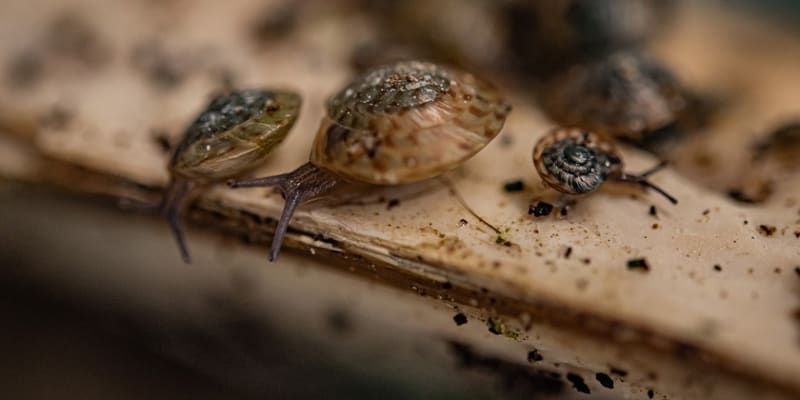
A button-sized snail once thought lost forever has been officially saved from extinction after conservationists bred and released over 100,000 into the wild. The greater Bermuda snail's rescue marks one of conservation's biggest success stories.
A snail species believed extinct has been brought back from the brink in what experts are calling a once-in-a-career conservation victory.
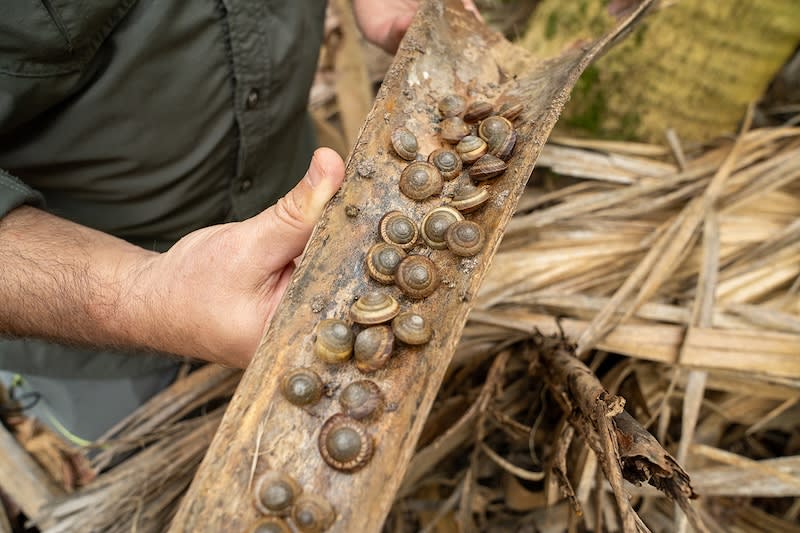
The greater Bermuda snail was thought to be lost forever until a small group was discovered surviving in an alleyway in Hamilton, Bermuda's capital, a decade ago. From that tiny population of fewer than 200 snails, an international team has now bred and released more than 100,000 back into the wild.
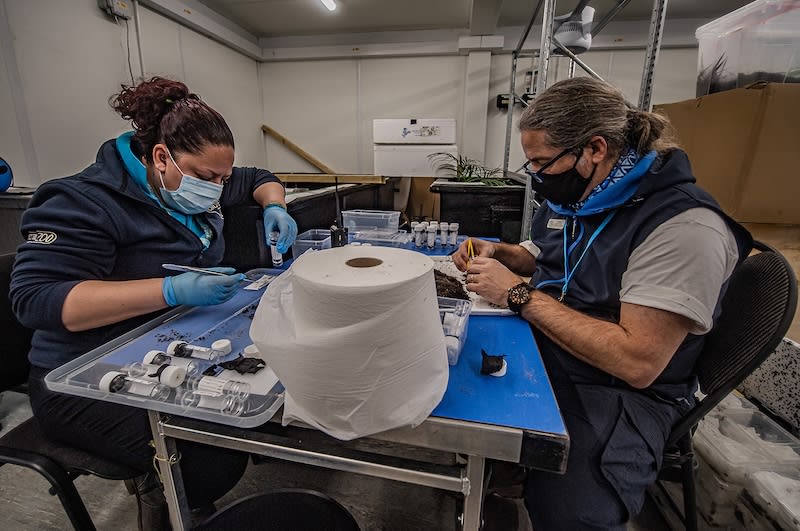
Chester Zoo led the breeding effort alongside the Bermuda government and Canadian conservation researchers. Scientists carefully bred thousands of the button-sized snails in specially designed pods before releasing them into protected woodland habitats across the island.
"It's every conservationist's dream to help save a whole species, and that's exactly what we've done," said Tamas Papp, Invertebrates Assistant Team Manager at Chester Zoo. "This is one of the biggest success stories in conservation."
Six thriving colonies have now established themselves across Bermuda, confirmed by a scientific assessment published in Oryx, The International Journal of Conservation. The announcement came on Reverse the Red Day, which marks the global movement to undo biodiversity loss.
The snails nearly disappeared due to habitat loss, climate change, and invasive predators like wolf snails and carnivorous flatworms that ate the much smaller native species. Their loss had ripple effects throughout Bermuda's ecosystem, where they play a vital role in breaking down vegetation and serving as prey for larger animals.
The Ripple Effect
The return of these tiny snails matters far beyond their size. As consumers of live and decaying vegetation, they're essential for nutrient cycling in their habitat and support the broader food web.
Conservationists planned the reintroduction like a strategic operation, selecting and monitoring areas carefully. Expanding populations were tracked with flags on a map as colonies grew and spread.
The team created the first conservation breeding guide for the species, documenting exactly what conditions helped them multiply. That knowledge proved crucial as they figured out how to boost numbers from near zero to sustainable populations.
"It is very rare for a team to be able to announce that, having brought animals into human care and released them, their work is done," said Dr. Gerardo Garcia, Animal & Plant Director at Chester Zoo.
Snails are among the least researched but most vulnerable animals on the planet. This success story shows what's possible when scientists, zoos, and governments work together across borders.
The Chester Zoo team can now focus their efforts on saving a second rare species, the lesser Bermuda land snail, using the expertise they gained from this project.
More Images
Based on reporting by Google News - Species Saved
This story was written by BrightWire based on verified news reports.
Spread the positivity!
Share this good news with someone who needs it