Extinct Species Return to Australian Outback After 100 Years
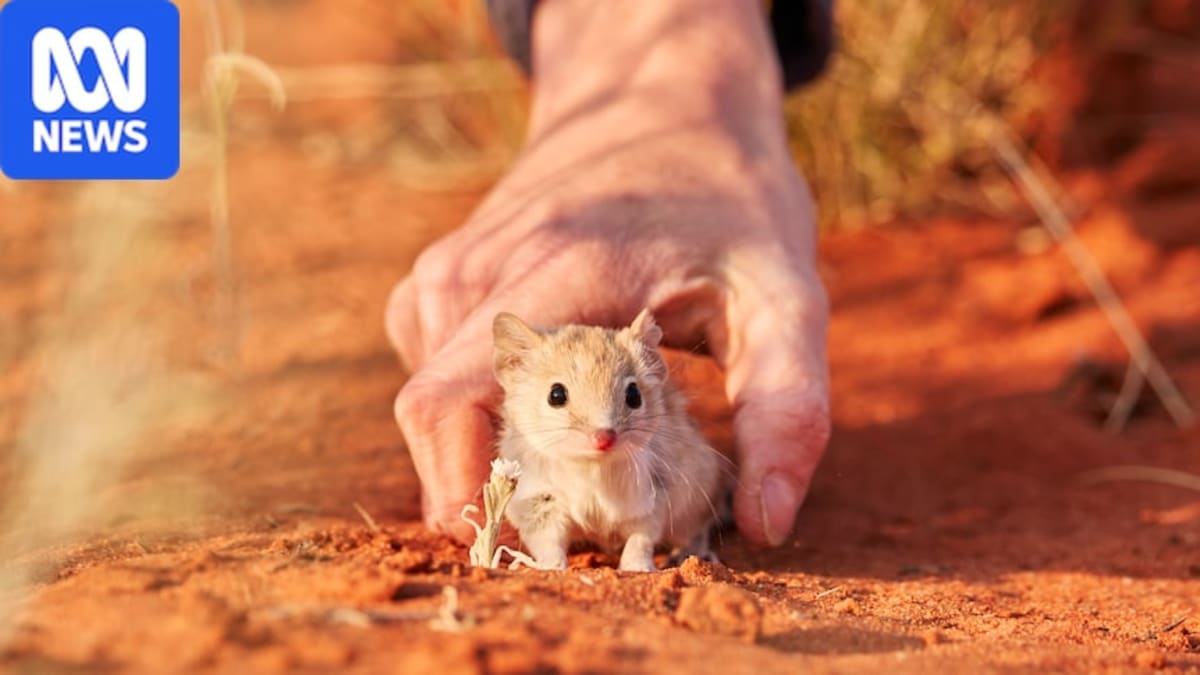
Seven native species wiped out by feral predators are thriving again in outback New South Wales, bringing life back to the desert. After a decade of work, bilbies, bandicoots, and bettongs are breeding freely for the first time in a century.
For more than 100 years, bilbies and burrowing bettongs were ghosts in the Australian outback. Now they're digging, breeding, and reshaping the desert landscape they once called home.
The Wild Deserts project started in 2016 with an ambitious goal: bring back seven locally extinct species to Sturt National Park in northwest New South Wales. Feral cats, foxes, and rabbits had driven these creatures to extinction across most of Australia's mainland.
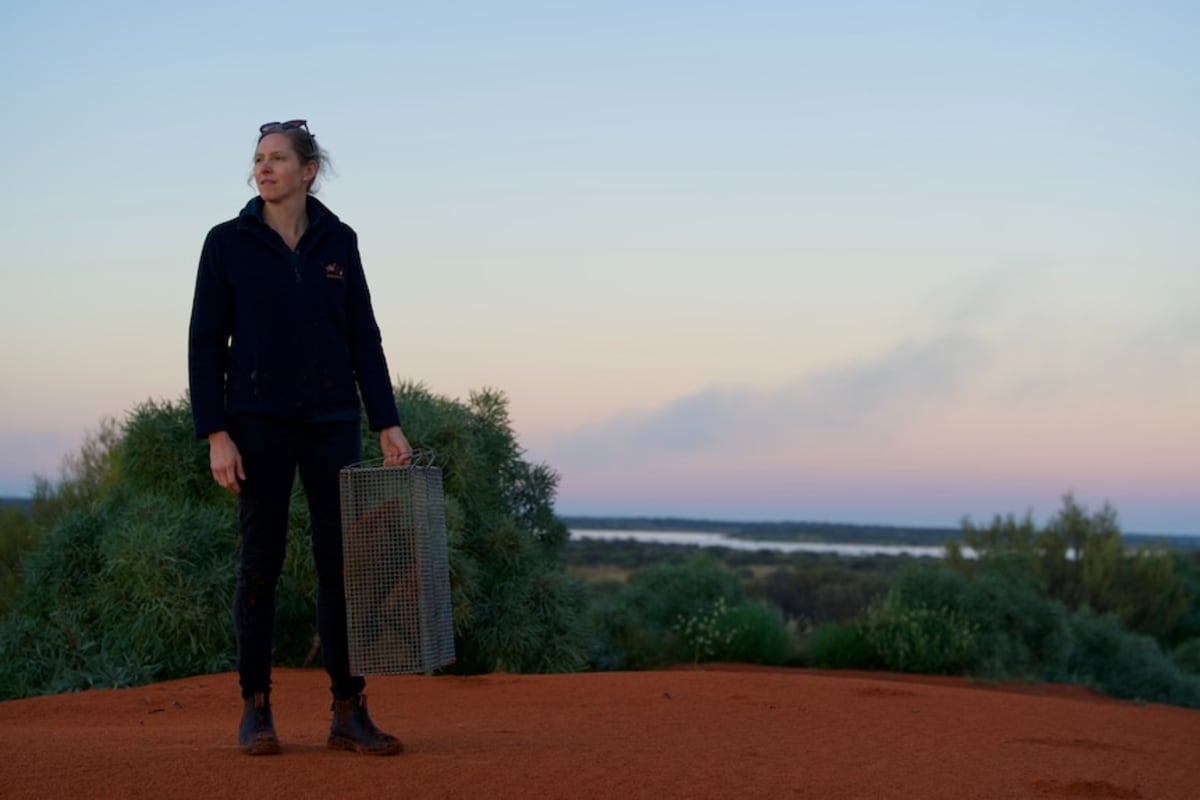
But a young couple of conservation scientists, Bec West and Reece Pedler, saw a chance to reverse that loss. They moved to the remote Fort Grey station in 2017 to lead the ground effort.
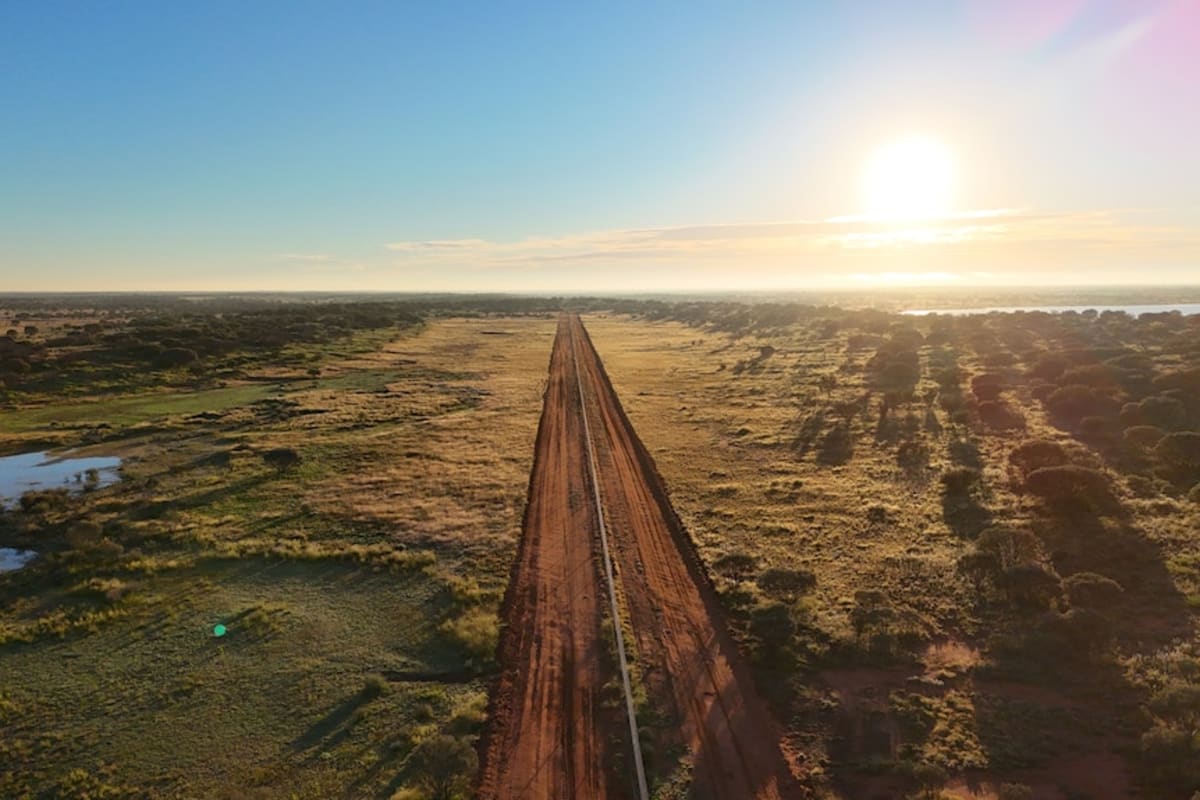
The first challenge was massive: build 50 kilometers of fencing to create two protected zones covering 2,000 hectares each. Then came the painstaking work of removing every predator inside.
Reece and his team mapped about 1,000 rabbit warrens on foot with a conservation detector dog before the fence was even finished. By early 2019, they declared the zones feral-free and celebrated with cake.
The first bilbies and crest-tailed mulgaras arrived in 2020. Then came Shark Bay bandicoots, golden bandicoots, burrowing bettongs, and western quolls, a rabbit-sized native predator that keeps the ecosystem balanced.
Today, more than 400 bilbies live inside the park. Six of the seven species have successfully established breeding populations.
The Ripple Effect
These animals aren't just surviving. They're healing the land itself.
Most of these species are "ecosystem engineers" that constantly dig and burrow while searching for food. All that turned soil creates perfect conditions for plant growth, transforming barren stretches into thriving habitat.
The project goes beyond typical wildlife sanctuaries by preparing animals for life outside the fences. A 100-square-kilometer "wild training zone" surrounds the protected areas, containing a low density of feral cats.
Animals released there must learn survival skills their ancestors never needed. "They didn't evolve with cats and cats have different hunting strategies," Bec explains.
The team tracks each released animal with radio collars, teaching them to listen while feeding and watch for danger. It's about building instincts from scratch.
Principal ecologist Richard Kingsford notes this approach is nearly unique. "There are only two places I'm aware of doing this work to expose native animals to feral predators and train them," says Reece.
The stakes are high: feral cats kill more than a billion Australian native animals every year, giving the country the worst extinction record in the world. But at Sturt National Park, those natives are learning to fight back, one generation at a time.
More Images


Based on reporting by ABC Australia
This story was written by BrightWire based on verified news reports.
Spread the positivity!
Share this good news with someone who needs it