Extinct 'Tree Lobster' Insect Found Thriving in New Spots
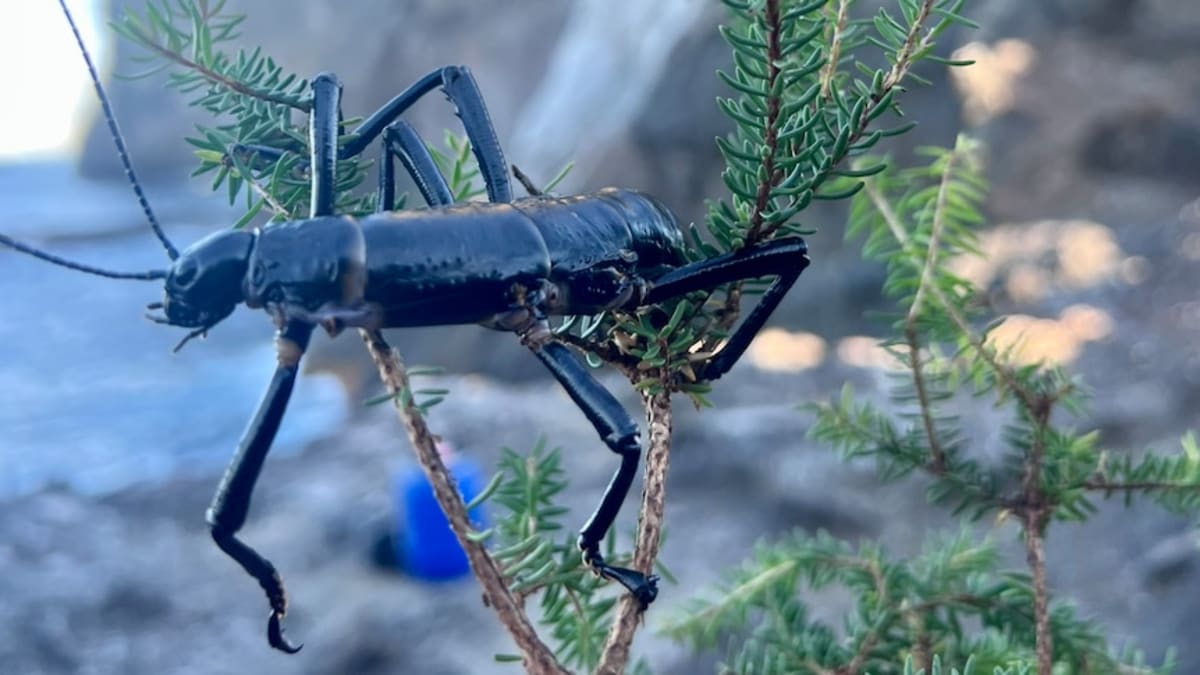
Scientists discovered two new colonies of the Lord Howe Island stick insect on a remote volcanic outcrop, 25 years after the species was rediscovered. Once so common they were used as fishing bait, these rare insects are bouncing back thanks to a global breeding program.
A giant stick insect once declared extinct is staging an incredible comeback on a remote Pacific rock tower.
Scientists just found two new colonies of the Lord Howe Island stick insect on Ball's Pyramid, a towering volcanic outcrop rising 572 meters from the ocean. The discovery marks a major win for one of the world's rarest creatures, nicknamed "tree lobster" for its chunky appearance.
The insects were once so abundant on Lord Howe Island that fishermen used them as bait. Then disaster struck in 1918 when rats escaped a shipwrecked vessel and colonized the island. Within 15 years, the stick insects vanished completely.
For 83 years, everyone assumed they were gone forever. Then in 2001, climbers spotted them clinging to life on Ball's Pyramid, a nearly vertical rock spire 20 kilometers from the main island. The population was heartbreakingly small, with estimates suggesting fewer than 50 individuals survived in the wild.
Now, NSW environment officers have discovered nine adult insects at two brand new locations during a recent survey. Seven were carefully collected to join a breeding program that's become a global conservation success story.
Melbourne Zoo has been breeding the insects since 2003, starting with just two individuals. Today, the program maintains between 700 and 800 insects, with partner zoos in San Diego, Bristol, Toronto, and most recently Prague joining the effort.
The Ripple Effect
The program shows what's possible when the world rallies around a species on the brink. Prague Zoo just announced it successfully hatched 13 Czech-bred stick insects in February, expanding the safety net for these remarkable creatures.
Rohan Cleave, the zoo's stick insect specialist, calls the new arrivals "vitally important" for genetic diversity. Starting a breeding program from just five wild-caught insects created serious challenges, so every new individual strengthens the entire population.
The timing couldn't be better. Lord Howe Island authorities are now surveying residents about reintroducing the insects to a remote corner of the island's national park. The stick insect hasn't been seen there in anyone's living memory, but plans are moving forward to bring them home.
Australia loses an estimated one to three invertebrate species every week to extinction. This stick insect is bucking that devastating trend, thanks to determined scientists, international cooperation, and one remarkably resilient bug that refused to disappear.
The "tree lobsters" are coming back, one generation at a time.
More Images


Based on reporting by ABC Australia
This story was written by BrightWire based on verified news reports.
Spread the positivity!
Share this good news with someone who needs it