Eye Drops Could Replace Painful Injections for Kids' Cancer
Scientists developed painless eye drops that could deliver chemotherapy to children with a rare eye cancer, eliminating the need for injections that can damage vision. The breakthrough uses pig-derived molecules that naturally penetrate barriers.
Imagine treating a toddler's eye cancer with simple drops instead of painful injections that risk vision damage. That future just got closer thanks to an unexpected source: pig biology.
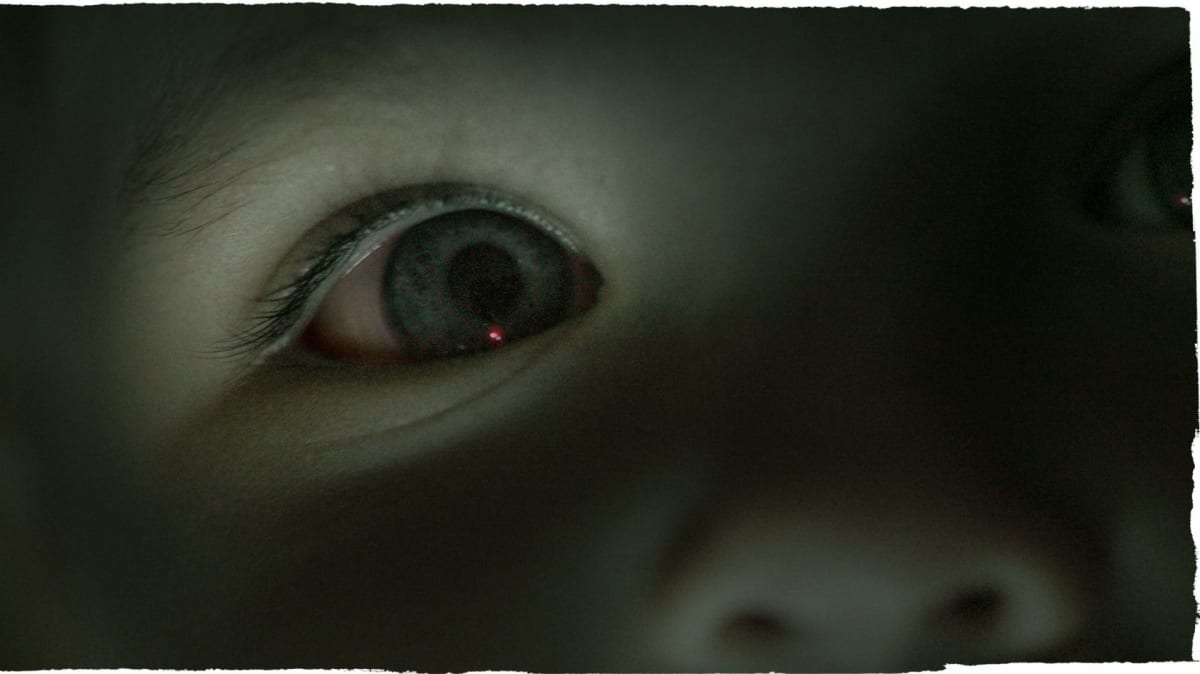
Researchers at Shenyang Pharmaceutical University in China created eye drops that successfully delivered cancer treatment to the back of the eye in mice. The innovation targets retinoblastoma, a rare cancer affecting 1 in 18,000 children, mostly under age five.
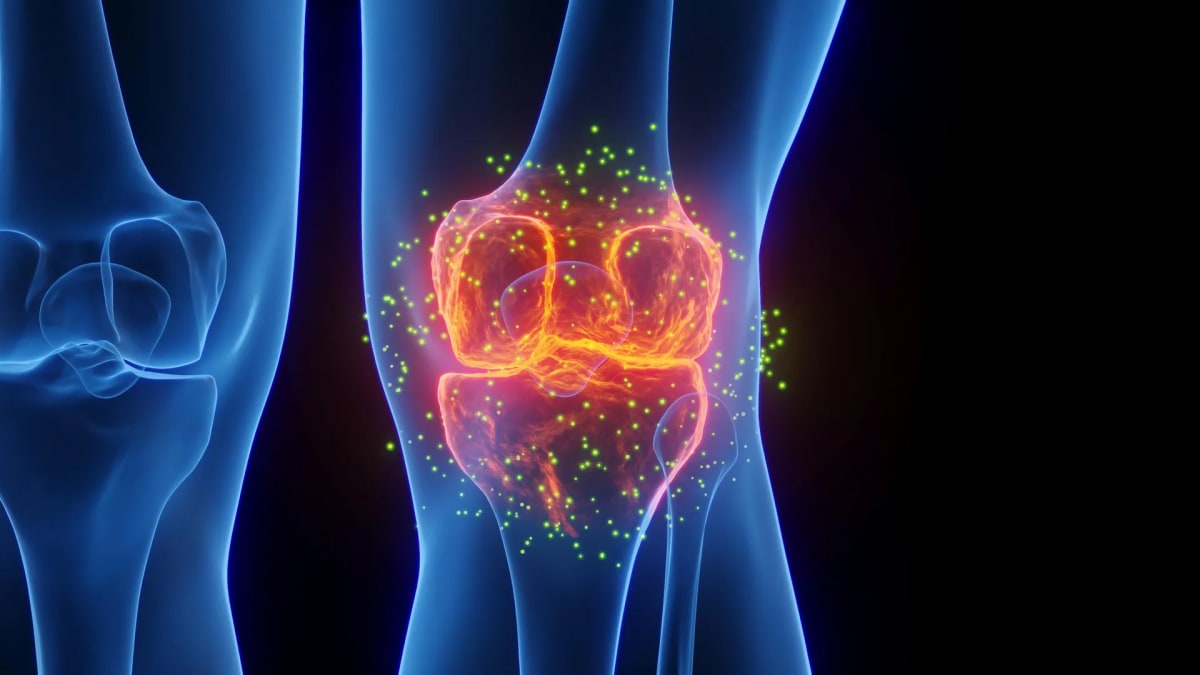
The challenge has always been delivery. Retinoblastoma tumors grow at the very back of the eye, and getting medicine there typically requires injections through the cornea or eyeball. These shots are not only painful for young patients but can damage delicate eye structures.
The research team found inspiration in an unusual place: sperm cells. These cells excel at penetrating biological barriers, so the scientists wondered if molecules from semen could help medicines cross the eye's protective layers too.
They turned to pigs because pig tissue is already widely used in medical research and considered safe for humans. The team extracted tiny fat bubbles called exosomes from pig semen, which naturally carry proteins that help penetrate barriers.
When tested on mice, the eye drops worked remarkably well. The exosomes ferried cancer-fighting carbon nanostructures directly to tumor cells at the back of the eye. After 30 days, tumors shrank to just 2 to 3 percent of their original size in untreated mice.
The drops were designed to target only cancer cells, not healthy tissue. They activated in the presence of hydrogen peroxide, which cancer cells produce in large amounts as they grow and spread.
The Ripple Effect
Beyond retinoblastoma, this delivery method could transform treatment for other eye conditions. Lead researcher Yu Zhang believes the same approach could help patients with macular degeneration and other diseases affecting the back of the eye.
Dr. Shiri Zayit-Soudry, an ophthalmologist at Tel Aviv University's Rabin Medical Center who wasn't involved in the study, called the technique "genuinely transformative." Other researchers noted that similar exosomes from stem cells might work equally well, opening even more possibilities.
For families facing childhood cancer, the difference between eye drops and injections isn't just about convenience. It's about sparing young children repeated painful procedures during an already difficult journey.
The research, published in Science Advances, still needs human trials before it can reach patients, but it offers genuine hope for gentler, safer cancer treatment that preserves both health and quality of life.
More Images

Based on reporting by Live Science
This story was written by BrightWire based on verified news reports.
Spread the positivity!
Share this good news with someone who needs it